
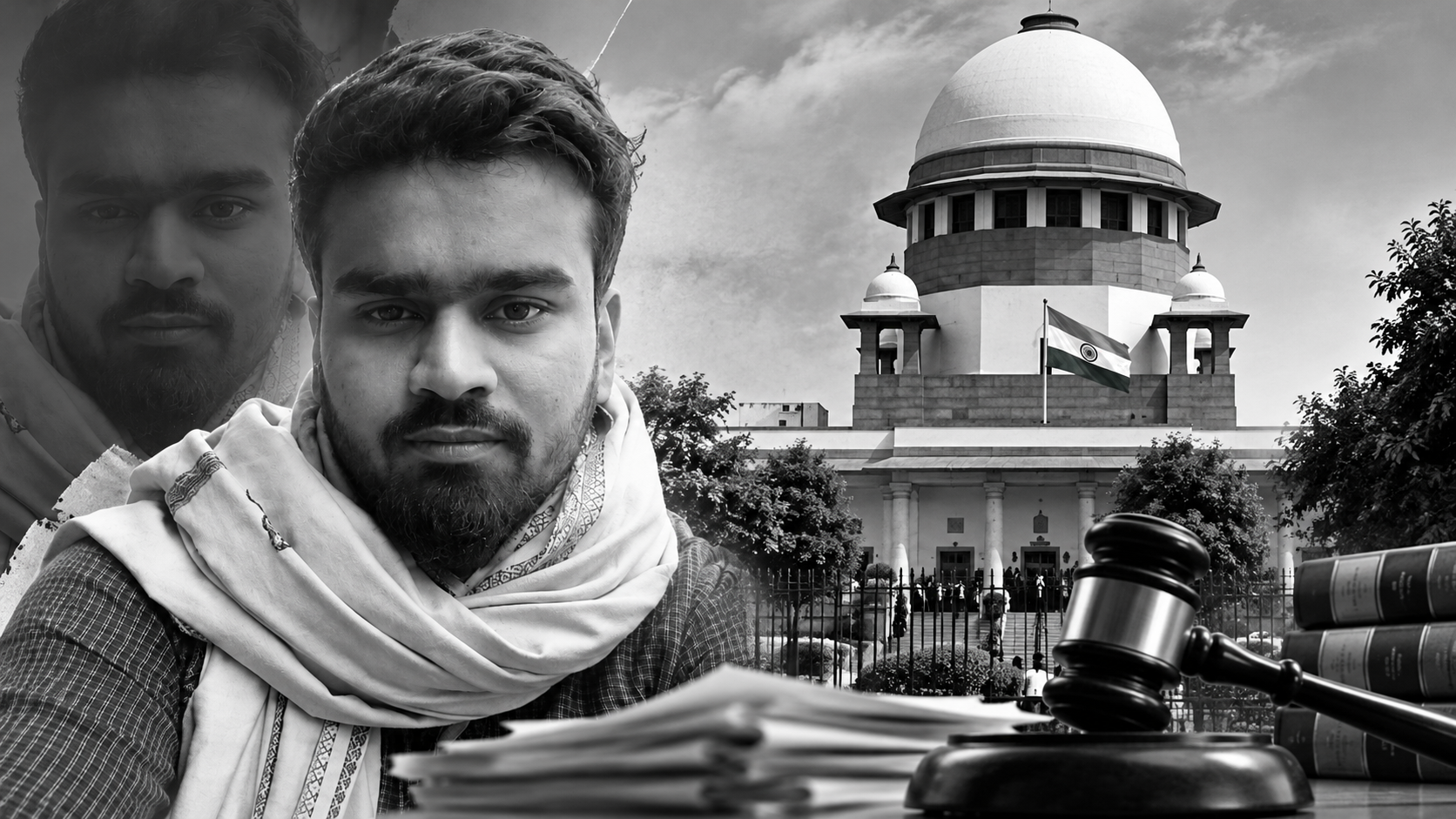
Delhi Riots Case: Supreme Court Adjourns Athar Khan’s Bail Plea for Four Weeks
The Supreme Court on Friday adjourned for four weeks the hearing on Athar Khan’s bail plea in the case concerning the alleged larger conspiracy behind the February 2020 northeast Delhi riots. The bench of Justices Aravind Kumar and Vipul M. Pancholi deferred the proceedings after Additional Solicitor General S. V. Raju informed the court that Delhi Police had filed its reply. The court allowed Athar Khan to submit a rejoinder before the matter is considered further.
Athar Khan is challenging a July 7, 2026, Delhi High Court judgment rejecting his bail plea under the Unlawful Activities (Prevention) Act (UAPA), 1967. The Supreme Court had earlier issued notice to Delhi Police on his appeal. The latest adjournment does not indicate whether the court will grant or reject bail.
Athar Khan, a former call centre employee, was arrested in July 2020 and accused of being one of the principal conspirators behind the riots. Delhi Police alleges that he helped organise protests at Chand Bagh, delivered inflammatory speeches, participated in secret meetings and coordinated the destruction of CCTV cameras. The prosecution has cited witness statements, WhatsApp communications and other material to support its allegations.
Athar Khan’s counsel has argued that he was a local-level facilitator rather than a principal conspirator, highlighting his six years in custody and the bail granted to similarly placed co-accused. However, the Delhi High Court rejected his appeal, upholding the trial court’s January 29, 2026, decision.
The High Court referred to a protected witness’s statement and WhatsApp messages, concluding that the material prima facie distinguished Athar Khan’s alleged role from those of accused persons who had secured bail. It held that the statutory requirements for bail under Section 43D(5) of the UAPA were not satisfied. These observations concern the bail proceedings and do not establish guilt.
The Supreme Court’s January 5, 2026, ruling granted bail to Gulfisha Fatima, Meeran Haider, Shifa-ur-Rehman, Mohammed Saleem Khan and Shadab Ahmed, while rejecting the pleas of Umar Khalid and Sharjeel Imam. The court assessed the accused individually, meaning Athar Khan cannot automatically claim bail based on the relief granted to others.
The case also intersects with the broader debate over prolonged detention under stringent anti-terror laws. In May 2026, the Supreme Court referred questions concerning UAPA bail restrictions, personal liberty and trial delays to a larger bench. Article 21 of the Constitution protects personal liberty, but prolonged incarceration alone does not guarantee bail.
The February 2020 riots, which erupted amid protests against the Citizenship (Amendment) Act and the proposed National Register of Citizens, left 53 people dead and more than 700 injured.
The Supreme Court’s next hearing will determine the subsequent course of Athar Khan’s bail appeal. The court could grant bail, reject the plea or seek further submissions. No exact hearing date has been confirmed, and the outcome remains uncertain.