
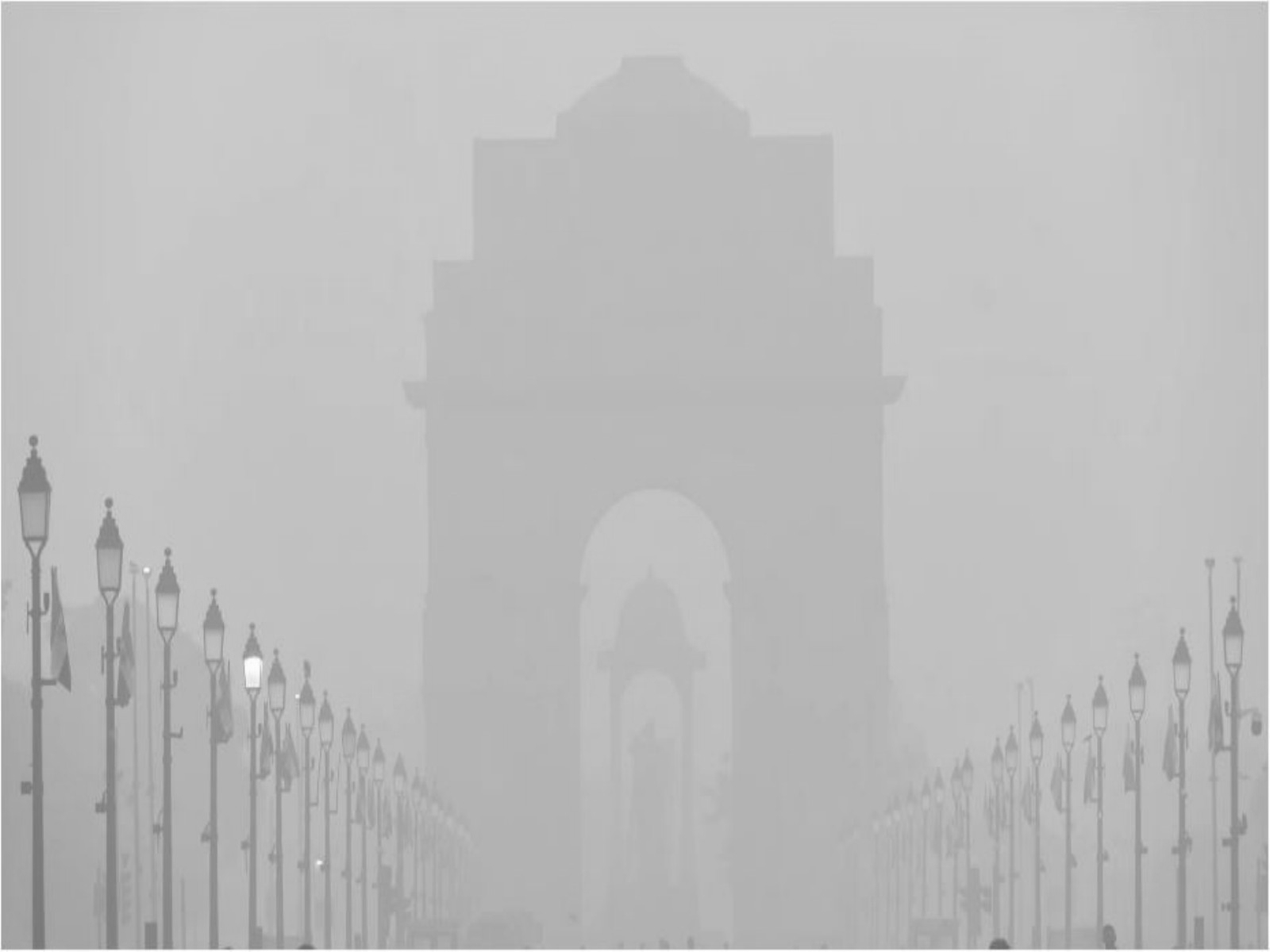
Delhi's Toxic Air Triggers Health Alarm As Doctors Warn Of Life-Threatening Risks
Delhi's deteriorating air quality following Diwali celebrations has triggered serious health concerns, with hospitals reporting an increase in respiratory complaints and medical experts warning of potentially life-threatening complications. Doctors have cautioned that prolonged exposure to toxic air is affecting not only people with existing health conditions but also otherwise healthy individuals, including young adults.
According to air quality reports, Delhi recorded an AQI of 370 on November 9, while several neighbourhoods crossed the 400 mark, entering the severe pollution category. The situation has worsened following firecracker emissions. AIIMS Professor of Pulmonary Medicine Dr Vijay Hadda said green crackers reduce emissions by only 30 per cent, while the remaining 70 per cent of gases and particulate matter emissions are comparable to conventional firecrackers.
Dr Hadda said even healthy people were experiencing throat irritation and respiratory discomfort. Another medical expert, Dr Vijay, reported that patients who had previously recovered were returning to hospital outpatient departments with recurring symptoms.
Apollo Hospitals Senior Consultant Dr S Chatterjee said people aged 20–50 years were also reporting breathing difficulties and other pollution-related symptoms. He warned that symptoms could develop within four to six hours of exposure and advised residents to avoid unnecessary outdoor activities and exercise.
Former AIIMS Director and pulmonologist Dr Randeep Guleria warned that extremely high pollution levels could become life-threatening for people with chronic respiratory and cardiac conditions. He predicted a 20–30 per cent increase in respiratory-related OPD and emergency visits and cautioned that some patients could require hospitalisation, ICU care or ventilator support.
Hospitals across Delhi-NCR are also witnessing increased patient numbers. Majeedia Hospital in South Delhi recorded 42 patients with breathing difficulties in its respiratory OPD on November 9, while healthcare workers estimate a 60–70 per cent rise in respiratory cases during severe pollution periods.
The crisis also highlights the wider mortality burden of air pollution. A recent FICCI-EY report estimated that more than two million deaths in India were attributable to air pollution in 2023. However, no confirmed death toll has been established specifically for the latest post-Diwali pollution episode in Delhi.
Doctors have advised residents to monitor AQI levels, wear properly fitted N95 masks outdoors, avoid outdoor exercise and seek medical attention if respiratory symptoms worsen. Children, elderly people and those with existing heart and lung conditions remain particularly vulnerable.