
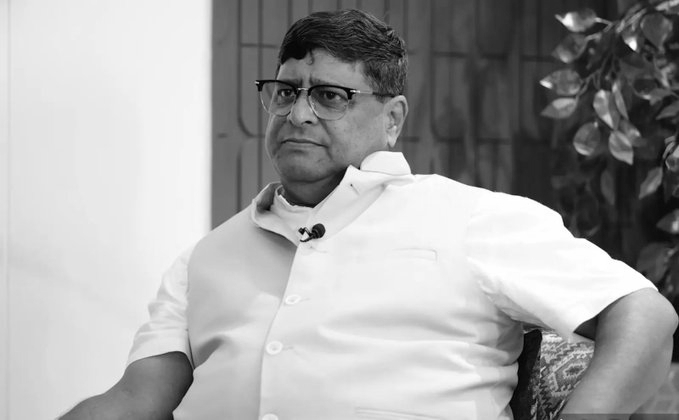
‘Deserved Bail Years Ago’: Ex-Judge Dhulia Questions Prolonged Jailing of Umar Khalid, Sharjeel Imam
Former Supreme Court judge Justice Aftab Alam Dhulia has voiced concern over the prolonged incarceration of Umar Khalid and Sharjeel Imam, saying the two accused in the 2020 Delhi riots larger conspiracy case should have been granted bail years ago. His remarks have reignited debate over prolonged pre-trial detention, judicial responsibility and the application of the stringent Unlawful Activities (Prevention) Act (UAPA).
Khalid and Imam have remained in custody since September 2020 in connection with the case, which relates to allegations of a larger conspiracy behind the February 2020 Delhi riots. Despite spending years behind bars, their trial has yet to conclude, raising questions about the consequences of prolonged detention before guilt is established.
Dhulia expressed his views during a discussion on the Constitution and the vision of the judiciary, in response to questions concerning judicial independence. His remarks have drawn attention to the tension between national security laws and the fundamental principle that an accused person is presumed innocent until proven guilty.
The UAPA imposes stringent conditions for granting bail, making it difficult for accused persons to secure release in cases involving allegations of terrorism or unlawful activities. Critics argue that when trials are delayed for years, detention itself can become a form of punishment, even before a court determines guilt.
Senior advocate Dushyant Dave has also criticised the continued incarceration of the accused, with the issue prompting wider debate over civil liberties, due process and the right to a speedy trial. Supporters of their release argue that prolonged custody without a completed trial raises serious concerns about the protection of constitutional rights.
The debate has also coincided with renewed discussions about judicial independence and institutional accountability. Senior advocate Kapil Sibal has separately expressed confidence in the Supreme Court's ability to protect citizens' rights, including the right to protest.
The continuing detention of Khalid and Imam has become a focal point in the larger debate over the balance between national security and personal liberty. Dhulia's remarks have brought that question back into sharp focus, particularly over whether the justice system can adequately safeguard individual freedoms when criminal proceedings remain unresolved for years.