
Did Netanyahu’s Talks With Trump Lead To Iran’s Latest Attack On US Forces?
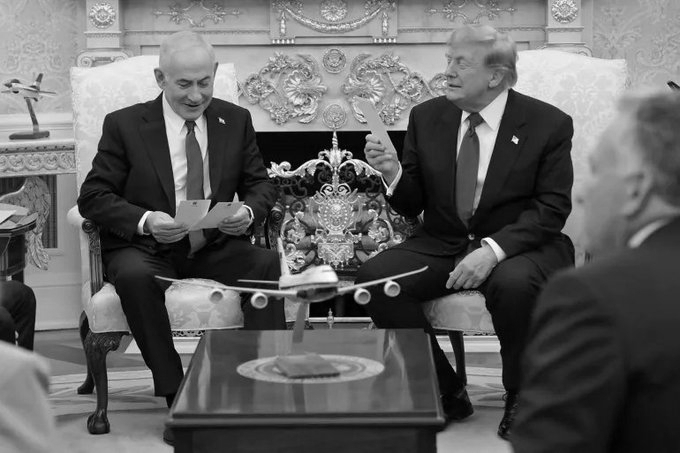
Iran’s Islamic Revolutionary Guard Corps (IRGC) has opened a new chapter in the growing US Iran conflict by launching ballistic missiles at US positions in West Asia, according to the US military. The attack came after days of relative calm and shortly after US President Donald Trump met Israeli Prime Minister Benjamin Netanyahu at the White House.
The US Central Command (CENTCOM) said the IRGC launched the missiles in what it described as a surprise attack targeting American forces in the Gulf region. The US military said it intercepted all incoming missiles, including five that were destroyed over Jordan.
The IRGC later claimed responsibility for the strikes, saying it targeted US military facilities in the region. The reported targets included the Muwaffaq Salti Air Base in Jordan, a key facility used by American forces, along with other military positions.
The timing of the attack has raised questions because it followed Trump’s meeting with Netanyahu, who has been pushing Washington to maintain pressure on Tehran over Iran’s military activities and regional influence.
Analysts say Iran’s missile response was aimed at sending a message to several sides. To the US and its allies, Tehran wanted to show that it still has the ability to respond. Inside Iran, the leadership wanted to show supporters and hardliners that it was not simply taking attacks without retaliation.
The crisis has now expanded with Saudi Arabia becoming more involved. Riyadh accused Iran of worsening regional tensions after Saudi Arabia joined the United States in strikes against Iran backed militias in Iraq.
The US Department of Defense said the operation targeted military sites linked to Iran backed groups in eastern Syria and Iraq. Washington said the strikes were carried out after more than 30 rocket attacks on US forces by these groups.
The US military said the strikes hit locations across Iraqi provinces, including Baghdad, Nineveh, and Basra, and were carried out with coordination from Iraqi authorities. Saudi Arabia said the action followed drone attacks targeting US troops and Saudi oil facilities.
The developments have also increased concerns around the Strait of Hormuz, one of the world’s most important oil routes. Any disruption there could affect global energy supplies and markets.
Iran has spent years building influence through regional groups, including Hezbollah in Lebanon, Houthi forces in Yemen, and armed militias in Iraq. These groups have allowed Tehran to expand its reach while avoiding a direct full scale war on Iranian territory.
Meanwhile, Gulf nations are caught between security ties with Washington and rising tensions with Iran. Reports have suggested Bahrain and Kuwait provided support against Iranian targets, while the UAE shared intelligence linked to drone and missile facilities.