
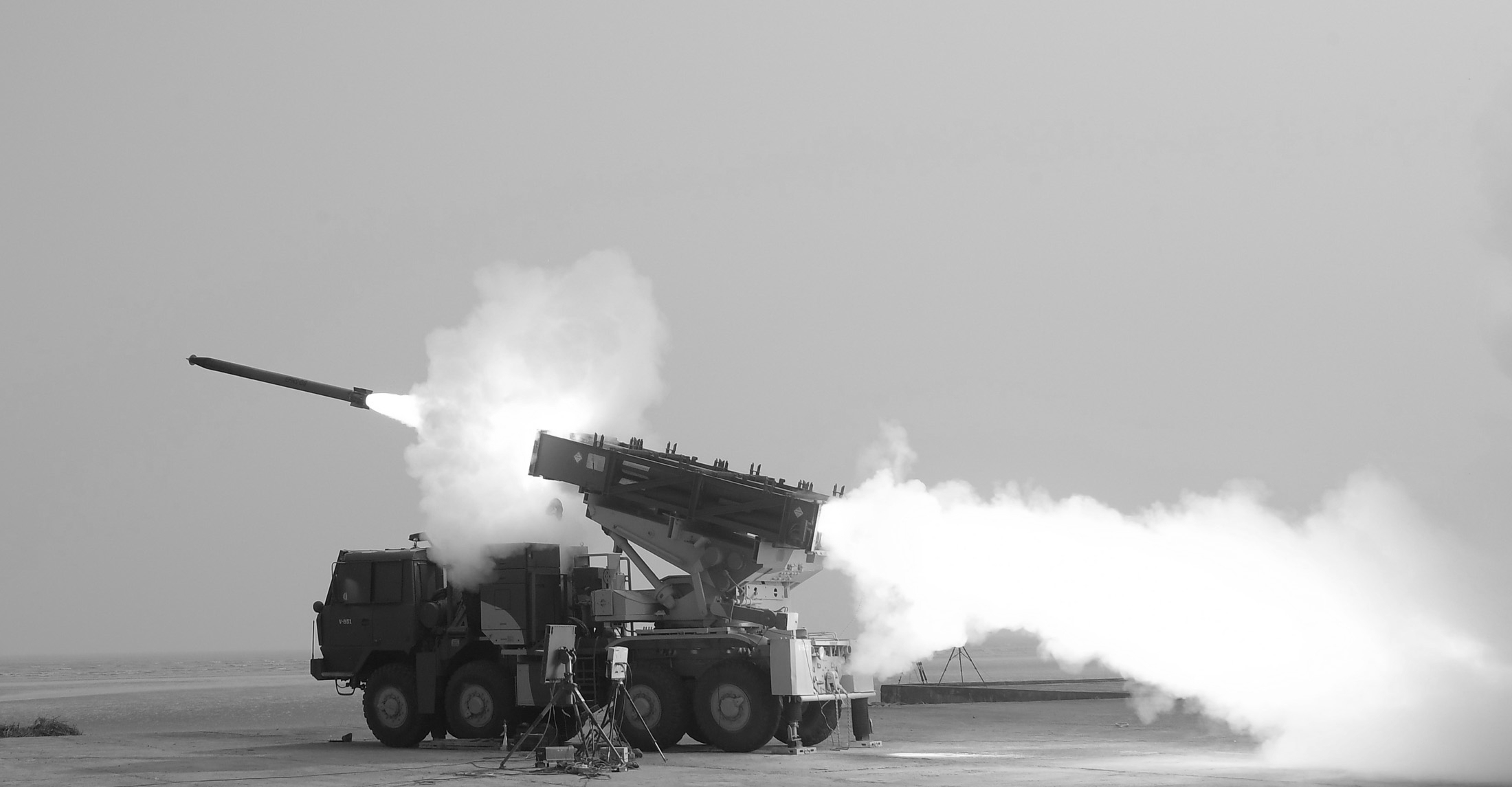
DRDO Tests Next-Generation Air-Breathing Missile Tech at Chandipur
India’s Solid Fuel Ducted Ramjet (SFDR) propulsion technology achieved a major milestone with a successful demonstration by the Defence Research and Development Organisation from the Integrated Test Range, Chandipur on the Odisha coast. During the mission, the missile completed all planned phases.
A booster first accelerated it to supersonic speed , after which the ramjet engine ignited and sustained flight by using atmospheric oxygen for combustion. This air-breathing propulsion system removes the need for a separate oxidizer, reducing overall weight and allowing more fuel to be carried, which improves range and performance.
Key subsystems such as the nozzle-less booster , SFDR motor , and fuel-flow controller performed as expected. Tracking sensors positioned along the Bay of Bengal confirmed the missile met required parameters, and detailed flight telemetry analysis validated system performance.
This achievement strengthens India’s push toward indigenous defence technology and supports the development of future long-range air-to-air missiles for beyond-visual-range combat . SFDR technology enables sustained high speed and better energy management during flight, giving missiles greater reach and engagement capability.
The success of this test represents progress toward self-reliance in defence , reducing dependence on foreign propulsion systems. Defence Minister Rajnath Singh congratulated the scientists and industry teams involved, calling it a significant step in enhancing national security. DRDO Chairman Samir V. Kamat described the demonstration as an important technological advancement that will contribute to next-generation missile systems.