
EC Finally Promises Digital Voter Rolls Under Public and Political Pressure
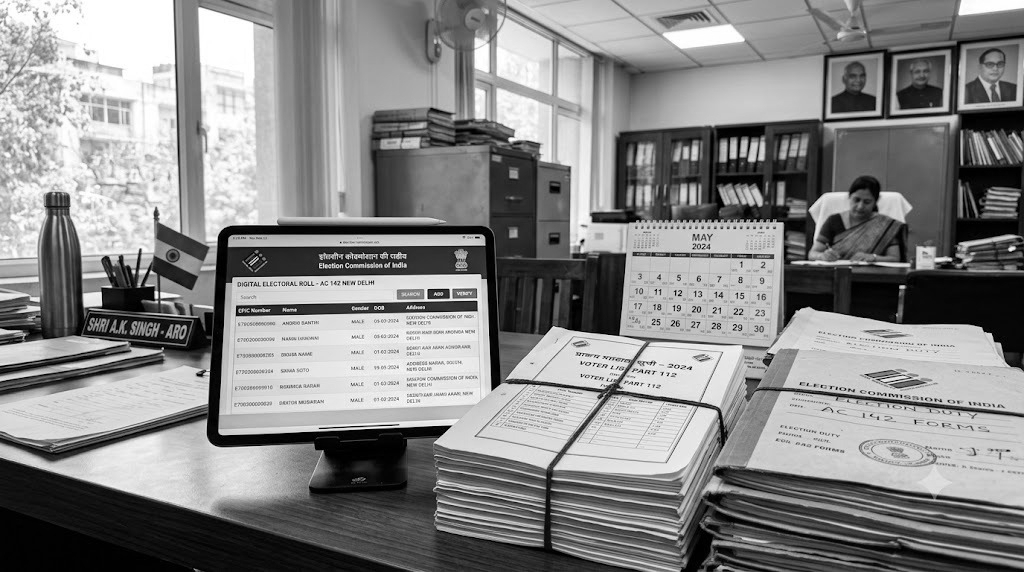
The Election Commission’s decision to provide readable electoral rolls in printed and digital formats marks a significant shift following years of demands for greater transparency, as opposition parties and electoral accountability advocates intensify scrutiny of voter-list revisions.
For years, examining printed electoral rolls has made it difficult for political parties to systematically identify deleted names, compare successive voter lists and flag eligible voters who may have been left out. Without machine-readable records, checking large volumes of entries can be time-consuming and cumbersome. The new provision could make it considerably easier for parties and citizens to search voter records, identify possible omissions and seek corrections.
The move addresses a basic demand that the Congress says it has raised since 2025. Coming amid sustained political criticism and public debate over the Special Intensive Revision (SIR), the decision has also raised questions about why searchable voter lists were not provided earlier.
The Congress called the announcement “too little, too late”, accusing the Commission of making a belated concession on electoral transparency.
Congress general secretary in-charge of organisation K C Venugopal targeted Chief Election Commissioner Gyanesh Kumar, alleging that the poll body had acted under the BJP leadership’s instructions.
“Gyanu, it’s not enough bro. You must resign and turn approver,” Venugopal wrote on X, arguing that the notification could not undo what he described as previous wrongdoing. He also alleged that “vote chori” had disenfranchised 13 crore Indians and demanded Kumar’s resignation, reversal of the SIR exercise and comprehensive electoral reforms, including changes to the Election Commission’s appointment process. These remain the Congress’s allegations.
The Election Commission on Thursday ordered the annual Special Summary Revision (SSR) of electoral rolls in 17 states and Union territories, with final lists scheduled for publication on January 4, 2027. The Commission said political parties would receive readable rolls in hard and soft copies at both the draft and final stages. Candidates in poll-bound states would also receive the lists, while Electoral Registration Officers would make copies available for purchase to others.
SIR has been completed in these 17 states and Union territories, while Assam underwent a special revision for legal reasons.
The Commission will also encourage those turning 18 on or before January 1, 2027, to enrol as voters ahead of Assembly elections in Uttar Pradesh, Uttarakhand, Goa, Manipur and Punjab.
The key question now is whether improved access will help expose genuine omissions, enable timely corrections and strengthen public confidence. Readable voter rolls are a step towards easier scrutiny; accountability will depend on how effectively the system works in practice.