
El Niño Impact May Peak in February, Warns Telangana Chief Secretary
The impact of El Niño is currently severe in Telangana and is expected to reach its peak in February next year, Chief Secretary Sanjay Jaju has said. He noted that the state received below-normal rainfall during the monsoon season, contributing to a rise in temperatures by 2–3 degrees Celsius. In view of the prevailing conditions, he directed officials from various departments to work in coordination to protect standing crops and address the challenges posed by the rainfall deficit.
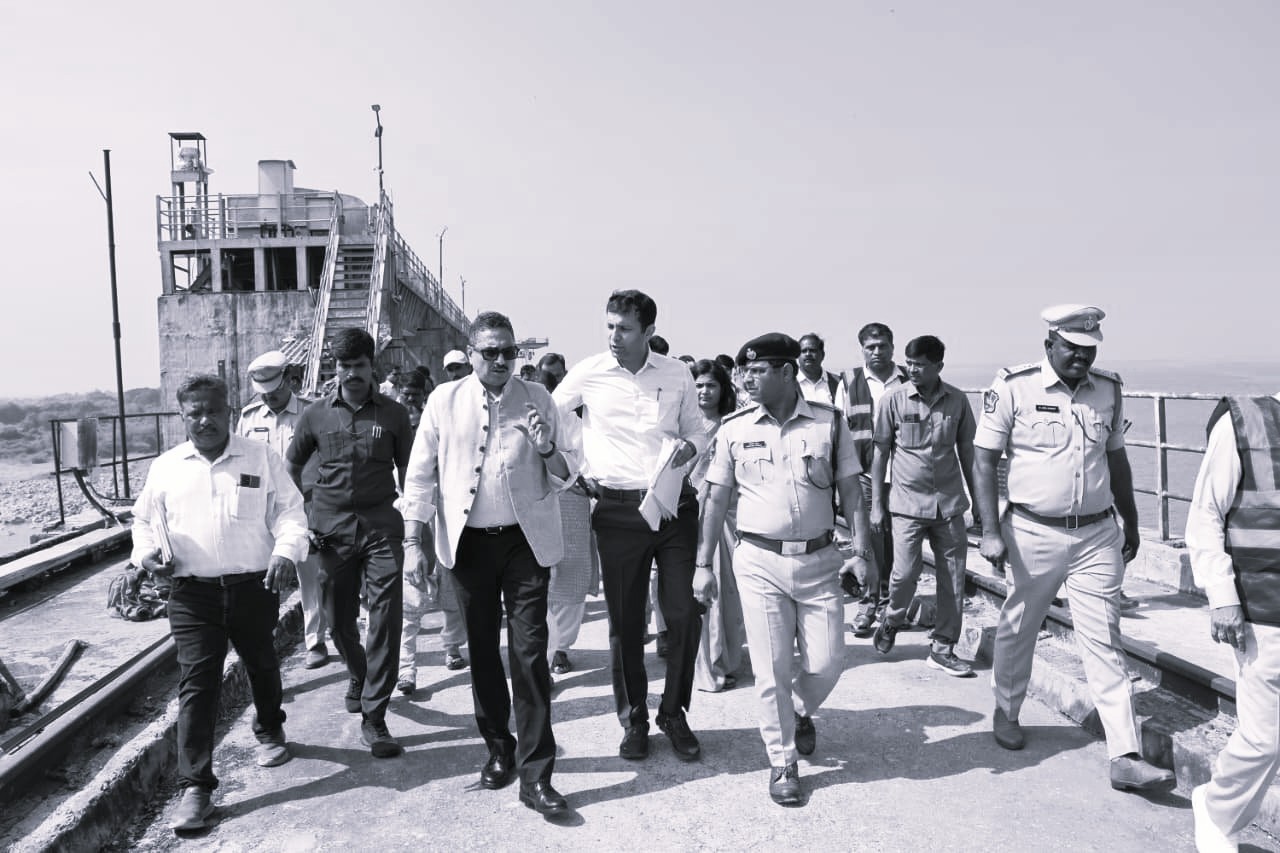
Jaju visited the Singur Project in Sangareddy district on Thursday to review water storage levels, availability and the condition of agricultural crops. Accompanied by District Collector Prateek Jain, he examined the available water reserves and discussed measures to ensure their effective utilisation. He instructed officials to give top priority to drinking water requirements and maintain continuous monitoring of reservoir levels to prevent the inefficient use of available resources.
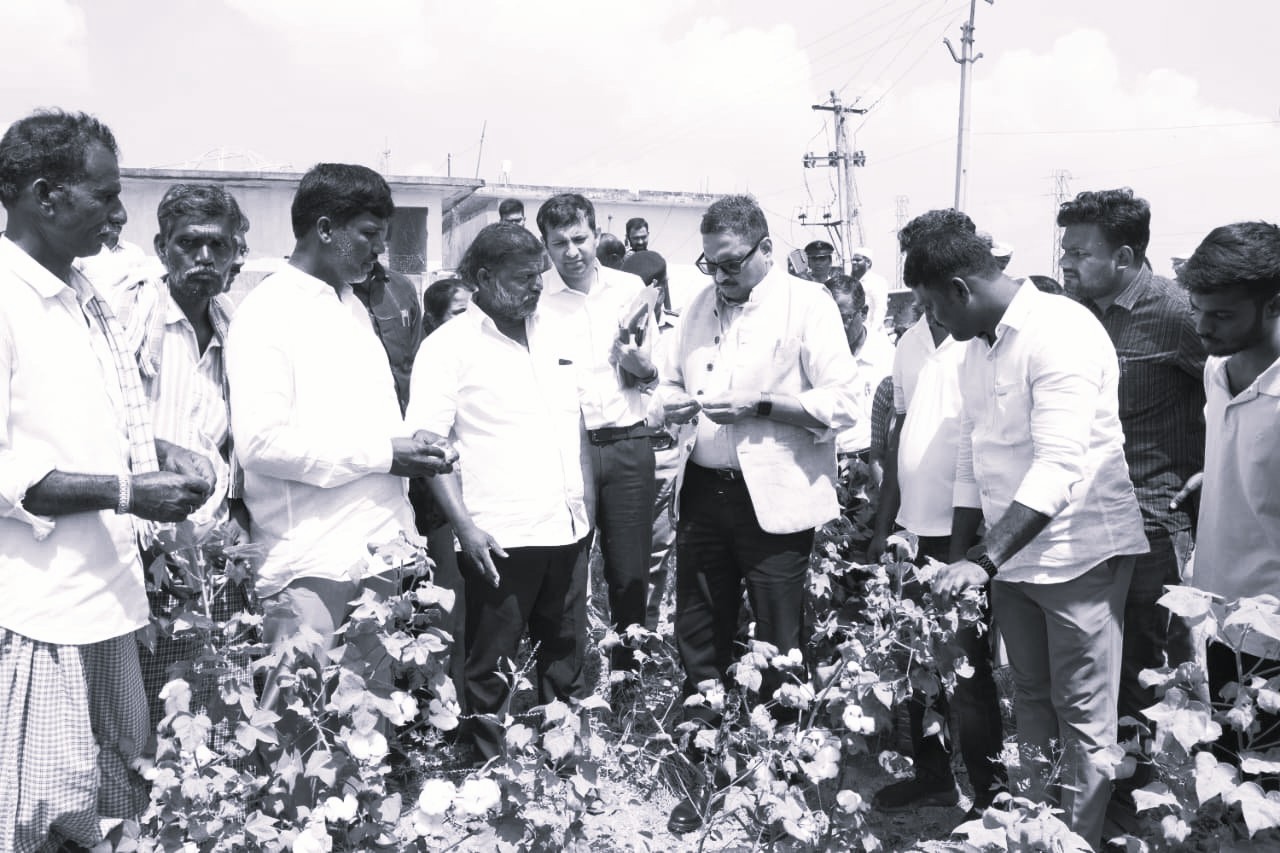
During the visit, the Chief Secretary also inspected cotton fields in Choutakur village to assess the effects of rising temperatures and El Niño conditions on agricultural activities. He warned that the next 15 to 20 days would be critical for crops and called for close coordination among the Agriculture, Electricity and Irrigation departments to minimise potential losses. The electricity department was specifically directed to ensure an uninterrupted power supply for agricultural operations.
Stressing the importance of direct field-level assessments, Jaju asked officials to visit villages, interact with farmers and understand their immediate requirements. He also called for public awareness campaigns explaining the precautionary measures being implemented by the government. To strengthen the response to the rainfall deficit, nodal officers are being appointed in every district to coordinate monitoring and mitigation efforts.
The Chief Secretary further observed that declining groundwater levels could force farmers to consider leaving fields fallow during the Rabi (Yasangi) season, despite the availability of electricity for agricultural purposes. He emphasised that drinking water supplies would have to receive the highest priority if water scarcity intensified.
Meanwhile, Chief Minister A. Revanth Reddy is reviewing the situation and monitoring developments linked to El Niño, Jaju said. The government is focusing on water conservation, interdepartmental coordination and crop protection to manage the potential consequences of the evolving weather conditions.