
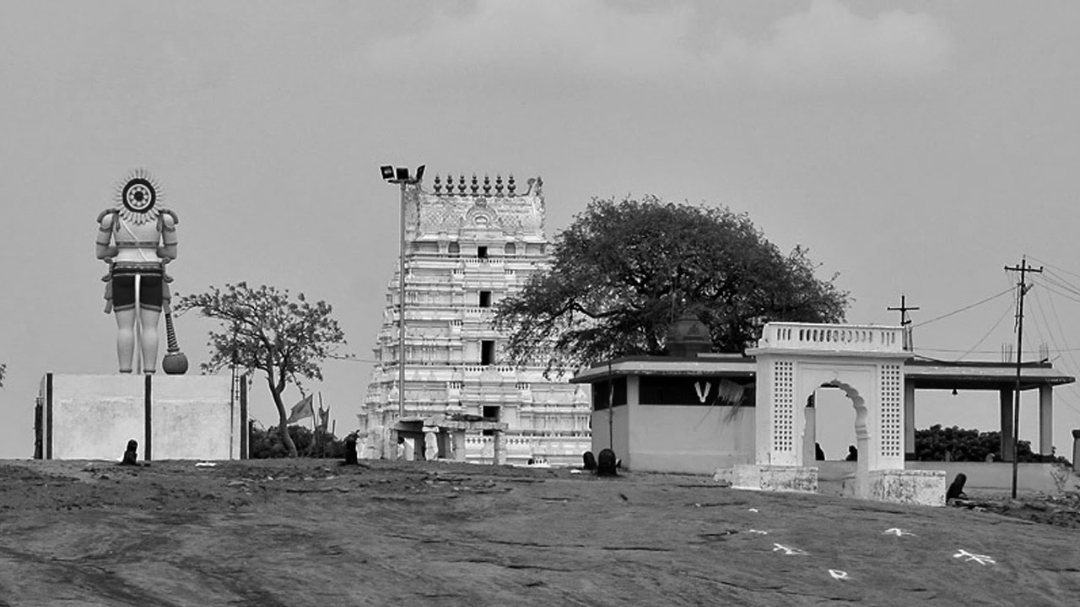
Eleswaram Island Temple: A Sacred Shrine Rising from the Krishna Backwaters
Hidden within the vast backwaters of the Nagarjuna Sagar reservoir, the ancient Eleswaram Island Temple stands as one of South India’s most intriguing spiritual destinations. Perching atop a green hill that rises above the waters of the Krishna River, the shrine appears almost suspended between earth and sky. Remote, serene, and accessible primarily by boat, this temple offers devotees not only darshan but a rare experience where spirituality, history, and nature converge.
Located near Kambalapalli village in Chandampet mandal of Nalgonda district, the shrine popularly known as Eleswara Mallayya Gattu is dedicated to Lord Mallikarjuna Swamy with Goddess Katyayani . Revered as the northeastern gateway to Srisailam and often described as Dakshina Kashi , the temple gained a unique geographical identity after the construction of the Nagarjuna Sagar Dam in the early 1960s. As reservoir waters submerged surrounding settlements and fertile plains, the hill shrine survived above the waterline, transforming into a rare island temple.
A Sacred Site Rooted in Ancient Civilizations
Eleswaram’s legacy stretches back many centuries. Archaeological findings and inscriptions indicate that the region flourished under the Satavahanas, Ikshvakus, Vishnukundins, Pallavas, Badami Chalukyas, and Kakatiyas , reflecting its long-standing religious and cultural importance. Excavations conducted before the reservoir filled uncovered Buddhist sculptures, temple remains, and Brahmi inscriptions, suggesting that the region once supported both Buddhist learning traditions and Shaivite worship.
Historians believe the name “Eleswaram” may have originated from an Ikshvaku ruler named Elamanchi, pointing to early royal patronage. During the dam’s construction, nearly 80 nearby villages were submerged, displacing communities that had worshipped here for generations. Despite relocation, many families continue to return annually to offer prayers to their ancestral deity.
Architecture That Withstood Submergence
The temple’s structural features reflect Kakatiya-era stone craftsmanship, including traditional sanctum design and mandapa elements. Built on elevated terrain, the shrine remained structurally intact even as surrounding settlements disappeared beneath the reservoir waters. Sculptures and inscriptions recovered from the area are preserved in museums such as Nagarjunakonda, preserving the region’s historical narrative.
Spiritual Beliefs and Living Traditions
Devotees believe the Shiva Linga at Eleswaram is Swayambhu (self-manifested) , while Goddess Katyayani is worshipped in a sacred sand form. The deity is revered locally as Santana Mallikarjuna , with childless couples performing rituals here seeking blessings for progeny. A traditional belief holds that devotees who bathe in the river, carry sesame seeds in their mouths while climbing the hill, and offer them at the shrine will be blessed with children.
The temple remained neglected and submerged for decades after the dam’s completion. Over the past two decades, local spiritual leaders and devotees have revived worship and restoration efforts, renewing its religious significance.
A Temple in the Middle of Water and Wilderness
What makes Eleswaram extraordinary is its setting. Blue reservoir waters stretch endlessly in all directions, while the hill covered with trees and crowned by the shrine rises like an island sanctuary. With no road access, pilgrims must travel by launch, turning the journey into a meditative experience. From the summit, the reservoir reflects like a mirror, framed by the distant ridges of the Nallamala forests.
The silence, clean air, and natural isolation create an atmosphere ideal for reflection and meditation, attracting not only pilgrims but also nature lovers.
Maha Shivaratri: When the Island Comes Alive
For most of the year, Eleswaram remains quiet and difficult to access. However, during Maha Shivaratri , the shrine becomes a major pilgrimage destination. Government authorities arrange special launch services from Nagarjuna Sagar Hill Colony, and thousands of devotees undertake the 60–90 minute boat journey while chanting sacred hymns.
Rituals performed during the festival include Panchamrita Abhishekam, Rudrabhishekam, and the midnight Lingodbhava Kala Puja , considered especially sacred. Pilgrims climb steps and rocky paths from the landing point to reach the hilltop temple, often describing the ascent as both a physical and spiritual journey.
Safety, Access and Seasonal Conditions
Earlier, devotees risked traveling on makeshift rafts from nearby villages, but authorities have banned unsafe methods. Only regulated launch services are permitted today. During monsoon months, strong winds and rising water levels can make travel dangerous, and visits may be suspended for safety.
Even when reservoir levels reach full capacity, the hill remains visible, though lower steps may submerge. During Shivaratri, strict regulations ensure safety, including limited travel hours and mandatory return trips before nightfall.
A Spiritual Refuge in Nature
Eleswaram is more than a pilgrimage site—it is a spiritual retreat. Devotees from Telangana and Andhra Pradesh, particularly from Guntur and Prakasam districts, visit in large numbers. The shrine’s tranquil setting offers relief from modern stress and provides an environment conducive to contemplation and devotion.
The journey to Eleswaram is often described as a rare union of nature and divinity. Amid the rhythmic sound of water and the quiet presence of forested hills, devotees experience a profound sense of inner peace.
Reaching Eleswaram
Pilgrims typically travel by road to Nagarjuna Sagar from Hyderabad (approximately 150–160 km) via Ibrahimpatnam and Hill Colony. From there, launches ferry visitors to the hill. During Maha Shivaratri and special occasions, arriving early is advisable due to heavy demand.