
EU Unveils 22nd Russia Sanctions Package Targeting Banking, Crypto Networks
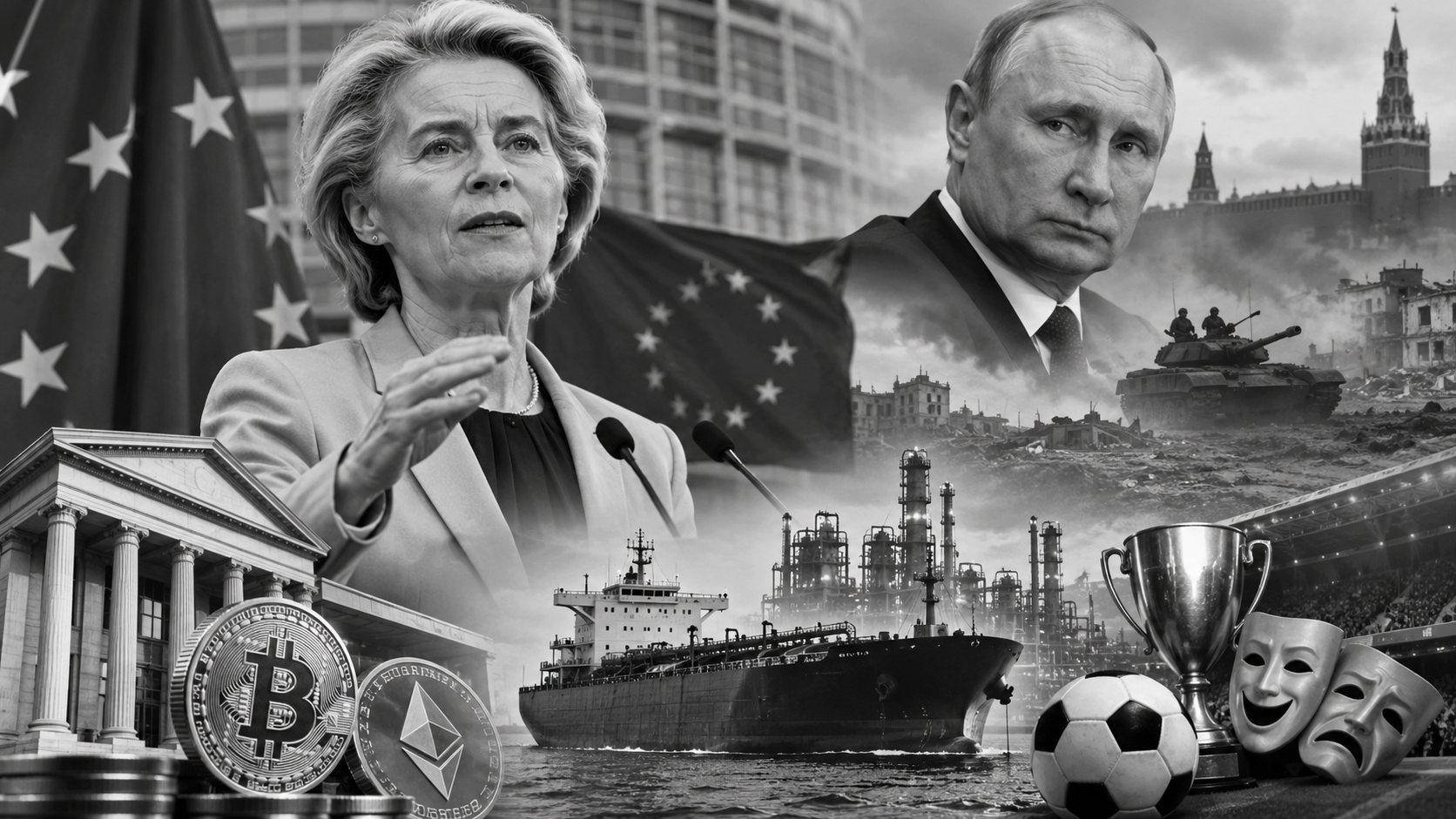
The European Union has proposed a fresh package of sweeping sanctions against Russia, targeting 60 banks, cryptocurrency platforms, more than 70 oil tankers and Russian participation in European sporting and cultural events, as the bloc seeks to intensify economic pressure on Moscow over its war against Ukraine.
The proposals, presented by European Commission President Ursula von der Leyen on November 23, constitute the EU's 22nd sanctions package since Russia launched its full-scale invasion of Ukraine in February 2022. The measures seek to restrict Moscow's ability to finance its military operations by tightening international financial restrictions, disrupting alternative payment channels and targeting its energy transportation network. The proposals require unanimous approval from all 27 EU member states before they can enter into force and could undergo modifications during negotiations.
A major component of the package is the extension of transaction bans to 60 Russian banks, all of which would also be removed from the SWIFT international financial messaging system. The restrictions could complicate cross-border payments, international trade settlements and access to global financial services for Russian businesses. The Commission is also targeting cryptocurrency and payment networks allegedly used to circumvent existing restrictions, including intermediaries operating in third countries. A dedicated Crypto Sanctions Task Force has been established to coordinate enforcement and cooperation with international partners.
The EU has proposed adding more than 70 vessels associated with Russia's shadow fleet to its sanctions list and banning tanker vessels insured in Russia. These ships are used to transport Russian crude through alternative shipping arrangements that can bypass Western restrictions. More than 670 shadow-fleet vessels have already faced EU port and service restrictions. Additional measures could increase transportation costs and complicate Russian oil exports, an important source of government revenue.
The proposal also expands restrictions on European companies providing services to Russian energy infrastructure. They would be prohibited from helping build, operate or repair Russian energy facilities, particularly oil refineries. For the first time, electricity-related services would also be covered. The restrictions could limit access to European technical expertise and maintenance support, particularly as Russian refineries face operational challenges following Ukrainian strikes.
The Commission has further proposed an entry ban for Russian former combatants, citing security concerns linked to unconventional activities by Russian operatives in Europe. It also wants to prevent Europeans from occupying positions on the governing bodies of Russian companies.
Under the proposed sporting and cultural restrictions, Russian teams and athletes would be barred from competing under the country's flag at European events. The measures would also prohibit displaying official Russian symbols and restrict sponsorship funding from Russian entities to European sporting and cultural organisations. Russians would additionally face restrictions on holding governing positions in European sports federations.
The latest initiative follows years of expanding sanctions. Although the EU first imposed restrictions against Russia in 2014 following the annexation of Crimea, the measures were significantly expanded after the February 2022 invasion. The 20th sanctions package, adopted in April 2026, targeted additional banks, cryptocurrency services and shadow-fleet vessels. The 21st package, adopted in July, imposed restrictions on 48 individuals and 170 entities, 33 additional Russian financial institutions, 14 cryptocurrency-related platforms and 41 shadow-fleet vessels.
On October 12, the EU also sanctioned 1,569 individuals and entities linked to Russia's military-industrial complex, including 826 companies and 743 executives associated with supplying components for missiles, drones and aircraft. More than 4,700 individuals and entities have faced EU sanctions since the full-scale invasion, including President Vladimir Putin and several energy companies.
The latest package seeks to close loopholes that have allowed Russia to maintain financial and commercial connections through alternative banks, cryptocurrency networks and shipping intermediaries. However, its effectiveness will depend on enforcement, cooperation from third countries and Moscow's ability to redirect trade through alternative channels.