
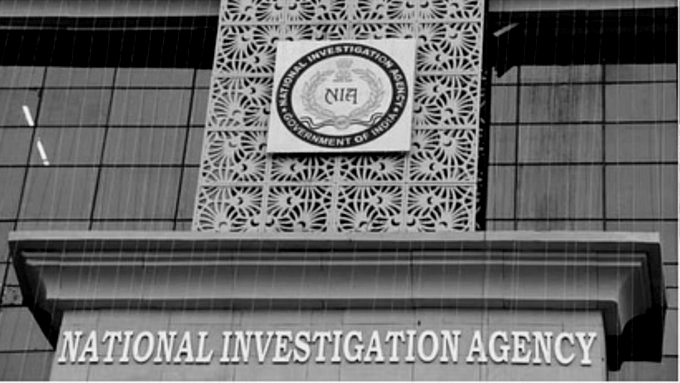
Four Ex-PFI Cadres Named in NIA Chargesheet for Harbouring Ramalingam Murder Accused
The National Investigation Agency (NIA) has filed a supplementary chargesheet against four former cadres of the banned Popular Front of India (PFI) for allegedly harbouring individuals accused in the 2019 murder of PMK worker Ramalingam in Tamil Nadu, officials said on Saturday.
The chargesheet, filed before the Special NIA Court in Poonamallee, names K Mohideen, Mohamed Imran, Thameem Ansari, and Asmath , all of whom have been declared proclaimed offenders. The agency alleges that they provided shelter and support to key accused involved in the murder and conspiracy behind the attack.
Ramalingam was hacked to death in Thanjavur district on February 5, 2019 , during an alleged altercation after he reportedly attempted to prevent religious conversion activities in the area. According to investigators, the killing was part of a broader conspiracy intended to foment communal disharmony and fear .
The NIA said its probe revealed that the four accused had harboured proclaimed offenders Mohamed Burhanudeen and Mohamed Nabil Hassan for nearly six years despite being aware of their alleged involvement in the murder.
The agency had earlier chargesheeted 18 accused , including six absconding proclaimed offenders, four of whom were subsequently arrested. Two additional individuals accused of providing shelter to the fugitives were arrested and chargesheeted in 2025 and 2026.
The latest chargesheet underscores the continuing efforts of central investigative agencies to dismantle extremist support networks, identify sleeper cells, and disrupt logistical and financial assistance systems that enable fugitives to evade law enforcement . Security agencies have increasingly focused on tracking individuals who provide safe houses, resources, or operational support to those linked to extremist activities, viewing such networks as critical enablers of radicalisation and violence.
Officials maintain that sustained action against these support structures is essential to preventing the resurgence of extremist organisations and safeguarding communal harmony and national security.