
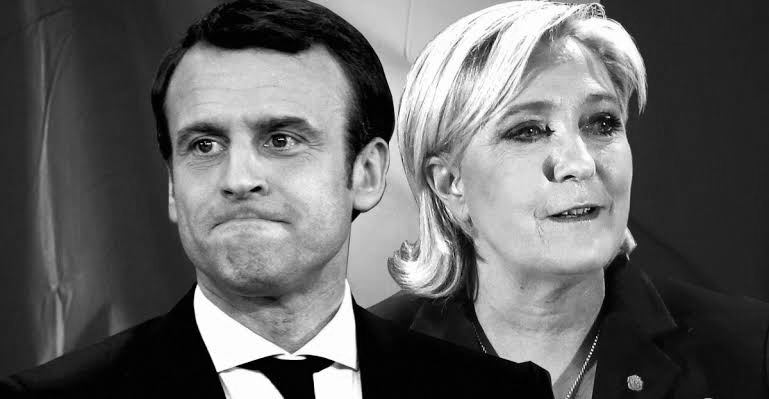
France’s Political Crisis Deepens: Riots Hit Macron as Far-Right Le Pen Eyes Presidency
French President Emmanuel Macron is entering the final months of his presidency amid mounting unrest and political uncertainty, with far-right leader Marine Le Pen emerging as the leading contender to succeed him in next year’s election.
A wave of protests and riots has intensified pressure on the government, while candidates on both the far right and far left seek to turn public anger to their advantage. Macron, who took office in 2017, has acknowledged “failures” in planning and intelligence gathering as violence and destruction spread across French cities.
His popularity has fallen to its lowest level since he became president, even below the levels recorded during the 2018 Yellow Vest protests against social injustice and inequality. Constitutionally barred from seeking a third consecutive term, Macron has yet to endorse a successor, and it remains unclear whether his backing would influence voters.
Le Pen, the National Rally leader, has portrayed herself as an alternative to what she calls a powerless government. Accusing the administration of losing control, she has blamed far-left activists and looters for the violence and demanded tougher security measures.
Jordan Bardella, president of the National Rally, has urged citizens to channel their anger into votes, promising more police personnel, better equipment and harsher punishments for rioters. A recent appeals court ruling shortening a ban on Le Pen holding public office has also improved her prospects of contesting the election.
Meanwhile, far-left leader Jean-Luc Melenchon has backed protesters’ demands while condemning looting and vandalism. Demonstrators are calling for higher wages and pensions, better healthcare, improved public services and increased education funding. Melenchon’s support could strengthen his appeal among left-wing voters, although his criticism of police methods risks alienating moderates.
Centrist and centre-left candidates, including former prime ministers, have struggled to gain momentum. Polls place Le Pen in front and Melenchon second, although the contest for the remaining runoff position remains uncertain.
France’s presidential election is scheduled for April 2027, with a runoff on May 2. Further protests could reshape the campaign, but the long-term electoral impact remains unclear.