
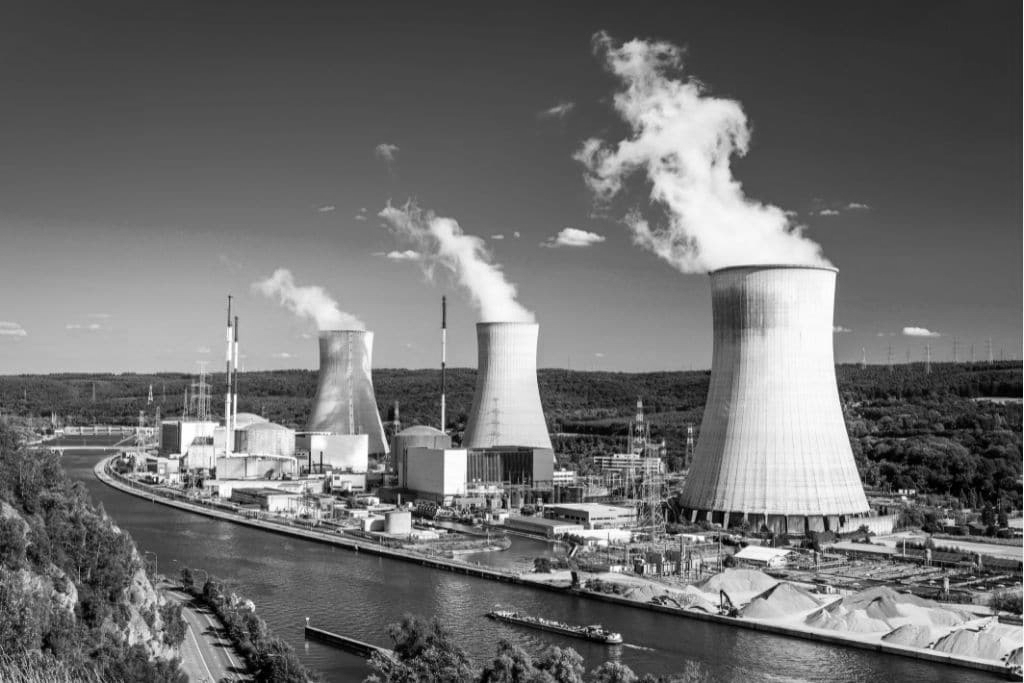
From 8.78 GW to 100 GW: Can India Pull Off Its Nuclear Mega Leap?
India has set itself one of its most ambitious energy goals yet: expanding nuclear power capacity from the current 8.78 GW to 100 GW by 2047. The target fits into the broader vision of Viksit Bharat, promising clean, reliable and round-the-clock electricity while reducing dependence on fossil fuels. But the scale of the expansion means that the real challenge will lie not in setting the target, but in building enough projects to achieve it.
The first phase has a relatively clear pathway. India aims to raise nuclear capacity to around 22 GW by 2031-32, supported by reactors already operating, projects under construction and an identified pipeline. This requires adding about 13.2 GW over the next few years, making it a difficult but comparatively visible part of the journey.
The challenge grows sharply after 2032. To reach 100 GW, India would need to add another 78 GW in just 15 years, an average of more than 5 GW every year. The government sees about 32 GW of this expansion coming through NPCIL, largely through indigenous 700 MW PHWRs and other large reactors. The remaining around 46 GW is expected to come from central and state PSUs, private companies and joint ventures.
That 46 GW is the biggest uncertainty. While the government is opening the sector to wider participation and promoting new technologies, much of this future capacity is yet to be translated into individually identified, financed and construction-ready projects.
India is also pursuing Small Modular Reactors, with a target of operationalising at least five indigenous SMRs by 2033, while its three-stage nuclear programme has entered a new phase following the Prototype Fast Breeder Reactor's first criticality in April 2026. However, thorium-based power is still a longer-term objective and is unlikely to carry the bulk of the 2047 expansion.
The programme could require roughly ₹19 lakh crore to ₹25 lakh crore in investment. Financing, regulatory clarity, land acquisition, supply chains, skilled manpower and construction delays could all influence the final outcome.
India has a visible path to 22 GW. Beyond that, the roadmap becomes far more ambitious. The next few years will determine whether the 100 GW target develops into a concrete construction pipeline, or remains a bol