
From Bandel to Mumbai, New Book Documents India's Historic Clock Towers
From a Portuguese-era church in West Bengal to Mumbai's more than 160-year-old iconic clocktower, historic clocks across India have served as public timekeepers while witnessing major chapters of the country's history.
A new coffee-table book, “Clock Towers of India: Sentinels of Time”, documents 150 such landmarks, tracing their origins in chronological order. Published by Niyogi Books, the 300-odd-page volume features clocks and towers associated with churches, temples, railway stations, post offices, municipal buildings and colonial-era structures.
Author Debasish Das, a Gurugram-based technology professional and self-described horology enthusiast, said the book emerged from a five-year research journey that began around 2020.
“I had assumed that public clocks arrived with the British Raj and were largely confined to a handful of famous monuments. But the evidence revealed a much richer story,” Das told PTI.
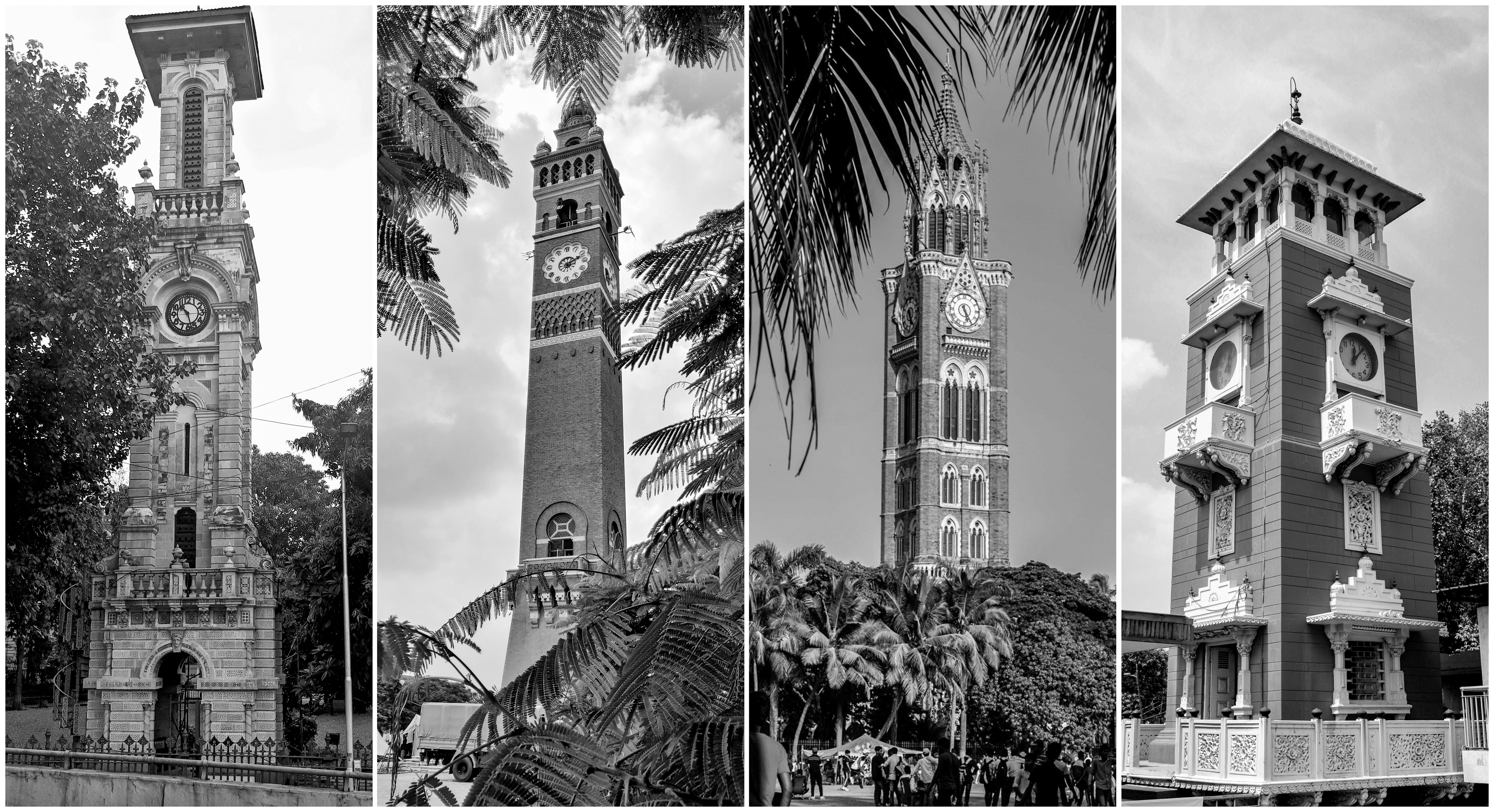
The book features landmarks including Mumbai's David Sassoon Clocktower (1865), Surat Clocktower (1871), Hussainabad Clocktower in Lucknow (1881), Mayo College Clocktower (1885), Mehboob Chowk Clocktower in Hyderabad (1892), Harrison Clocktower in Aligarh (1894), Chinsurah Clocktower in West Bengal (1914) and Mysuru's Silver Jubilee Clocktower (1927).
It also documents clocks embedded in historic structures, including the 17th-century Basilica of the Holy Rosary in Bandel, Methan Mani in the Sree Padmanabhaswamy Temple complex in Thiruvananthapuram and Christ Church clocktower in Shimla (1844).
Das also explores the technology behind master-and-slave clock systems, in which a central master clock synchronised multiple distant dials. A 1951 Horological Journal note titled “Delhi's 900 'Slaves'” described 900 electrically operated clocks across the capital, including installations in Parliament, All India Radio, Government House and the Secretariat.
Das said India's clocktower heritage extends far beyond the 150 landmarks featured, but reliable historical information or photographs were not available for some sites.