
From cruise ship outbreak to remote island rescue: U.S. mounts $750K evacuation mission
The Trump administration has spent approximately $750,000 to charter a private yacht and evacuate an American woman stranded on one of the world's most remote inhabited islands after she was potentially exposed to a deadly hantavirus outbreak linked to a cruise ship voyage, according to U.S. officials and internal government documents.
The extraordinary operation has drawn attention not only for its high cost but also for the complex international effort required to rescue a single citizen from Pitcairn Island , a tiny British territory in the South Pacific with no airport and a population of only about 50 people.
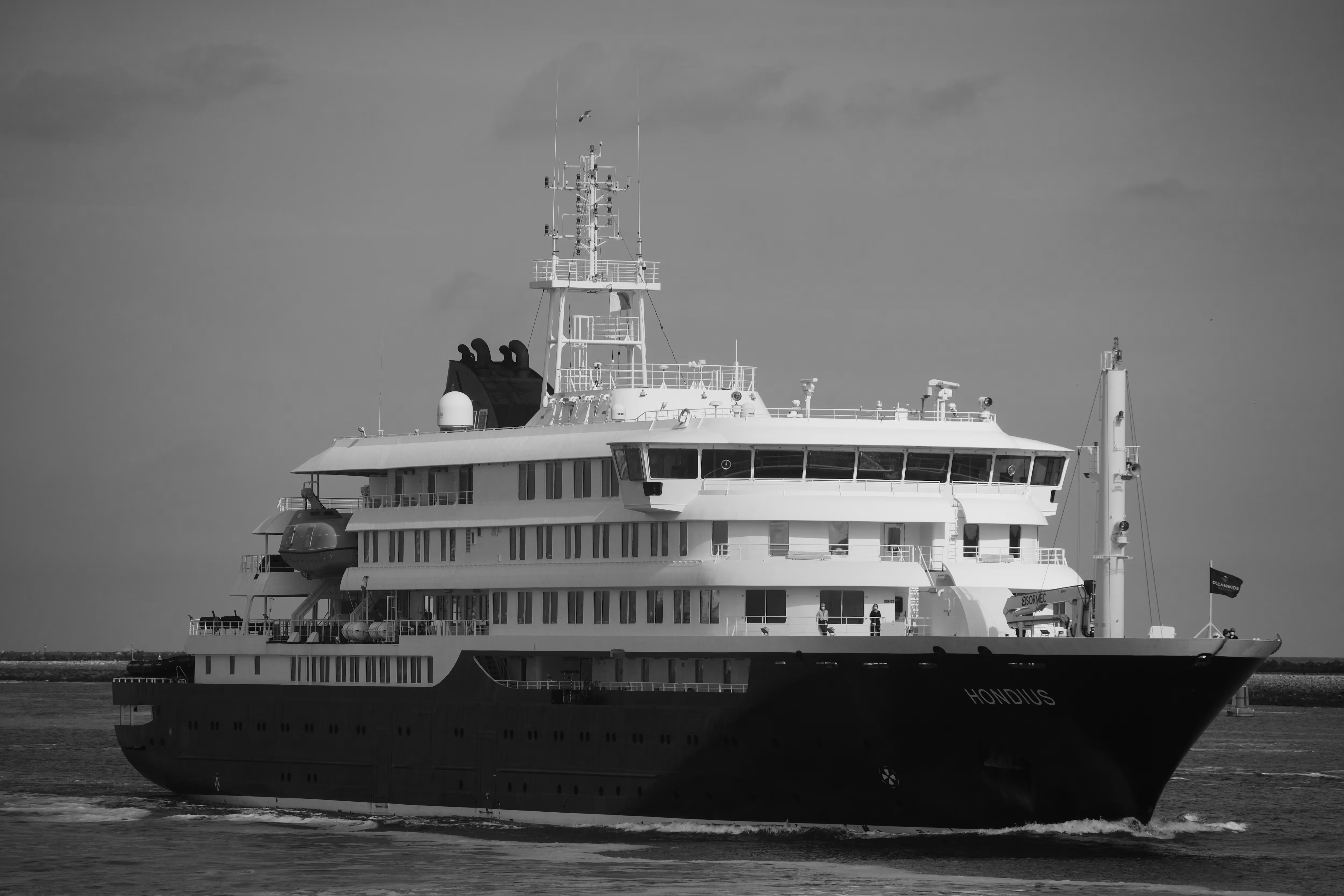
The woman had been traveling aboard the Dutch expedition cruise ship MV Hondius , which later became associated with a hantavirus outbreak that reportedly sickened several passengers and resulted in at least three deaths . After leaving the vessel, she flew to San Francisco before continuing through Tahiti and eventually reaching Pitcairn Island.
What followed was a logistical and diplomatic challenge spanning multiple countries. British authorities reportedly requested urgent assistance from the United States to remove the woman from the island. Initial plans to send her back through French Polynesia were unsuccessful after authorities there declined to allow her entry, citing concerns that she had not disclosed her potential virus exposure when she previously transited through Tahiti.
With commercial travel options unavailable and Pitcairn lacking an airport, U.S. officials were forced to explore alternative routes. After weeks of planning and negotiations, authorities secured the Titaina Explorer , a privately owned exploration trimaran yacht, to transport the woman from Pitcairn to Easter Island , a Chilean territory located roughly 1,400 miles (2,253 kilometers) away. From there, she is expected to travel to Santiago and eventually return to the United States for medical evaluation if necessary.
The case has also placed additional pressure on the U.S. State Department's emergency contingency budget, known as the “K Fund.” The fund is already facing growing demands from evacuation efforts related to the conflict involving Iran, assistance for Americans leaving the Middle East and preparations for potential emergencies linked to the ongoing Ebola outbreak in parts of Africa.
Beyond the financial debate, the incident highlights the challenges governments face in protecting citizens abroad. Stranded on a remote island famous as the refuge of the HMS Bounty mutineers , the woman became the focus of a rare multinational rescue mission that underscored how disease outbreaks, international travel restrictions and geographic isolation can combine to create extraordinary emergencies.