
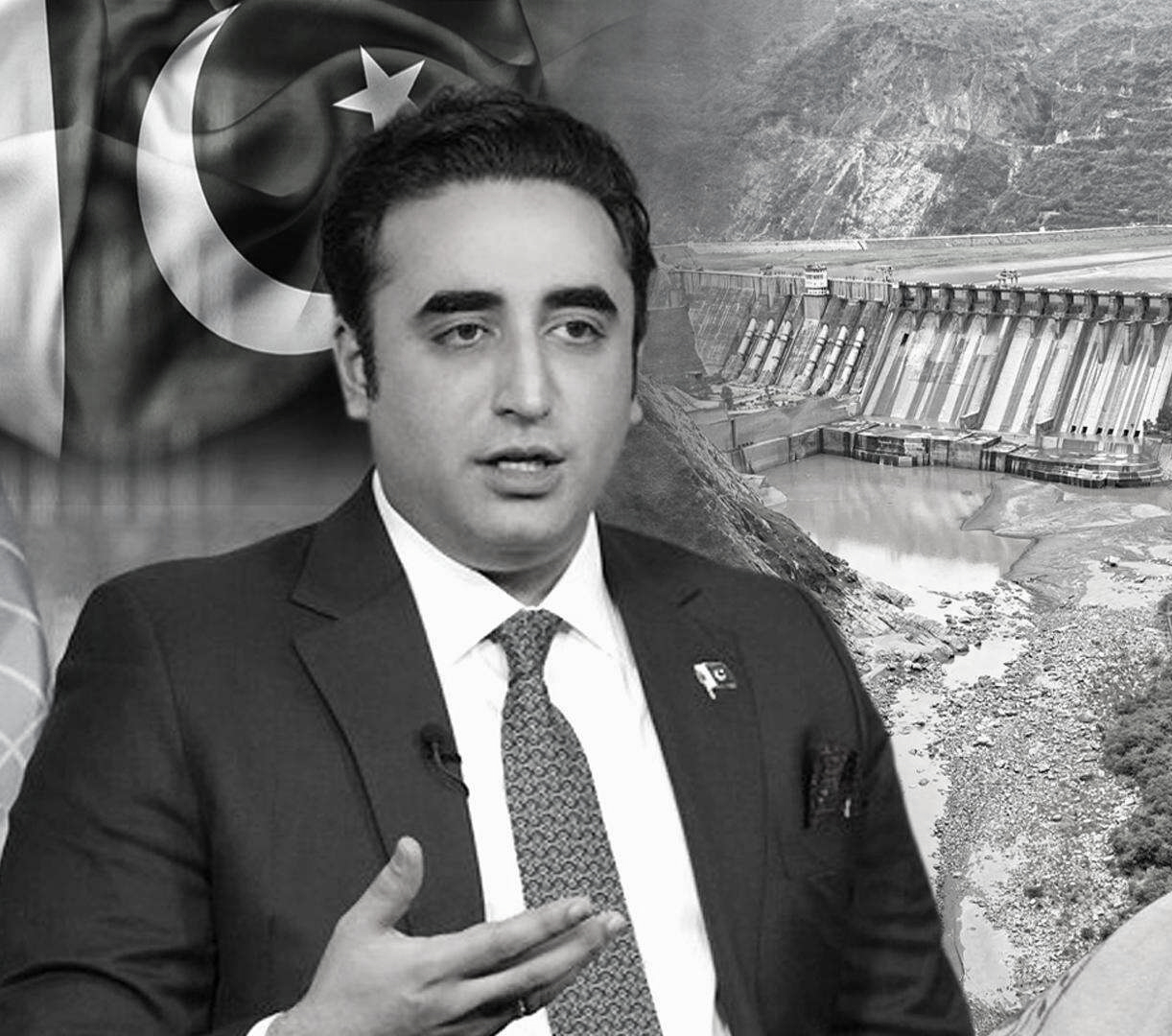
From Nuclear Warning to 'Peace With Dignity': Bilawal Bhutto's Apparent U-Turn on India
Pakistan Peoples Party Chairman Bilawal Bhutto Zardari has claimed that Pakistan seeks peace with dignity and dialogue under international law, days after invoking the country's nuclear doctrine over the suspended Indus Waters Treaty . Addressing an international seminar in Islamabad, he declared that Pakistan wanted coexistence but not submission, insisting that any attempt to undermine the nation's water rights would trigger a unified national response.
India placed the 1960 Indus Waters Treaty in abeyance following the Pahalgam terror attack in Jammu and Kashmir that killed 26 civilians, with New Delhi maintaining that blood and water cannot flow together until Islamabad takes verifiable action against cross border terrorism. The Indus river system supports irrigation for nearly 80 percent of Pakistan's agricultural land, making the treaty central to the country's economy and food security.
In his most alarming remarks, Bhutto had earlier linked the water dispute to Pakistan's nuclear doctrine , stating that threats to the country's economy or waterways fall among the limited circumstances Islamabad has identified as potentially warranting a nuclear response. He argued that if cutting off Pakistan's water access constituted an existential threat, the issue could not be addressed merely as an environmental concern.
Invoking the provinces of Sindh , Punjab, Balochistan, Khyber Pakhtunkhwa, Kashmir and Gilgit Baltistan, Bhutto asserted that the people who have lived along these rivers for thousands of years would never surrender their rights. He described the Indus as Pakistan's lifeline, stating it was not a pressure point, a bargaining chip or a weapon to be placed in India's hands, and warned that turning the river into a noose would be treated as a threat to the survival of the state.
Pakistan's Deputy Prime Minister and Foreign Minister Ishaq Dar backed Bhutto's stance, describing the treaty as a vital instrument of regional peace and stability that has endured three full scale wars between the neighbours. Former Foreign Minister Hina Rabbani Khar questioned why India believed it could violate a treaty long regarded as one of the world's most successful transboundary water agreements, noting it was now being challenged through unilateral political decisions rather than conflict. New Delhi has remained firm that the treaty will stay suspended until Pakistan demonstrates irreversible action against cross border terrorism .