
Gandhi Manuscripts’ Record Sale Rekindles Debate Over National Heritage
The record ₹16.20-crore sale of Mahatma Gandhi’s handwritten reflections has triggered a debate over whether priceless pieces of India’s documentary heritage should remain in private hands or be preserved in public institutions for future generations.
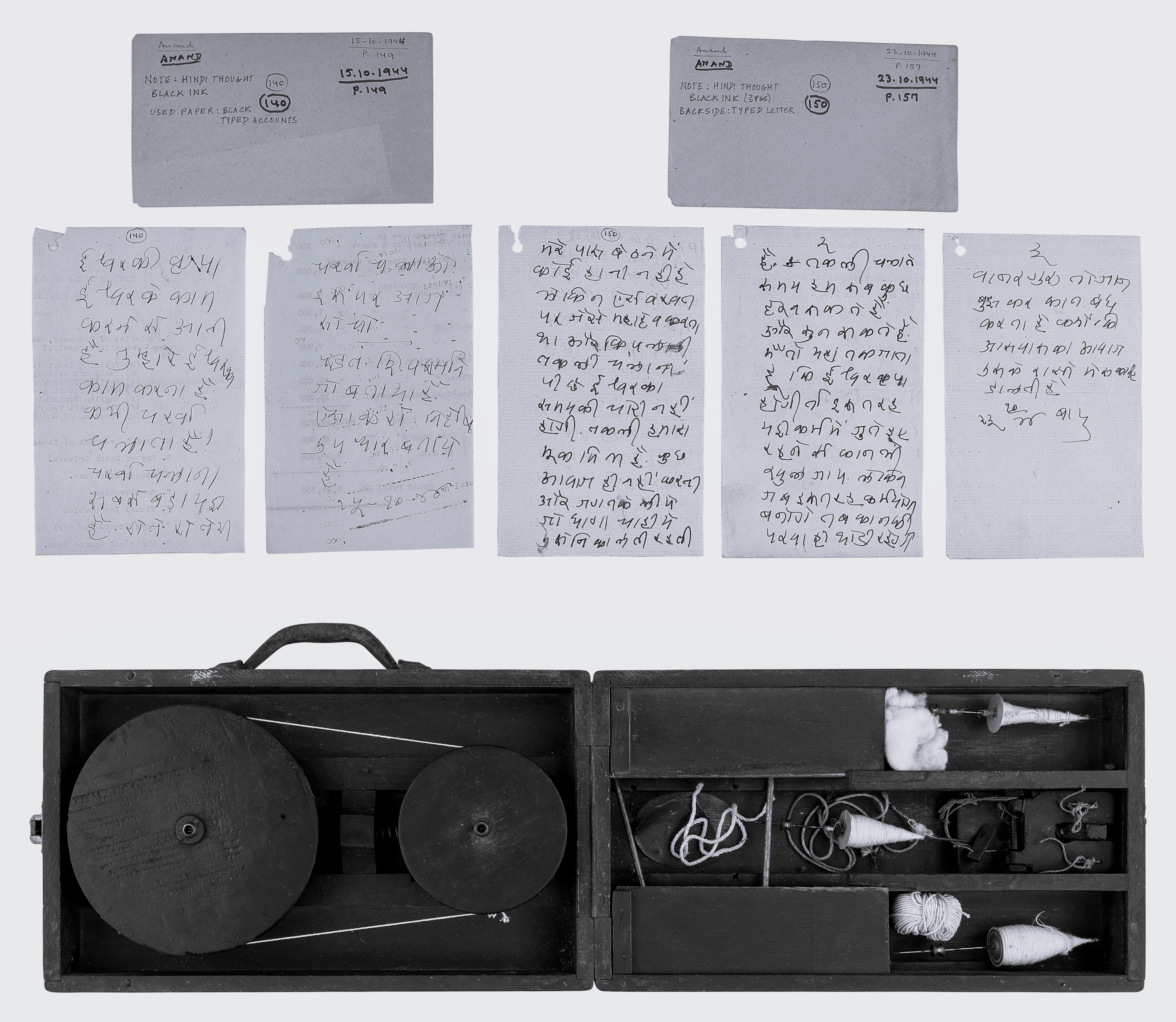
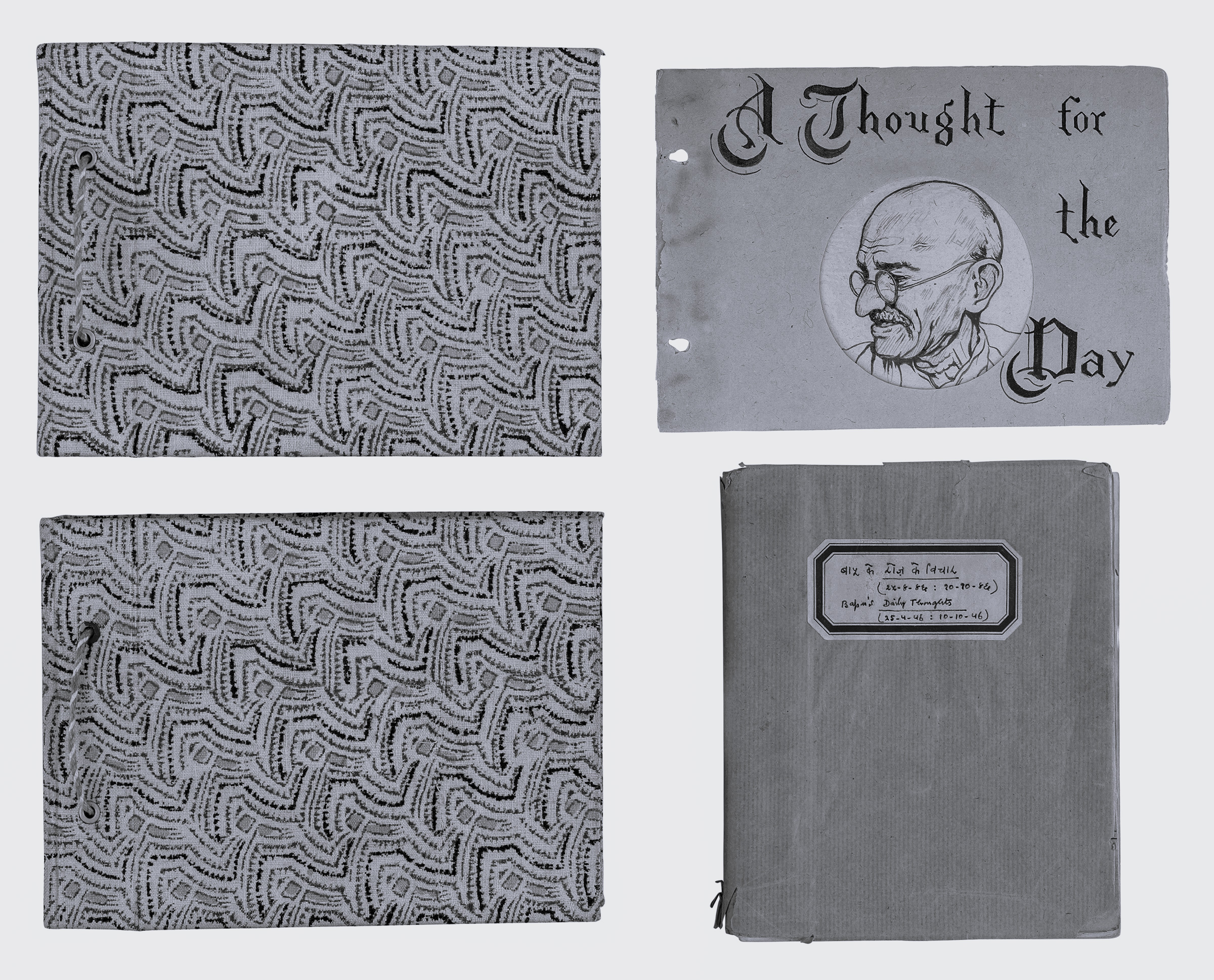
On August 19, Saffronart’s “Gandhi: From the Collection of Anand T Hingorani” auction featured 86 lots of letters, manuscripts, photographs and personal objects associated with Gandhi. Its centrepiece, A Thought for the Day, comprised 688 handwritten reflections addressed to freedom fighter and close associate Anand T. Hingorani over nearly two years following the death of his wife, Vidya. The collection fetched ₹16.20 crore, setting a world auction record for an Indian historical document. The buyer, whose identity was not disclosed, is from India and the manuscript will remain in the country.
The writings offer an unusually intimate glimpse of Gandhi beyond his public political role. They explore truth, ahimsa, brahmacharya, non-possession, fearlessness, religious equality, removal of untouchability, prayer, service, labour, Swaraj, moral responsibility, silence, conscience, non-attachment, self-realisation and the search for God. Their value therefore extends from freedom-movement history to philosophy, ethics and spirituality.
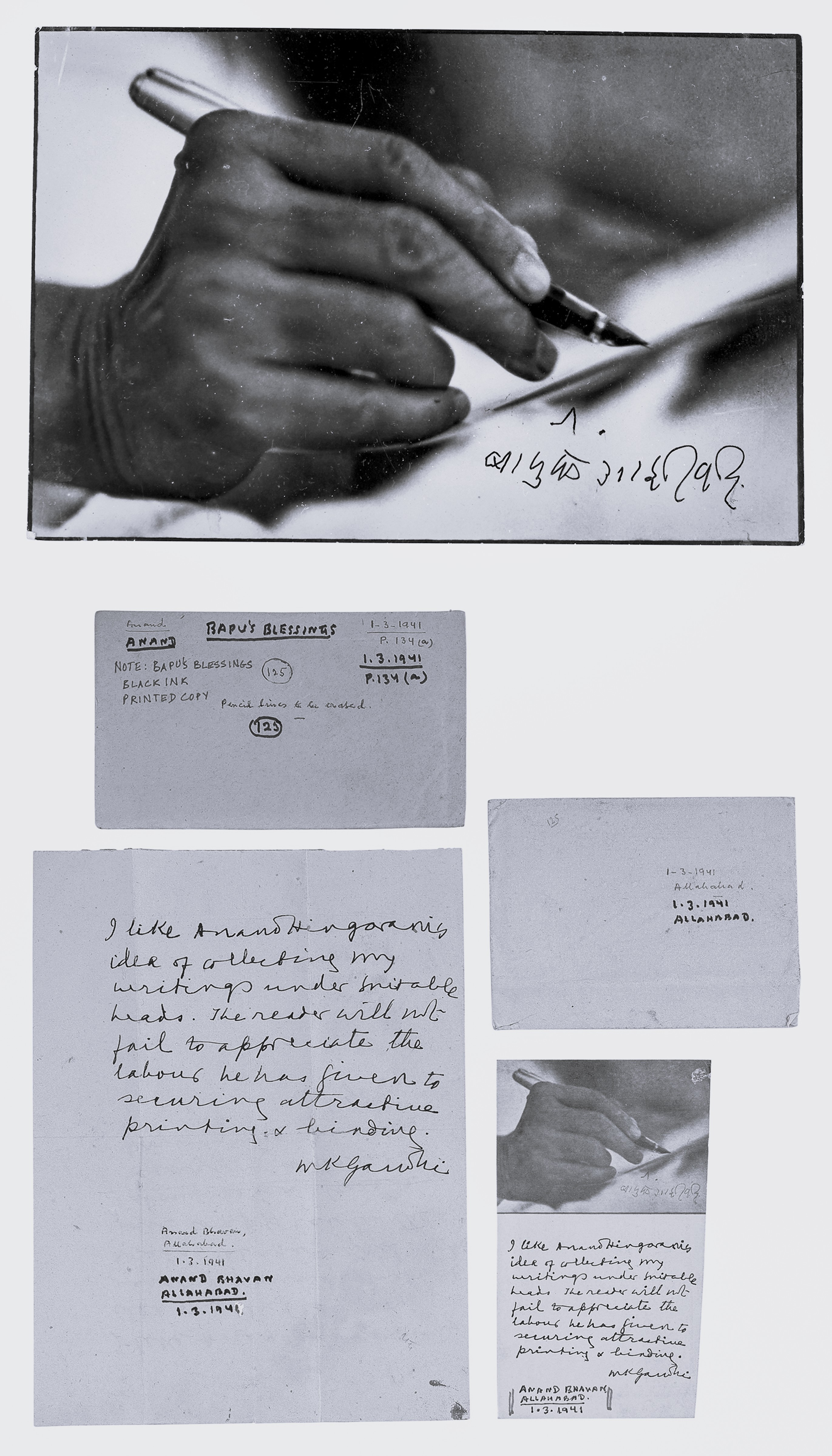
Other auction highlights underscored the demand for Gandhi’s original material. A set of manuscripts and correspondence titled “Message on God” sold for ₹1.68 crore, while his ‘peti charkha’ with two letters on the spiritual discipline of spinning fetched ₹1.02 crore, against an estimate of ₹50–70 lakh. A signed photograph of Gandhi writing sold for ₹78 lakh, while letters, telegrams and postcards concerning economic independence fetched ₹57.60 lakh.
The sale prompted A. Annamalai, director of the National Gandhi Museum, to describe the auction as “deeply distressing and painful”. He said Gandhi’s letters, manuscripts and personal belongings are not merely private possessions but part of India’s common heritage. Many current holders, he noted, belong to the third or fourth generation of original owners and may not fully understand their historical significance or know how to preserve them.
Annamalai stressed that even when Gandhi’s letters have been published, the original handwritten documents remain historically important. Their handwriting, corrections, annotations, paper, ink and provenance can provide researchers with evidence that printed reproductions cannot fully preserve. Such originals are therefore precious primary sources rather than ordinary collectibles.
The controversy also has a wider historical context. Rabindranath Tagore’s personal journal, containing writings from 1889 to 1904, sold for ₹1.70 crore at Christie’s Mumbai auction in 2014, with the final amount including buyer’s premium reported at about ₹2.62 crore. Gandhi’s latest sale has dramatically surpassed that benchmark for an Indian historical document.
For the National Gandhi Museum, the issue is ultimately one of price versus heritage. Annamalai has appealed to people holding Gandhi’s letters, manuscripts and personal artefacts to hand them over to the museum in Delhi rather than auctioning them, so they can be professionally preserved and made accessible for research and education.
The ₹16.20-crore sale has put a monetary value on Gandhi’s handwriting. But its larger significance lies in reopening a fundamental question: how should India protect irreplaceable pieces of its history when their market value and public heritage value pull in different directions?