
Gaza Ceasefire: Key Obstacles Threatening a Lasting Peace
A lasting Gaza ceasefire faces a series of interlocking obstacles, with disagreements over disarmament, Israeli withdrawal, governance, security and the territory’s political future threatening to derail the US-backed peace effort.
The most immediate hurdle is Hamas’ disarmament. Under Donald Trump’s 20-point framework, Hamas and other armed groups are expected to surrender weapons, dismantle military infrastructure and transfer authority to a civilian administration. Mladenov says Hamas has agreed to the plan’s core provision, but questions remain over how disarmament will be verified, implemented and enforced.
Israel’s position is the central sequencing dispute. Prime Minister Benjamin Netanyahu insists Israeli forces will not withdraw from their current positions until Hamas has surrendered all its weapons. Israel argues that withdrawal before genuine disarmament could allow Hamas to rebuild its military capabilities. The proposed roadmap instead envisages phased, reciprocal steps linking disarmament with Israeli withdrawal.
Governance presents another challenge. The plan calls for Gaza to move from Hamas rule to a technocratic civilian administration, supported by an international stabilization force and Palestinian security personnel. Establishing legitimate, effective institutions while preventing armed groups from regaining influence will be difficult.
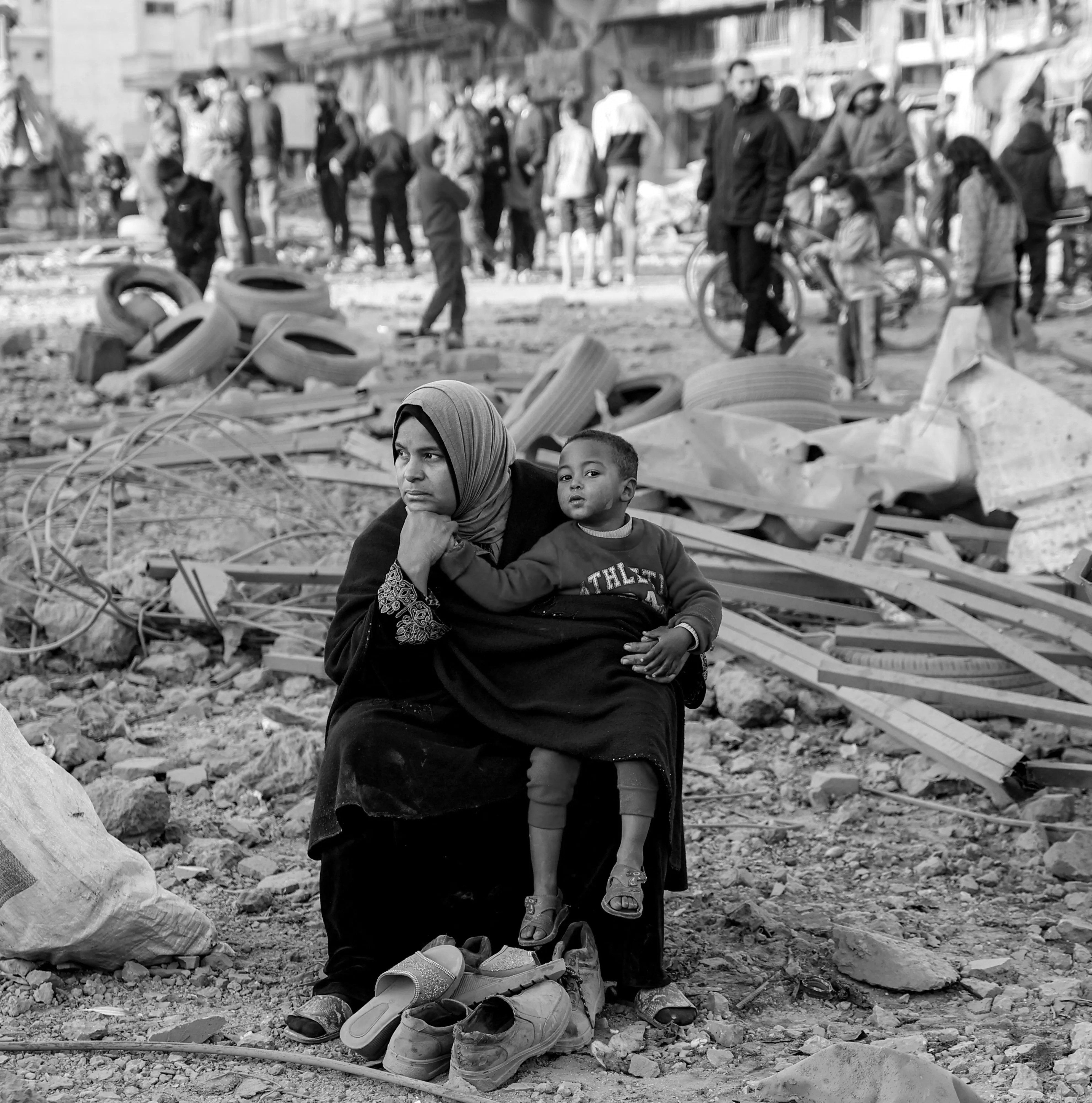
Reconstruction is equally urgent and essential. Gaza needs investment to restore housing, healthcare, water, electricity, sanitation and other basic services. Yet reconstruction requires security, humanitarian access and predictable governance—conditions that remain fragile.
The proposed political pathway is broader still. The plan envisages Gaza’s reconstruction and reintegration alongside a credible route toward Palestinian self-determination and a two-state solution. But Netanyahu has opposed Palestinian statehood, creating a major gap between the plan’s stated political horizon and Israel’s current position.
Mladenov has warned that continued Israeli strikes could undermine the entire process. He argues that attacks may not prevent Hamas from rearming but instead delay demilitarization and obstruct civilian transition. Continued violence also makes Palestinians less likely to believe the war is ending.
His warning is stark: if the ceasefire collapses, Gaza could face renewed destruction, deeper radicalization and a “point of no return”, leaving little political or physical foundation for reconstruction.