
Geneva talks test fragile Iran-US diplomacy as Israel pushes for broader security deal
Iran and the United States are preparing for a second round of indirect talks on Tehran’s nuclear programme next week in Geneva, according to the Swiss Foreign Ministry. The negotiations will again be facilitated by Oman, which hosted the first round on February 6.
The renewed engagement comes at a time of heightened military and political pressure, with US President Donald Trump warning that failure to reach an agreement would be “very traumatic” for Iran. Trump has also ordered the deployment of the aircraft carrier USS Gerald R. Ford to the Middle East, underscoring Washington’s readiness to use force if diplomacy collapses.
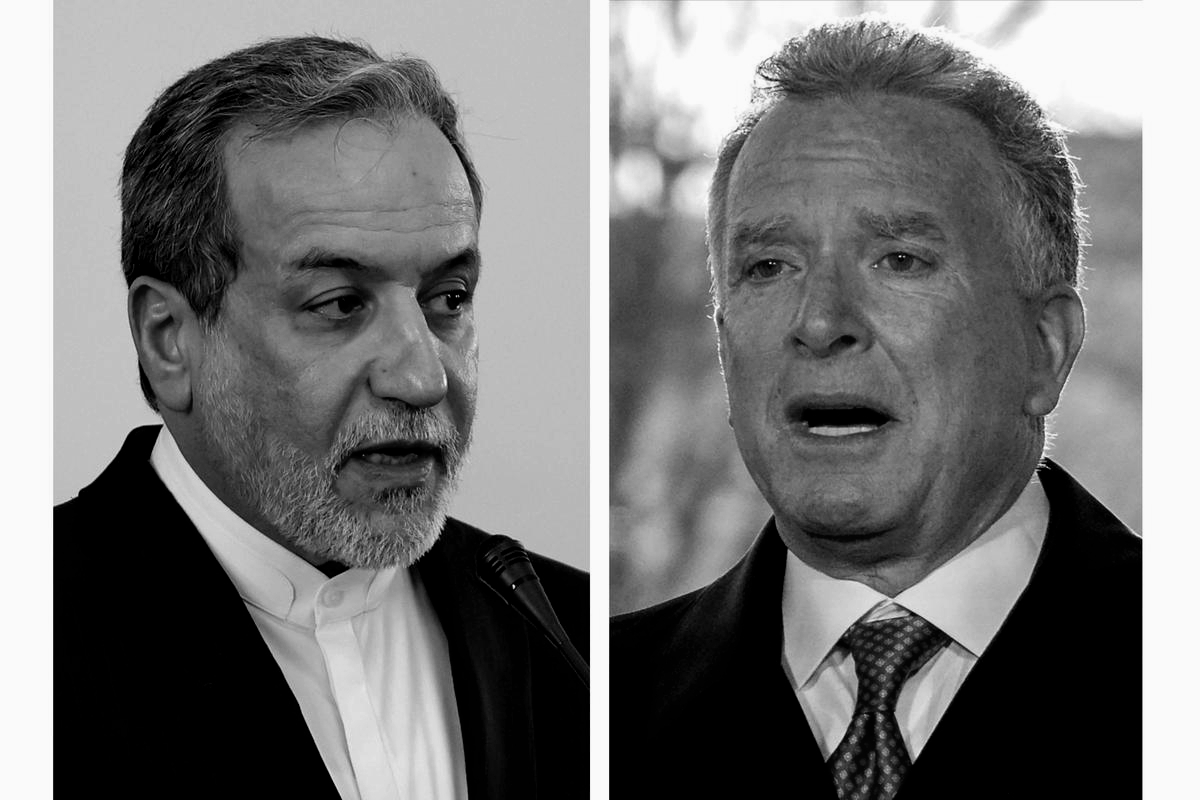
The initial talks involved Iranian Foreign Minister Abbas Araghchi and US Middle East envoy Steve Witkoff , with senior US military officials present for the first time.
The Trump administration has made clear that its central demand is the complete halt of Iran’s uranium enrichment activities. US officials insist that Iran must not be allowed to maintain any enrichment capability under a future agreement, arguing that Tehran’s past enrichment of uranium up to 60 per cent purity places it dangerously close to weapons-grade levels .
Washington is also seeking stricter verification measures and a restoration of full access for international inspectors. The US views the talks as a test of whether Iran is willing to accept tougher limits in exchange for sanctions relief and reduced military pressure.
Iran has reiterated that its nuclear programme is intended for peaceful purposes and has said it is “ready for any kind of verification.” However, Tehran has firmly rejected the US demand for zero enrichment, calling it a red line in the negotiations.
Iranian officials want the talks to focus exclusively on the nuclear issue, without expanding into regional security or missile development. Tehran is expected to push for guarantees that any agreement reached will not be abandoned by future US administrations, a key concern after previous negotiations collapsed.
The International Atomic Energy Agency has been unable for months to fully inspect and verify Iran’s nuclear stockpile, a gap that both sides acknowledge must be addressed if a deal is to move forward.
Israel has emerged as a key external stakeholder shaping the diplomatic environment. Prime Minister Benjamin Netanyahu , who met Trump in Washington this week, has pressed for any agreement to go beyond nuclear limits and include curbs on Iran’s ballistic missile programme and its support for armed groups such as Hamas and Hezbollah .
Israeli officials argue that a narrow nuclear deal would leave Iran free to expand its regional influence and military capabilities. Israel has previously carried out strikes against Iranian-linked targets and has warned it will not allow Tehran to acquire nuclear weapons under any circumstances.
Across West Asia, Gulf Arab nations and regional governments have voiced concern that US military threats against Iran could ignite a wider conflict. Several countries have warned that any direct attack on Iran risks spiralling into another regional war, destabilising energy markets and worsening existing crises in Gaza, Lebanon and the Red Sea.
Regional leaders have called for restraint and renewed diplomacy, urging Washington and Tehran to avoid escalation and prioritise negotiations. Oman and Switzerland’s continued mediation reflects a broader push within the region to prevent confrontation and preserve stability.
The second round of talks follows the collapse of similar negotiations last year, which broke down amid escalating hostilities and a brief but intense war involving Israel and US strikes on Iranian nuclear sites. Trump has since renewed his rhetoric, suggesting that a change in power in Iran “would be the best thing that could happen,” further raising tensions.
With both sides entrenched on key demands and Israel pressing for broader security concessions, the Geneva talks are seen as a crucial test of whether diplomacy can still contain one of the Middle East’s most volatile disputes or whether the standoff will drift closer to military confrontation.