
Glaw Lake Becomes Arunachal Pradesh’s First Ramsar Site, India’s 101st Wetland
Glaw Lake in Arunachal Pradesh’s Lohit district has been recognised as the state’s first Ramsar Site and India’s 101st wetland of international importance, marking a historic milestone for biodiversity conservation in the Eastern Himalayas. The recognition announced by Union Environment Minister Bhupender Yadav has placed the pristine Himalayan lake on the global map of protected wetlands.
Arunachal Pradesh Chief Minister Pema Khandu welcomed the designation, calling it a proud moment in the state’s ecological conservation journey. He said the Ramsar recognition would strengthen biodiversity conservation, promote sustainable livelihoods, and inspire future generations to protect the region’s priceless natural heritage. He also expressed gratitude to Prime Minister Narendra Modi and Environment Minister Bhupender Yadav for supporting the initiative.
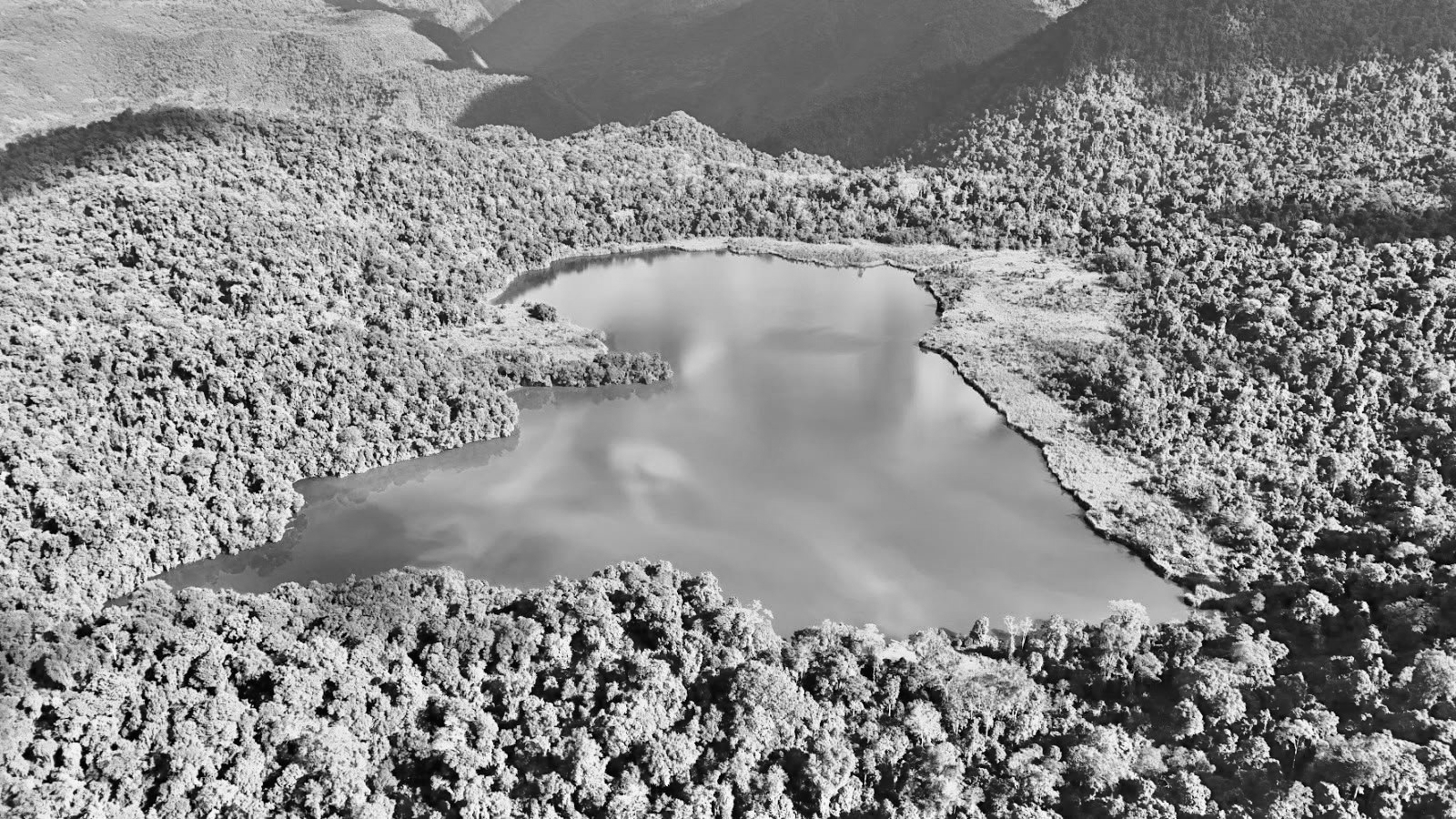
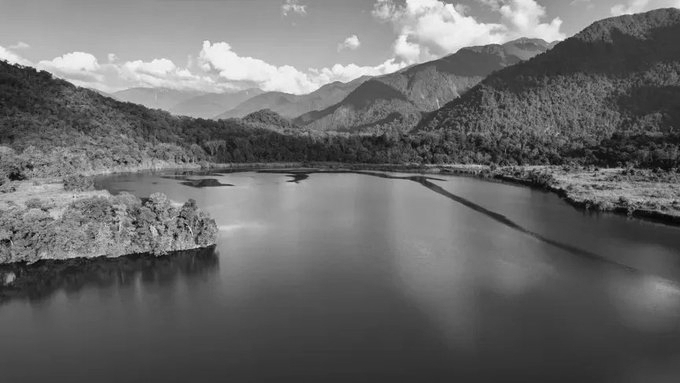
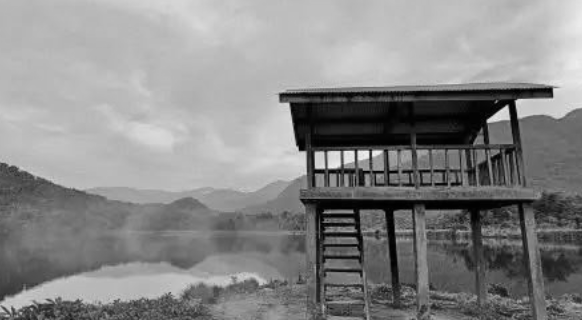
Hidden deep inside the Eastern Himalayas, Glaw Lake is a breathtaking high altitude freshwater paradise surrounded by untouched forests, mist-covered mountains, and a landscape that reflects the raw beauty of Arunachal Pradesh. Located within the Kamlang Tiger Reserve and Wildlife Sanctuary, the lake resembles a natural jewel nestled among dense primary forests, with crystal clear waters reflecting the green canopy, Himalayan peaks, and changing shades of the sky.
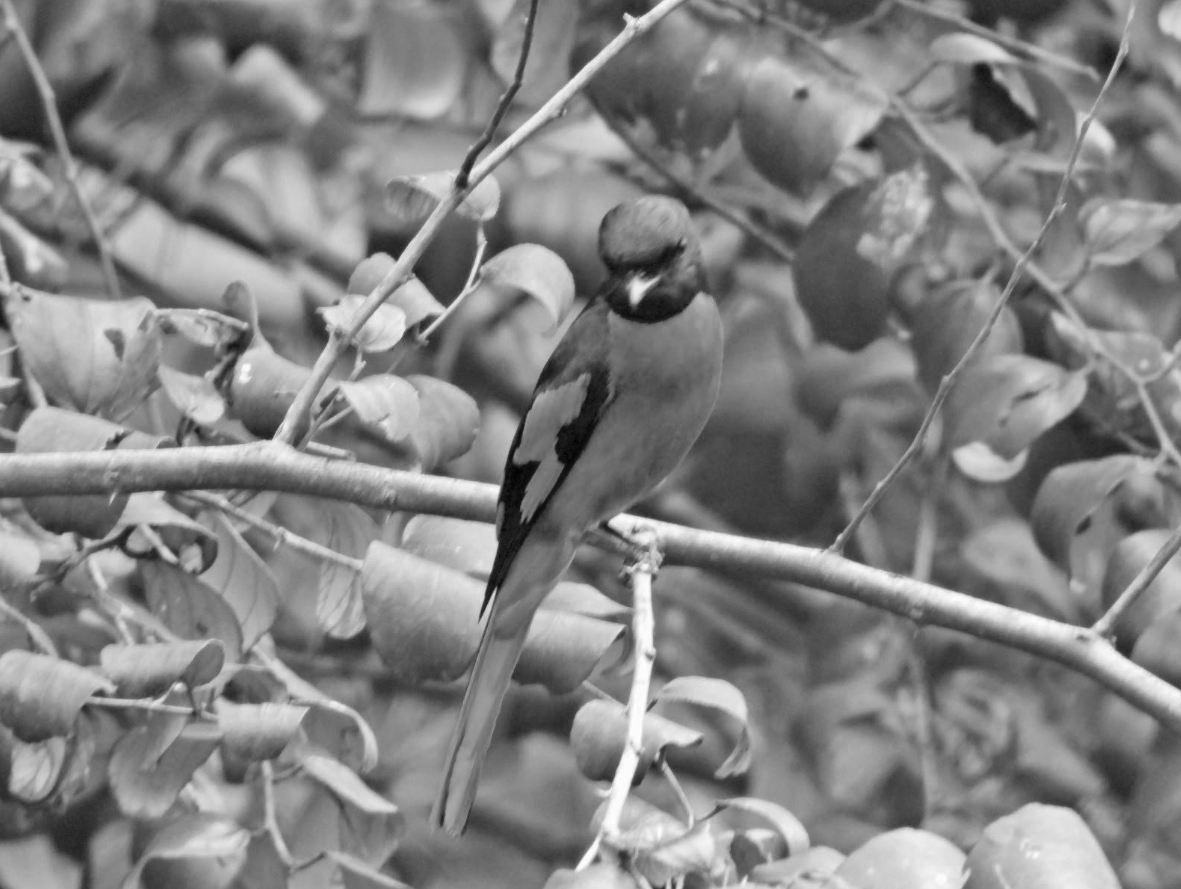
Fed by perennial mountain streams, the serene wetland remains one of the region’s most pristine ecosystems. The surrounding forests are home to remarkable biodiversity, including more than 150 tree species and 49 orchid species, making Glaw Lake a crucial habitat for several species of flora and fauna. The combination of lush forests, flowing streams, cool mountain climate, and untouched wilderness makes the lake an important ecological and scenic treasure.
The Ramsar status is expected to bring stronger conservation measures, scientific research, regular monitoring, and international technical support for protecting this fragile ecosystem. Officials said the recognition will also help develop regulated community led eco tourism, creating green livelihood opportunities for indigenous communities living around Lohit district while ensuring environmental protection.
Beyond its natural beauty, Glaw Lake plays a vital ecological role by supporting local hydrology, maintaining downstream water flows, and contributing to carbon storage. The international recognition will improve opportunities for conservation funding and long term ecosystem management.
The Ramsar Convention, adopted in Ramsar, Iran, in 1971, provides a global framework for the conservation and sustainable use of wetlands. With Glaw Lake joining the list, India’s Ramsar network has expanded to 101 sites, reflecting the country’s growing commitment to protecting critical wetland ecosystems.