

Gollala Mamidada: The Village of Sky-High Gopurams and Enduring Devotion
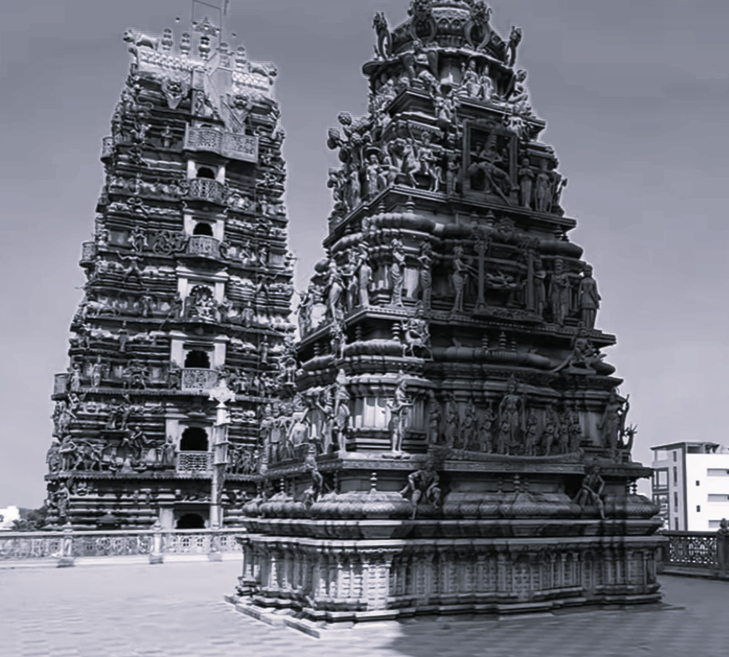
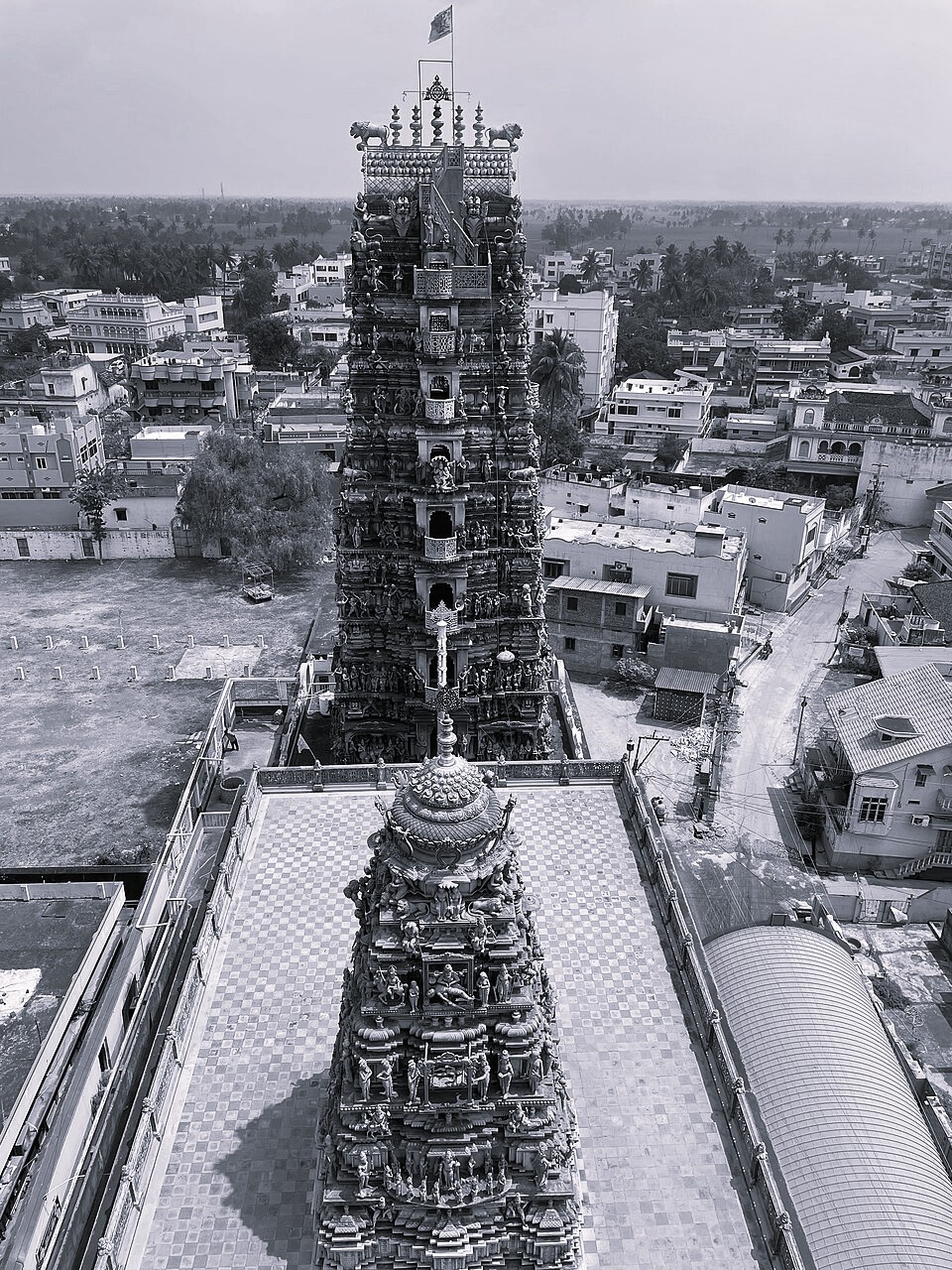
Amid the lush greenery of Andhra Pradesh's celebrated Konaseema region , the village of Gollala Mamidada offers a rare blend of spirituality, history, architecture and natural beauty. Located in Kakinada district along the sacred Tulyabhaga River , this tranquil settlement is home to some of the most striking temple towers in the state. Rising high above coconut groves and paddy fields, these majestic structures have earned the village its popular title "Gopurala Mamidada," or the Village of Gopurams.
For devotees, it is a sacred pilgrimage destination. For architecture enthusiasts, it is a treasure trove of artistic excellence. For travellers, it is a place where culture, devotion and nature come together in perfect harmony.
From a Humble Shrine to a Revered Pilgrimage Centre
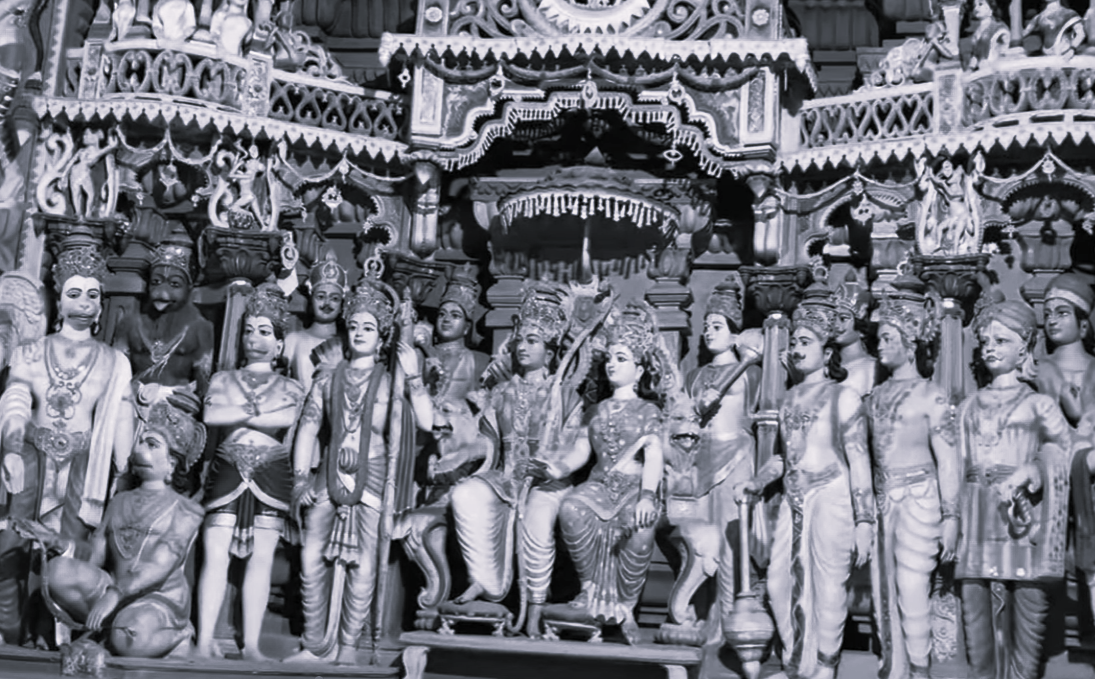
At the centre of this spiritual landscape stands the revered Sri Kodandarama Swamy Temple , one of the most prominent Rama temples in coastal Andhra Pradesh. The temple's journey began in 1889 , when local philanthropists and brothers Dwarampudi Subbireddy and Ramireddy dedicated a portion of their land to construct a modest shrine. The temple initially housed wooden idols of Lord Rama, Sita and Lakshmana , but what started as a humble place of worship gradually evolved into one of the region's most celebrated religious landmarks.
Over the decades, the devotion of local residents and visiting pilgrims transformed the shrine into a magnificent temple complex. Today, the temple stands not only as a centre of worship but also as a symbol of the community's enduring faith and commitment.
The Gopurams That Define a Village
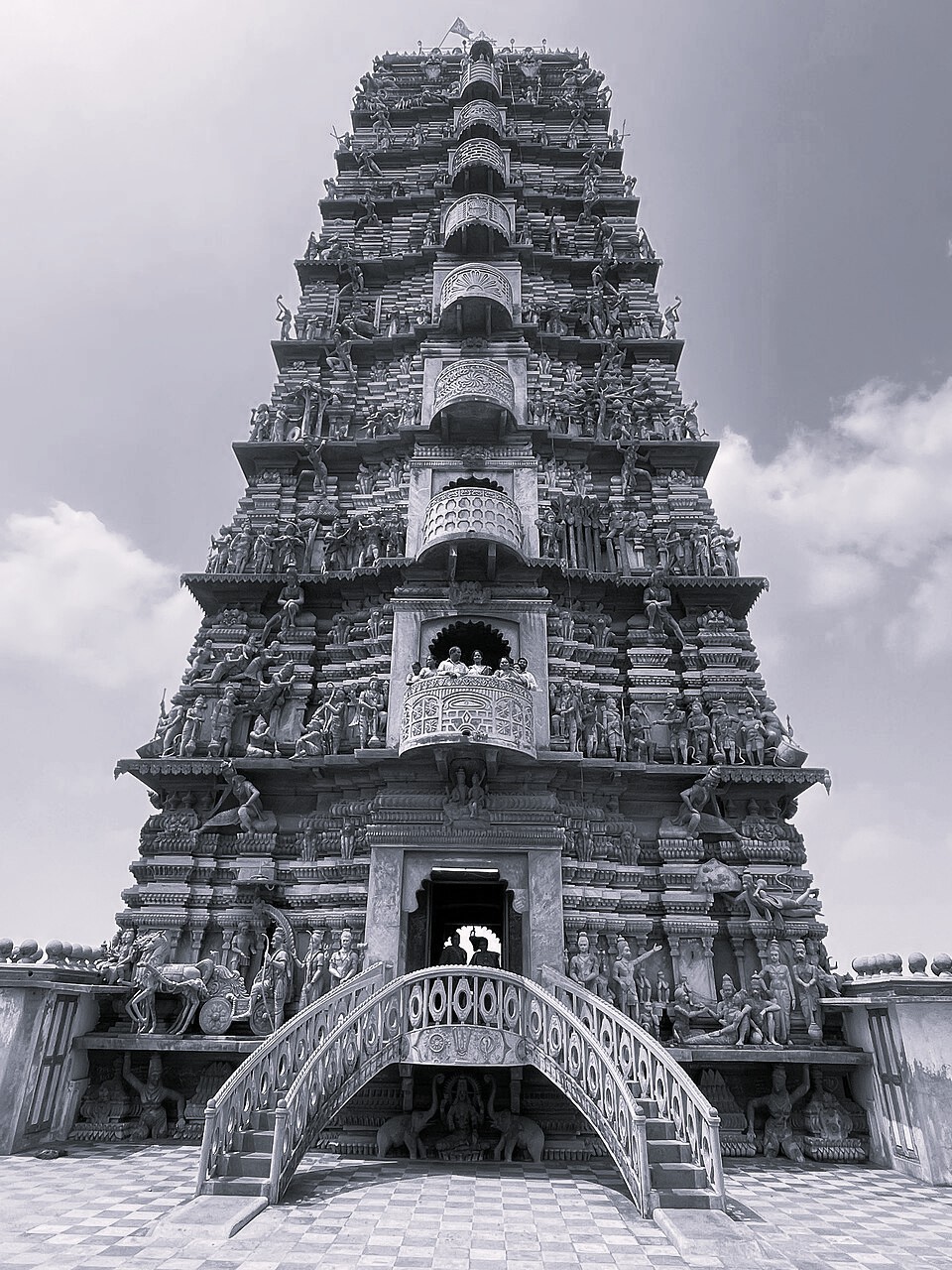
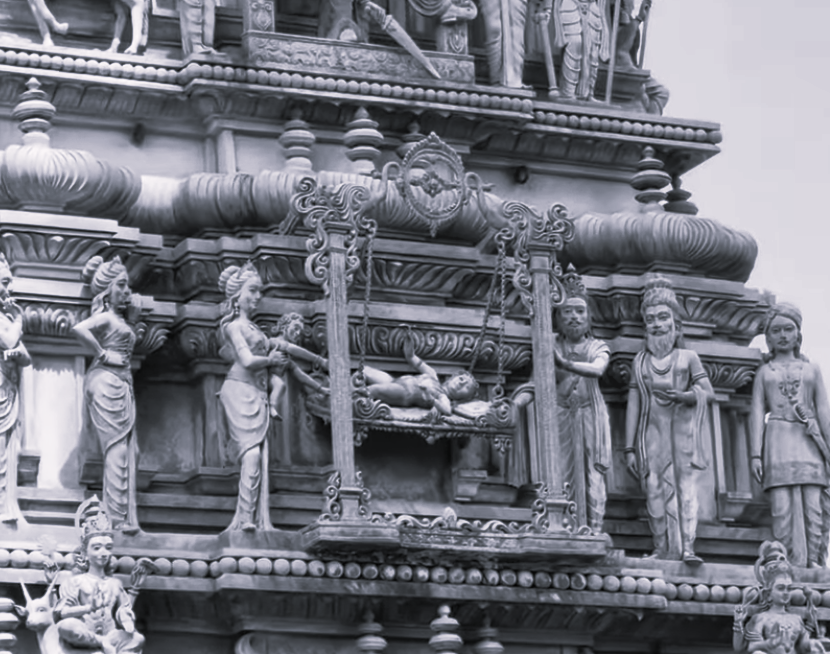
The eastern gopuram rises to nearly 160 feet across nine storeys , while the imposing western gopuram soars beyond 200 feet with eleven levels , making it one of the tallest temple towers in Andhra Pradesh. Constructed in the traditional Dravidian architectural style , these towers are adorned with thousands of intricately carved sculptures depicting episodes from the Ramayana , Mahabharata and Bhagavatam .
Every tier of the gopurams narrates a different chapter from India's sacred epics. The sculpted figures, mythological scenes and intricate motifs transform the towers into a visual archive of Hindu tradition. Their grandeur is the primary reason the village came to be popularly known as "Gopurala Mamidada."
A Panoramic View of Konaseema
One of the most memorable experiences at the temple is climbing the nearly 300 steps that lead to the upper levels of the gopurams. From the top, visitors are greeted by panoramic views of Konaseema's enchanting landscape.
Endless stretches of coconut plantations, lush paddy fields and winding waterways spread across the horizon, offering a breathtaking perspective of one of Andhra Pradesh's most picturesque regions. The scenic beauty complements the spiritual atmosphere, making the climb a rewarding experience.
Why It Is Called 'Chinna Bhadrachalam'
The temple's significance extends far beyond its architectural grandeur. It is widely known as "Chinna Bhadrachalam" or Little Bhadrachalam because of the magnificent manner in which Sri Rama Navami celebrations are conducted here.
Every year, thousands of devotees gather for the nine-day festival, culminating in the grand Sita-Rama Kalyanam . The celebrations are regarded among the most important Rama Navami observances in Andhra Pradesh and have helped establish the temple as one of the foremost centres of Rama worship in coastal Andhra.
Adding to the temple's prestige is the tradition of the state government presenting ceremonial silk garments to the deities during the annual festivities, a recognition of the shrine's cultural and religious importance.
The Enchanting Mirror Hall
Another remarkable attraction within the temple complex is the Addala Mandapam , or Mirror Hall, constructed in 1975 above the sanctum. Unlike conventional temple halls, this unique structure is decorated with reflective surfaces that create a dazzling visual experience.
The hall houses the temple's processional deities and features artistic depictions of Sri Rama Pattabhishekam . The interplay of mirrors, lights and sacred imagery leaves visitors spellbound, making it one of the most distinctive features of the shrine.
The Sacred Presence of the Tulyabhaga River
The spiritual aura of Gollala Mamidada is further enhanced by its association with the Tulyabhaga River , which local tradition regards as an antarvahini , or underground-flowing sacred stream.
Water from the river is believed to reach the temple tank, where devotees take ritual baths before offering prayers. The river's presence contributes to the serene atmosphere that defines the village and reinforces its spiritual identity.
A Prominent Sun Temple in Coastal Andhra
Yet Gollala Mamidada is not known solely for its Rama temple. The village is also home to the renowned Sri Suryanarayana Swamy Temple , another important pilgrimage destination.
Established in 1920 by Kovvuri Basivireddy , the temple is regarded as one of Andhra Pradesh's most significant Sun temples after Arasavalli . Surrounded by coconut groves and verdant fields, the shrine presents a picturesque setting that often reminds visitors of Kerala's temple landscapes.
Daily rituals are conducted according to established Sri Vaishnava traditions , while major festivals such as Ratha Saptami and Bhishma Ekadashi attract large numbers of devotees from across the state.
Festivals, Faith and Community Service
Religious traditions continue to flourish in Gollala Mamidada. Daily prayers, scriptural recitations, special rituals and charitable activities remain integral to temple life.
During major festivals, thousands of devotees are served through annadanam , reflecting the enduring spirit of service that has long been associated with the temples. The management also works continuously to improve facilities for pilgrims arriving from different parts of Andhra Pradesh and beyond.
More Than a Pilgrimage Destination
Located about 20 kilometres from Kakinada , the village is easily accessible from Rajamahendravaram , Amalapuram and other nearby towns. In recent years, it has emerged not only as a pilgrimage centre but also as a destination for heritage tourism, photography and cultural exploration.
The towering gopurams, intricate sculptures, mirror hall and serene rural surroundings offer visitors an opportunity to experience both the artistic and spiritual dimensions of Andhra Pradesh's rich heritage.
A Living Legacy of Faith and Art
Rising above the tranquil plains of Konaseema, the temples of Gollala Mamidada stand as magnificent reminders of Andhra Pradesh's rich spiritual and artistic legacy. Their towering gopurams, intricate sculptures, sacred traditions and serene surroundings continue to inspire devotion and admiration in equal measure.
For those seeking a journey through faith, history, architecture and culture, this remarkable village offers an experience that lingers long after the visit has ended. Even after more than a century, the sacred village of Gopurala Mamidada continues to preserve and celebrate a legacy that connects generations through devotion, craftsmanship and timeless tradition.