
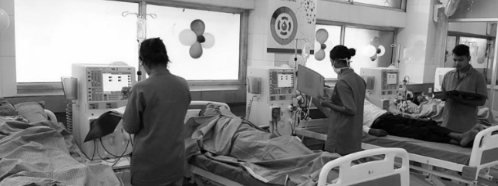
Government Expands Free Dialysis Access to 751 Districts Under PMNDP
The Pradhan Mantri National Dialysis Programme (PMNDP) has expanded its reach across the country, with free haemodialysis services now available through 1,856 centres in 751 districts, including 44 linked districts, the Union Health Ministry said on Tuesday.
The programme, implemented across all 36 States and Union Territories, currently has 13,535 haemodialysis machines, according to data reported by the States and UTs as of June 30, 2026.
Launched to improve access to dialysis care, the PMNDP seeks to establish dialysis facilities in district hospitals and other public health facilities and provide free dialysis services to eligible patients.
Union Minister of State for Health and Family Welfare Prataprao Jadhav provided the details in a written reply in the Rajya Sabha.
The Centre supports States and UTs through the National Health Mission (NHM) by providing technical and financial assistance to strengthen healthcare infrastructure, including dialysis services. While public health and hospitals are state subjects, the Centre works with states to expand and improve access to treatment.
Dialysis centres are established based on proposals submitted by States and UTs through their annual Programme Implementation Plans, prepared after assessing local infrastructure and service gaps. These proposals are considered by the National Programme Coordination Committee before approvals are conveyed.
The Health Ministry also conducts periodic reviews through Common Review Missions and visits by senior officials to monitor implementation. Any non-operational centres identified during such reviews are brought to the attention of the concerned state or UT for corrective action.
The responsibility for making centres operational on time, ensuring adequate staffing and deploying trained dialysis technicians rests with the respective state or UT governments and implementing partners, wherever engaged.
The expansion is aimed at bringing life-sustaining dialysis treatment closer to patients, particularly those who depend on regular haemodialysis and may otherwise face significant travel and treatment costs.