
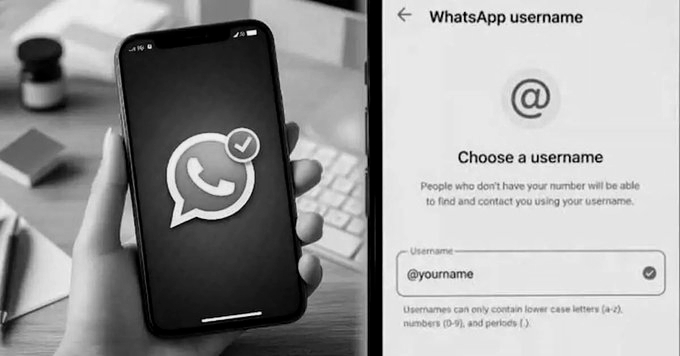
Government Puts WhatsApp Username Rollout on Hold, Meta Issues FAQs to Address Concerns
The Central government has stepped up its scrutiny of WhatsApp's proposed username feature , directing Meta not to introduce it in India until consultations are completed and seeking a detailed explanation within three days . The move comes amid concerns that the feature could be misused for online fraud, phishing, digital arrest scams, and impersonation .
In its notice, the government said allowing users to communicate without sharing phone numbers could make it easier for cybercriminals to target victims. It also warned that usernames resembling those of individuals, government agencies, banks or financial institutions could enable identity spoofing. The notice cites provisions of the Information Technology Act and the IT Rules, 2021 , including intermediary due diligence obligations, and says authorities are examining whether existing laws allow restrictions on the feature if it poses risks to public safety or national security .
As regulatory scrutiny intensified, WhatsApp released a detailed FAQ explaining how the feature will work and dismissing several claims circulating online. The company clarified that usernames are optional, not publicly searchable , and are intended to enhance privacy by allowing users to connect without revealing their phone numbers, particularly in group chats and conversations with new contacts.
WhatsApp also rejected reports that users have already reserved popular or high-profile usernames. It said names linked to public figures, celebrities, government entities, and verified Meta accounts have been protected and can only be claimed by their legitimate owners. Similar-looking variations have also been reserved to reduce impersonation attempts.
The company outlined additional safeguards, including limits on messages from new accounts, systems to detect abusive behaviour, protections against repeated username guessing, and alerts showing whether a first-time sender is a new account, an existing contact, a mutual group member, or is messaging from another country. It also said users can enable an optional "username key" , requiring both the username and the key before someone can initiate contact.
The planned feature has sparked debate between privacy advocates and cybersecurity experts, with critics warning that lookalike usernames could still become a tool for scams if verification measures prove inadequate. With over 500 million users , India remains WhatsApp's largest market , making the government's decision crucial for the feature's future rollout.