
Grateful To Indian Friends: Russia Welcomes India’s 3-Part Russia-Ukraine Truce Plan
Russia has welcomed India’s proposal for a three-part truce between Moscow and Kyiv, with the Kremlin expressing gratitude to New Delhi for its efforts to help resolve the Ukraine conflict as attacks continue to escalate on land and in the Black Sea.
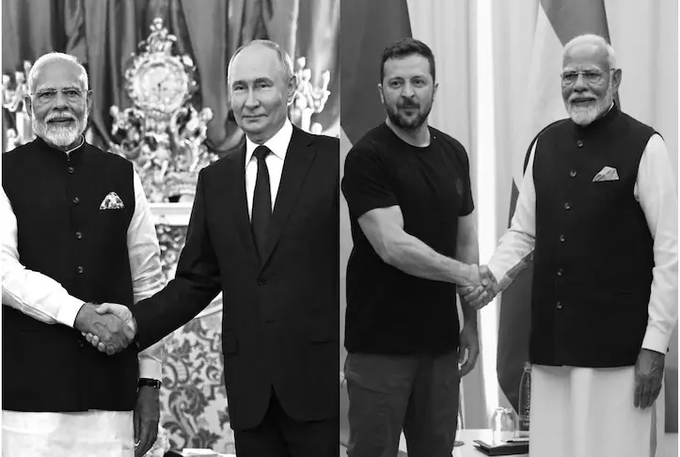
Kremlin spokesperson Dmitry Peskov said Russia was grateful to its “Indian friends” for their readiness to contribute to efforts to resolve the conflict and for the ideas put forward by New Delhi. Moscow’s response came as India confirmed that it is holding conversations with both Russia and Ukraine on a proposal aimed at reducing the immediate risks created by the war.
India’s proposal has three key elements. First, it calls for an end to attacks on energy facilities and other critical infrastructure. Second, it seeks to keep grain and energy supplies moving through Black Sea ports. Third, it calls for an end to attacks on commercial shipping in the Black Sea, an increasingly dangerous theatre of the war.
The proposal is broader than separate ceasefire initiatives put forward by Turkey, Egypt and the United States because it combines energy infrastructure, essential commodity flows and commercial shipping under one framework. Ukraine’s Foreign Minister Andrii Sybiha has described India’s proposal as the broadest among four proposals currently under consideration by Kyiv.
Sybiha said Ukraine was prepared to consider an energy and Black Sea truce, but insisted that any agreement should cover attacks on energy and port infrastructure as well as the wider security situation in the Black Sea. Kyiv has also indicated that it remains open to a broader ceasefire along the frontline.
India’s initiative comes as the war enters another dangerous phase, with Russia launching a major overnight missile and drone barrage across Ukraine. Ukrainian President Volodymyr Zelenskyy had warned shortly before the strikes that Moscow was preparing a major attack. The subsequent barrage hit areas across the country, damaging residential and critical infrastructure and causing casualties.
The escalation has also increasingly spilled into the Black Sea, putting civilian and commercial vessels at risk.
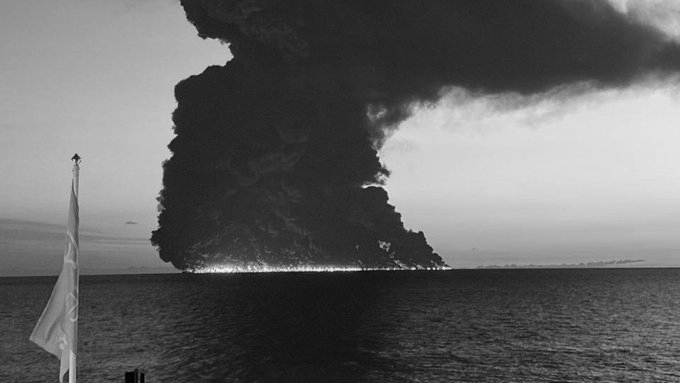
In one of the latest incidents, a Liberian-flagged tanker carrying 23 Indian crew members caught fire after what Russian authorities described as an attack by an unmanned vessel off Russia’s Black Sea coast. Russian emergency services later rescued all members of the crew, with no injuries reported.
The attacks on commercial vessels in the Black Sea have added urgency to India’s call to keep shipping out of the crossfire. Two ships were hit in Bulgaria’s exclusive economic zone, with one, the Alfa, sinking after an explosion and another catching fire, while Bulgaria has not assigned responsibility, Zelenskyy has blamed Russia and Moscow has denied involvement.
The disruption is also affecting India’s trade, with a planned 20,000-tonne Russian sunflower oil shipment cancelled and around 60,000 tonnes of other cargoes delayed. Against this backdrop, India has proposed stopping attacks on energy and critical infrastructure, protecting commercial shipping and keeping grain and energy moving through Black Sea ports, while holding discussions with both Moscow and Kyiv.