
Heavy Rain Triggers Landslide on Vaishno Devi Track, Shrine Board Launches Clearance Drive
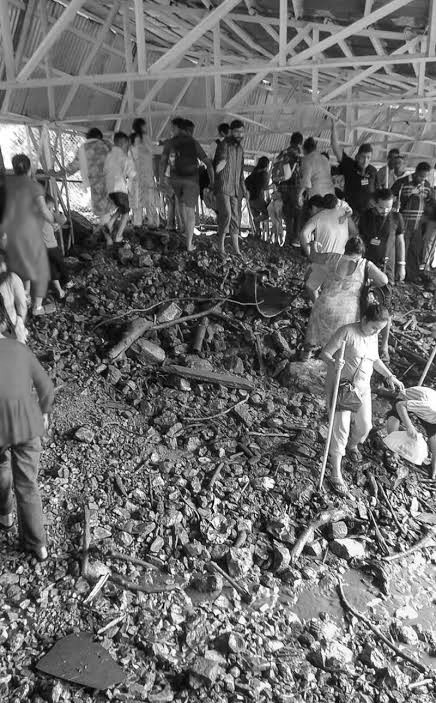
A rain-triggered landslide struck the Vaishno Devi pilgrimage track atop the Trikota Hills in Jammu and Kashmir's Reasi district on Wednesday evening, temporarily disrupting movement on part of the route. While the incident led to the suspension of the battery car service , the annual pilgrimage to the revered shrine continued without interruption , with devotees using the alternative route.
According to officials, the landslide occurred near Himkoti on the new track leading to the shrine after heavy rainfall lashed the region. The sudden fall of debris blocked a section of the pathway, prompting authorities to act swiftly to ensure the safety of pilgrims and restore normal operations.
The Shri Mata Vaishno Devi Shrine Board immediately deployed men and heavy machinery to the affected site to clear the accumulated debris. Restoration work began soon after the landslide, with officials closely monitoring the weather and ground conditions to prevent any further risks.
As a precautionary measure, the battery car service operating on the affected stretch was temporarily suspended until the route could be declared safe for travel. However, officials clarified that the pilgrimage itself was not halted , as devotees continued their onward and return journeys through the old track , which remained fully operational.
Despite the challenging weather conditions, hundreds of pilgrims continued their trek to the shrine, underscoring the resilience and devotion that characterize one of India's most visited religious destinations. Authorities also urged visitors to remain cautious, follow official advisories, and cooperate with personnel managing the pilgrimage.
Officials said efforts to clear the debris and restore services were progressing on priority. They assured devotees that all necessary safety measures were in place and that the situation remained under constant surveillance. The Shrine Board is expected to resume the battery car service once engineers certify the affected stretch as safe for public movement, subject to weather conditions.