
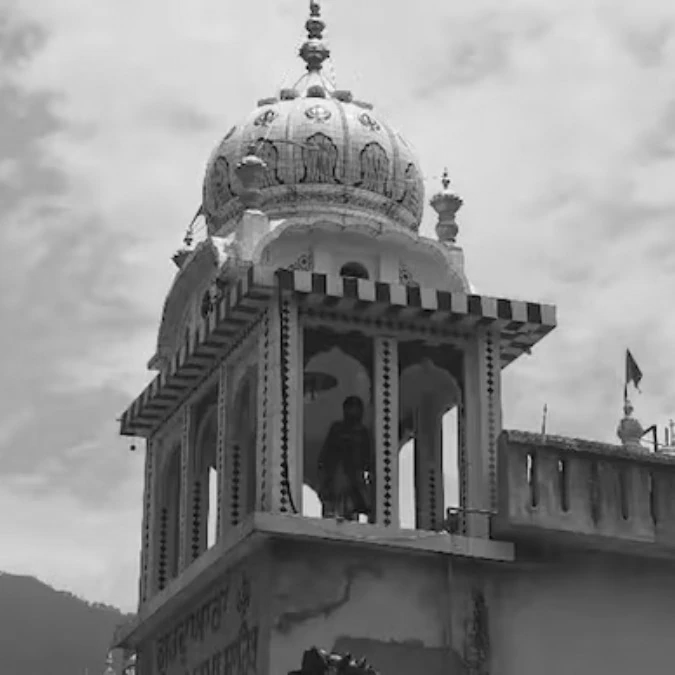
Historic Lahore Gurdwara Reopens For Worship For First Time Since Partition
A historic Sikh gurdwara in Lahore, Pakistan, has reopened for religious worship for the first time since the 1947 Partition, ending a 79-year hiatus. Gurdwara Chhevin Patshahi Sri Guru Hargobind Sahib, located on Temple Road, reopened on Sunday following the completion of restoration work, with members of the Sikh community and Pakistani officials attending a ceremony conducted according to Sikh religious traditions.
Sardar Ramesh Singh Arora, Punjab's Minister for Minorities Affairs and president of the Pakistan Sikh Gurdwara Parbandhak Committee, announced that the restoration was complete and the shrine was now open for worship. He said more than 50 gurdwaras across Pakistan were undergoing renovation to preserve Sikh religious heritage and improve facilities for pilgrims.
Evacuee Trust Property Board Secretary Nasir Mushtaq said the restoration would provide better worship facilities for the Sikh community while preserving Lahore's historical and religious heritage for future generations.
The historic shrine is associated with Guru Hargobind Sahib (1595–1644), the sixth of the 10 Sikh Gurus, who is revered as a warrior-saint for strengthening the Sikh community's ability to defend itself against religious oppression.
According to Sikh historical accounts, Guru Hargobind Sahib visited Lahore after accepting an invitation from the local Sikh congregation, known as the Sangat. He stayed for three days at the home of his devotee Bhai Jiwan, who subsequently converted his residence into a gurdwara.
The shrine is also associated with Bhai Bidhi Chand, a Sikh preacher and military commander who visited Lahore twice to recover horses seized by the then Mughal governor. The horses had been brought as offerings for Guru Hargobind Sahib. Historical accounts say Bhai Bidhi Chand retrieved them in separate missions by disguising himself as a grass seller and an astrologer before returning them to the Guru.
The local Sikh congregation extended the gurdwara's hall in 1915. In 1921, following allegations of misconduct against its caretaker, Mahant Hari Singh, the Sangat took over its management and formed a local committee. The Shiromani Gurdwara Parbandhak Committee (SGPC) assumed administrative control of the shrine in 1927.
However, regular Sikh worship ended following the Partition of India in 1947. Sikh historical accounts record that several members of the community were killed while defending the sanctity of the shrine during the violence surrounding Partition.