

Houthis Target Saudi Airports As War Forces Gulf Oil To Find New Shipping Routes
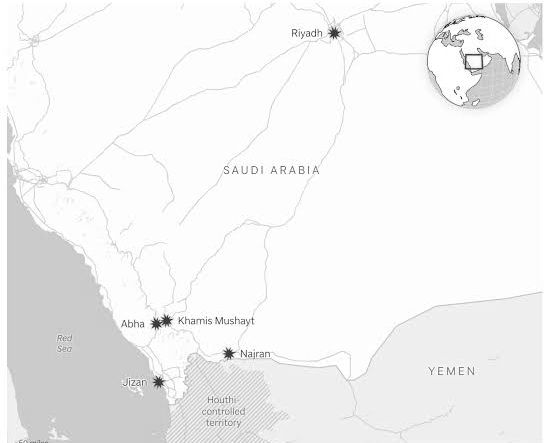
The latest Houthi attacks targeted Riyadh, with the group claiming it fired ballistic missiles and drones at King Khalid International Airport. It also claimed attacks on Abha airport, the Khamis Mushait airbase and military positions in Jazan and Asir. Saudi authorities said air defences intercepted incoming missiles, while Houthi claims of multiple successful hits and Saudi military casualties.
The Houthis also attacked Aden International Airport with ballistic missiles and explosive-laden drones on Wednesday. Aden is the de facto seat of Yemen's Saudi-backed government. Yemen's Transport Ministry confirmed the attack, although the full extent of the damage remained unclear.
On the ground, government forces backed by Saudi air power are advancing along Yemen's western coast. The main battlefront is the Bab al-Mandab Strait. The waterway has become even more important after the wider regional conflict disrupted traffic through the Strait of Hormuz.
Saudi-backed forces say they have pushed the Houthis out of several coastal positions and retaken areas around the strait. Yemen's government has also claimed control of Mocha, a strategically important Red Sea port with an airport. The Houthis have disputed the claim, fighting is continuing in nearby areas, including al-Waziyah in Taiz province, which is important for controlling access to Mocha.
Two other fronts are crucial. In Saada, a Houthi stronghold, a senior rebel figure acknowledged that defensive lines had been breached but said the gaps were being sealed. In Taiz, Yemen's second-most populous city, government forces are trying to break the Houthi siege. Fierce fighting has been reported in the surrounding districts.
The biggest economic risk is oil. The disruption around Hormuz and the growing importance of Bab al-Mandab have forced Gulf producers and shipping companies to find increasingly complicated ways of moving crude. About 40% of regional crude is now being transported without passing through Hormuz, compared with 17% before the war. Pipelines, alternative ports and ship-to-ship transfers have become critical.
Saudi Arabia has been using ship-to-ship transfers off Oman's Sohar and other locations, allowing crude to be moved between vessels outside the most dangerous sections of the route. Tankers can also travel along routes protected by the US military. Washington has established a southern shipping corridor near Oman, with US air and naval forces providing protection to selected vessels. Earlier reports said 15-20 tankers were using the protected corridor on some nights, moving millions of barrels of oil into global markets.
These workarounds have helped prevent a complete collapse in supply, but they are expensive. Freight and insurance costs have surged, tanker availability has become a major constraint and some vessels have switched off tracking systems or changed ships offshore. More than 70% of crude that crossed Hormuz in August changed tankers, compared with almost none before the war.
That is why oil prices remain elevated despite the recovery in physical shipments. Brent crude recently moved above $100 a barrel, reaching around $102 in early October, as traders continued to price in the risks around Gulf supply routes.
The humanitarian cost is already severe. More than 200,000 people have been displaced since the latest escalation, with further fighting around populated areas and critical ports threatening to worsen an already devastating crisis.