
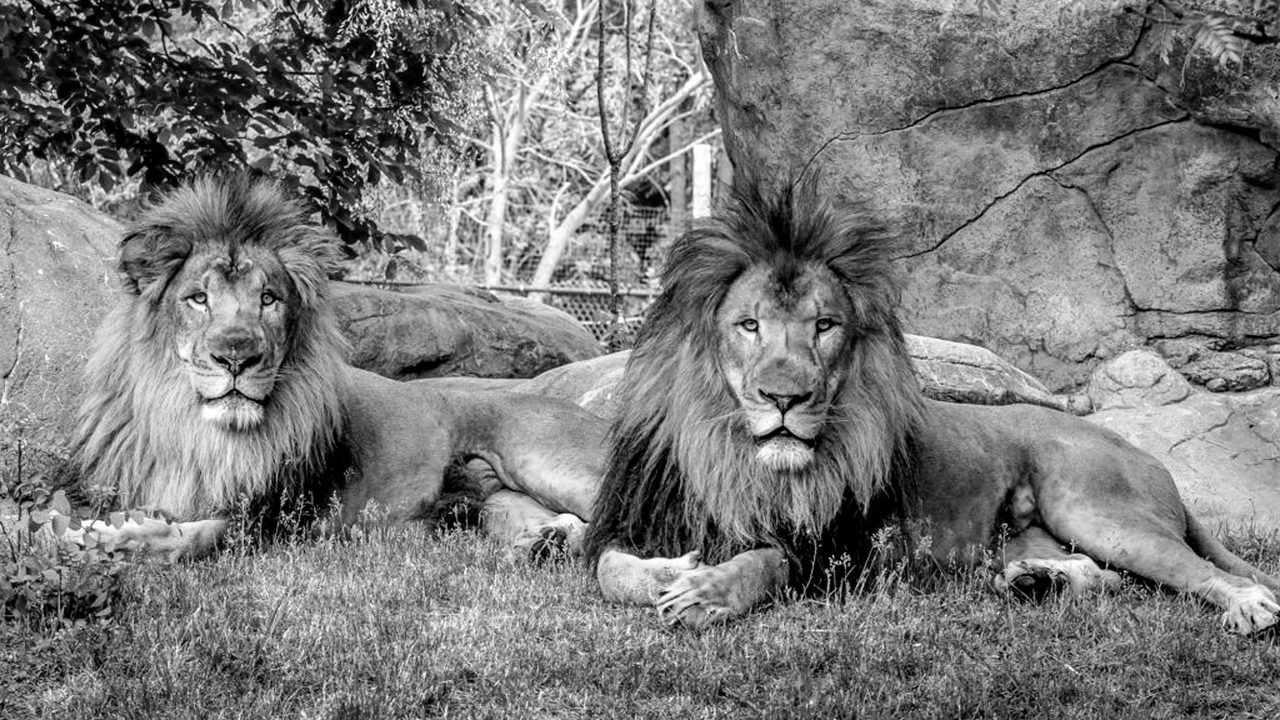
Hyderabad - Jamshedpur Lion Exchange Strengthens India’s Zoo Conservation Efforts
The arrival of African lions Manohar and Sridevi at the Tata Steel Zoological Park in Jamshedpur marks a significant step in India’s coordinated zoo-based conservation strategy . Transferred from Hyderabad’s Nehru Zoological Park under an approved animal exchange programme , the nine-year-old pair are expected to play a vital role in strengthening captive breeding and enhancing genetic diversity within the zoo’s lion population.
The relocation was conducted in accordance with the guidelines of the Central Zoo Authority (CZA) , the statutory body that regulates zoo management and promotes wildlife conservation under the Wildlife (Protection) Act. The CZA encourages scientific breeding , proper animal welfare standards, and planned exchanges between zoos to maintain sustainable captive populations . By facilitating such transfers, the authority aims to prevent inbreeding , improve genetic resilience, and support long-term ex-situ conservation of wildlife species.
Animal exchange programmes are a critical tool in modern zoo management. Under these arrangements, institutions exchange animals based on scientific recommendations, enclosure suitability, and veterinary preparedness. In this instance, Jamshedpur transferred two male mandrill monkeys to Hyderabad, helping diversify primate representation there while strengthening its own big-cat population . Such collaboration reflects a nationwide effort to improve species management and conservation outcomes.
Tata Steel Zoological Park currently houses three aging African lions Jumbo, Edd, and Zoya all around 14.5 years old and resident since 2012. With Manohar and Sridevi in their prime breeding age , zoo authorities aim to establish a younger, genetically viable lion population. Maintaining genetic diversity is essential in captive breeding programmes, as it reduces the risk of hereditary disorders, improves reproductive success, and strengthens disease resistance. The introduction of new bloodlines ensures long-term sustainability and healthier offspring.
Hyderabad’s Nehru Zoological Park, one of India’s leading zoological institutions, plays an important role in national conservation networks through breeding programmes, veterinary expertise, and scientific wildlife management. Its participation in the exchange underscores the collaborative approach adopted by Indian zoos to meet conservation and animal welfare goals.
Following standard protocol, the lions have been placed under a mandatory 40-day quarantine period. During this time, veterinary teams are closely monitoring their health, dietary adjustment, behavioural responses, and acclimatisation to Jamshedpur’s climate and enclosure environment. Quarantine procedures are essential to prevent disease transmission and ensure a stress-free transition before animals are introduced to their new habitat.
Once cleared, the lions will be moved to their designated enclosures and introduced to visitors. Zoo officials expect the new arrivals to significantly boost visitor engagement and educational outreach. African lions remain among the most popular zoo animals worldwide, and their presence provides an opportunity to raise awareness about wildlife conservation, habitat loss, and the importance of protecting biodiversity.
Established in 1994 and located within Jubilee Park, Tata Steel Zoological Park is home to hundreds of animals and plays an important role in conservation education and environmental awareness in eastern India. The addition of Manohar and Sridevi reinforces the zoo’s commitment to conservation-oriented management while strengthening its position within India’s collaborative wildlife protection network.
Through scientific breeding, inter-zoo cooperation, and public education, the arrival of the new lions reflects a broader shift in India’s zoos from exhibition spaces to centres dedicated to conservation, sustainability, and ecological awareness.