
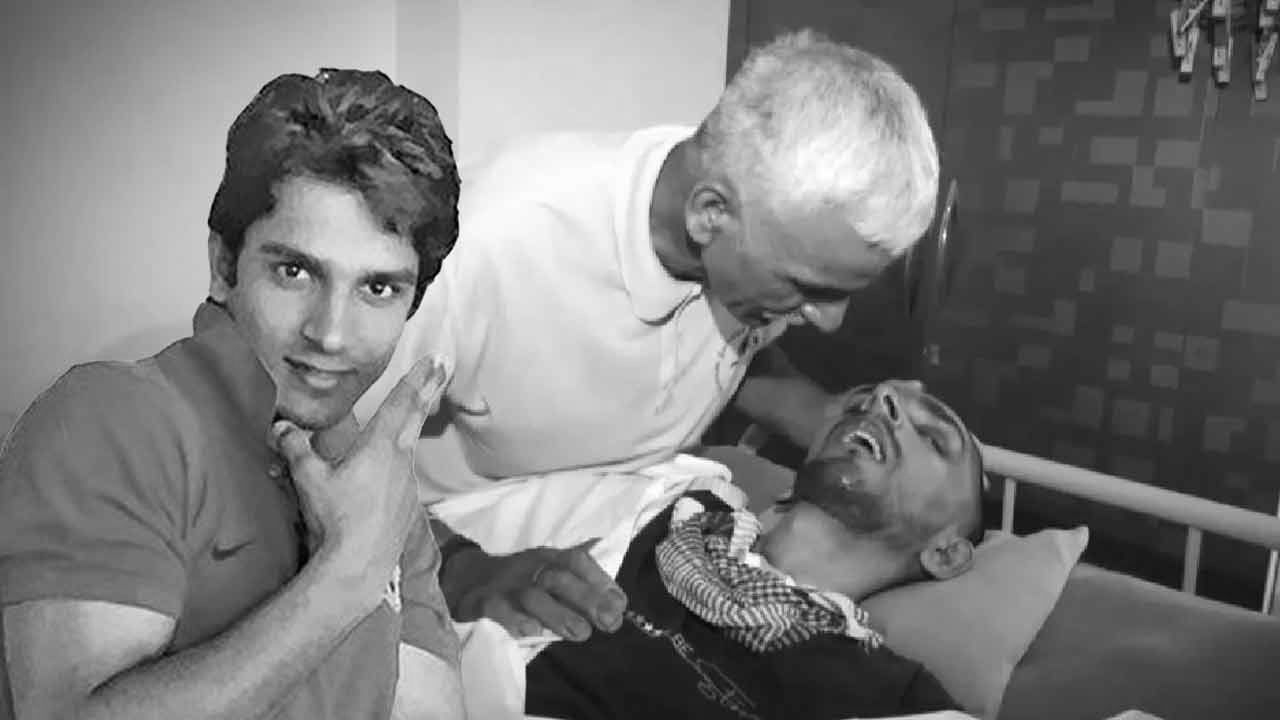
In landmark first, SC allows passive euthanasia for 32-year-old in 12-year coma, judge moved to tears
In a landmark and emotionally charged decision, the Supreme Court of India on Wednesday permitted passive euthanasia for a 32-year-old man who has remained in a permanent vegetative state for more than 12 years , allowing doctors to withdraw artificial life support under strict medical supervision.
The order came in the case of Harish Rana , a Ghaziabad native and former student of Panjab University, who suffered catastrophic brain injuries in 2013 after falling from the fourth floor of his paying guest accommodation in Chandigarh. Since then, Rana has remained in a coma with almost no chance of recovery, surviving only through medical assistance. A bench comprising Justice J B Pardiwala and Justice K V Viswanathan directed the All India Institute of Medical Sciences (AIIMS), New Delhi , to admit Rana to its palliative care unit so that life-sustaining treatment can be withdrawn through a carefully designed medical plan that preserves dignity and minimises suffering.
The hearing itself reflected the emotional weight of the case. According to accounts from the courtroom, Justice Pardiwala was visibly moved and had tears in his eyes while interacting with Rana’s parents and examining the medical reports that described their son’s condition as irreversible.
Reflecting on the profound moral dilemma surrounding life and death, the bench cited the famous existential question from William Shakespeare’s “Hamlet” — “To be, or not to be.” The judges noted that such questions about existence and suffering have troubled humanity for centuries. The court also referred to the words of American preacher Henry Ward Beecher , who wrote: “God asks no man whether he will accept life. That is not a choice. You must take it. The only question is how.” The bench observed that the quote captures the difficult ethical choices involved in end-of-life decisions.
Euthanasia has long been a deeply debated issue in India , raising questions about medical ethics, religion and personal autonomy. The dilemma also entered popular culture through the 2010 film “Guzaarish”, which portrayed a paralysed man seeking the legal right to die with dignity. Legally, the ruling flows from the Supreme Court’s 2018 Common Cause judgment , which recognised the right to die with dignity under Article 21 and allowed passive euthanasia under strict safeguards, including approval by medical boards and advance medical directives or living wills .
In 2023, the apex court simplified euthanasia guidelines , making the process easier for families and hospitals while maintaining strict medical oversight. The ruling built on the 2018 Common Cause vs Union of India case , which formally recognised the doctrine of living wills , allowing individuals to express in advance their wish to refuse life-sustaining treatment.
The issue had earlier captured national attention in the Aruna Shanbaug case , where the court recognised passive euthanasia in principle but declined to withdraw life support. In the present case, AIIMS medical boards found Harish Rana’s neurological damage irreversible , with virtually no chance of recovery, making withdrawal of life support both legally and ethically permissible under the updated framework.
The judgment is widely seen as a landmark step in India’s evolving approach to end-of-life care , striking a delicate balance between preserving life and upholding the constitutional promise of dignity in death .