
India Hits Back at USCIRF Over RSS Sanctions Call, Calls Panel Biased
India has strongly rejected remarks by senior officials of the US Commission on International Religious Freedom (USCIRF) calling for sanctions against the Rashtriya Swayamsevak Sangh (RSS) and urging Washington to withhold high-level diplomatic courtesies from its leaders, with New Delhi questioning the commission’s credibility and accusing it of pursuing its own agenda.
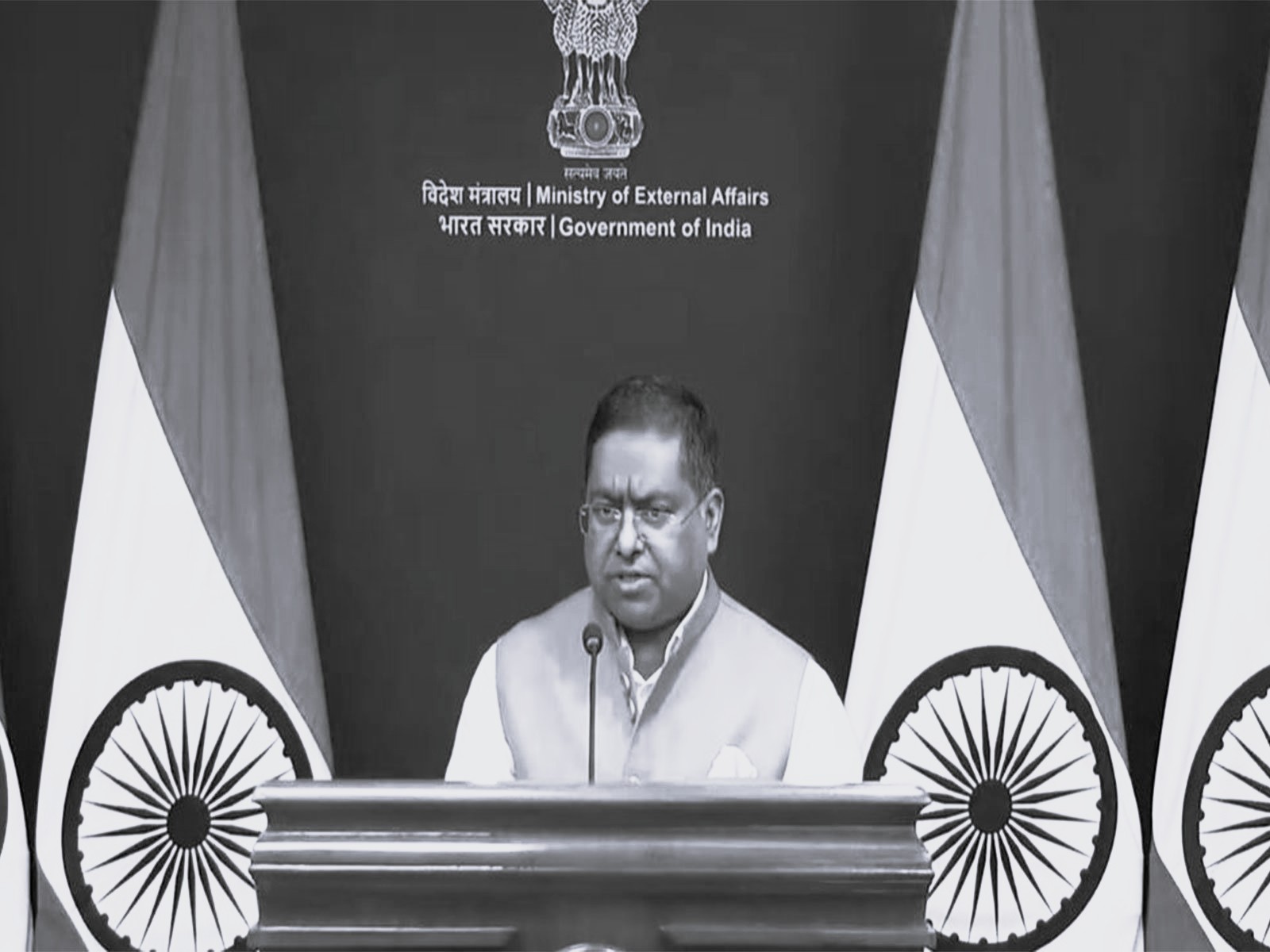
Responding at his bi-weekly media briefing on Friday, External Affairs Ministry spokesperson Randhir Jaiswal described USCIRF as a “biased” organisation that has repeatedly made what he called disparaging and inflammatory remarks about India. He said the organisation should be kept away from, arguing that it has its own agenda and lacks credibility.
The response came after USCIRF Chair Asif Mahmood described the RSS as an umbrella organisation whose affiliated groups have allegedly carried out attacks against religious minorities, including Christians and Muslims. Commissioner Gene Mills separately urged the US government not to honour RSS leaders with high-level meetings or diplomatic courtesies and instead consider sanctions against members found responsible for alleged freedom of religion or belief violations. The remarks came ahead of RSS chief Mohan Bhagwat’s planned US visit.
The confrontation follows USCIRF’s 2026 Annual Report, released in March, which again recommended that India be designated a “Country of Particular Concern” (CPC) under the International Religious Freedom Act. The report also called for targeted sanctions against individuals and entities, specifically naming the RSS and Research and Analysis Wing (R&AW) over alleged severe religious-freedom violations.
USCIRF is an independent, bipartisan US federal commission established under the 1998 International Religious Freedom Act. It monitors religious-freedom conditions overseas and makes recommendations to the US President, Secretary of State and Congress. Importantly, its recommendations do not themselves impose US sanctions.
New Delhi had rejected the annual report earlier, calling its portrayal of India motivated, biased and selective. The latest exchange therefore adds another point of friction to the broader India-US relationship, with religious freedom remaining a recurring area of disagreement between the two sides.