
India Pushes to Turn Scientific Discoveries into Market-Ready Technologies
India is seeking to accelerate the journey from scientific discoveries to commercially viable products, with the government urging researchers, startups and industries to deliver measurable technological outcomes within three years. The initiative highlights the need to bridge the gap between laboratory research and practical applications that benefit society.
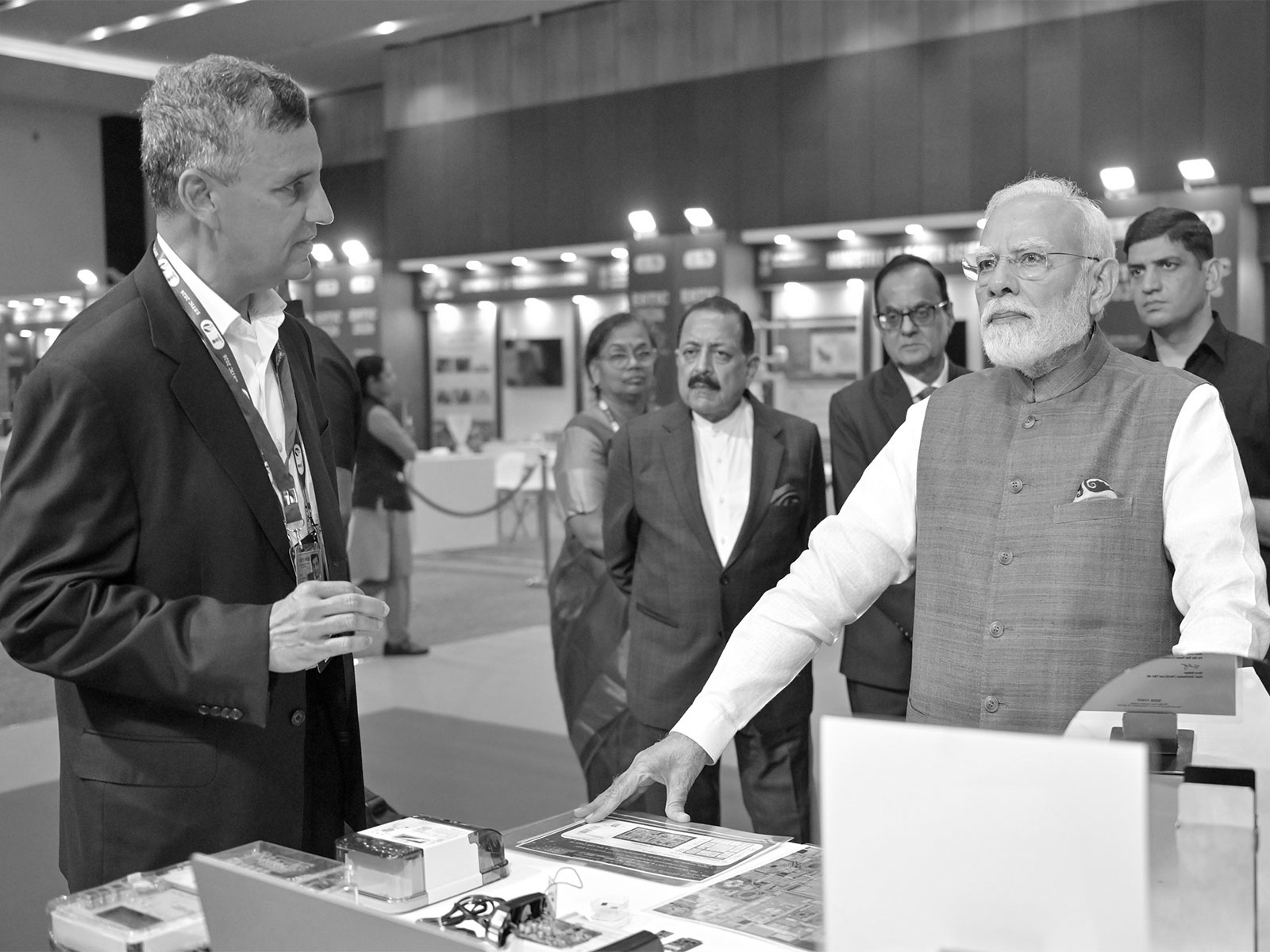
At the Emerging Science, Technology and Innovation Conclave (ESTIC) 2026, Prime Minister Narendra Modi called on the scientific community to ensure that research translates into scalable technologies addressing real-world challenges. The emphasis is on strengthening India's technological self-reliance while improving its competitiveness in emerging fields such as artificial intelligence, semiconductors, biotechnology and advanced manufacturing.
However, several challenges can prevent scientific breakthroughs from reaching the market. A technology that performs successfully in laboratory conditions may require extensive testing and refinement before it can operate reliably in real-world environments. Developing prototypes, validating performance and ensuring safety can also increase costs and extend timelines.
Funding remains a major hurdle, particularly for deep-tech startups developing technologies that require years of research before generating revenue. Although early-stage grants may support scientific exploration, additional investment is often necessary for product development, manufacturing and commercial expansion. Scaling up production also requires specialised equipment, reliable supply chains and access to advanced testing facilities.
Another challenge is the limited collaboration between academic institutions and industry. While researchers may develop promising innovations, businesses must assess their commercial viability, affordability and market demand. Without effective partnerships, intellectual property licensing and technology-transfer arrangements, many discoveries struggle to progress beyond the research stage.
Regulatory approvals and lengthy testing procedures can further delay products in sectors such as healthcare and biotechnology. Meanwhile, dependence on imported components, shortages of specialised skills and uncertainty about customer demand can increase development risks.
To address these barriers, India needs sustained research funding, stronger university-industry partnerships, accessible incubation facilities, improved technology-transfer mechanisms and predictable regulatory processes. Pilot projects and public procurement can also help promising innovations demonstrate their effectiveness and attract investment.
The ₹1 lakh crore Research, Development and Innovation Fund is among the initiatives intended to encourage private-sector investment in research and innovation.
The three-year target is best understood as a push for defined milestones, including prototypes, validated technologies and pilot deployments, rather than a universal deadline for completing all scientific research. Fundamental discoveries may require considerably longer.
The broader objective is to establish a stronger pathway from laboratories to manufacturing and commercial adoption, ensuring that scientific progress contributes to economic development, employment and public welfare.