
India Records 7.8% Q1 GDP Growth as Modi, BJP Hail Economic Resilience
India recorded 7.8% real GDP growth in the April-June quarter of FY2026-27, beating the Reserve Bank of India’s 7% projection and reinforcing the government’s narrative of a resilient economy despite global uncertainty.
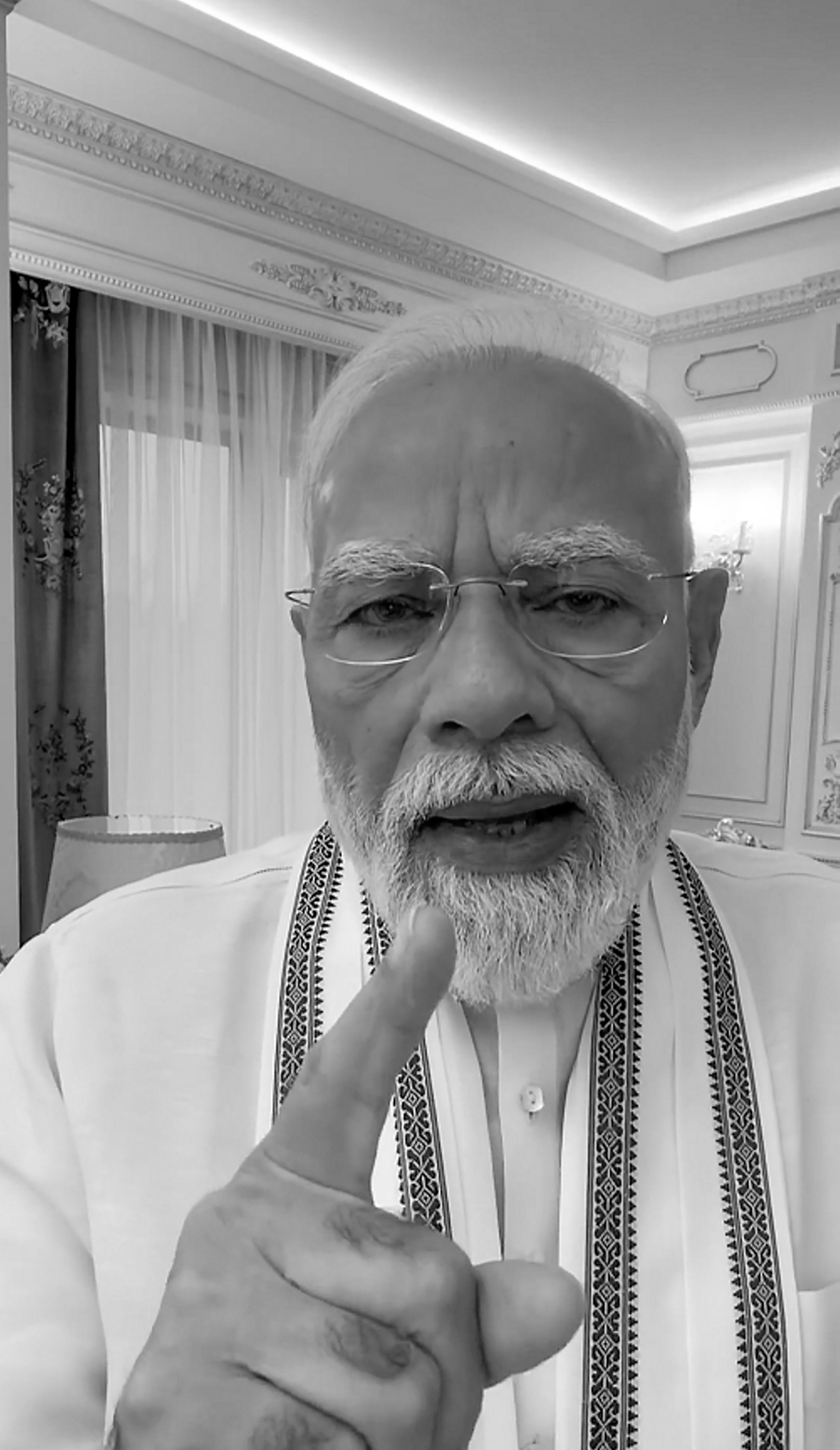
Prime Minister Narendra Modi welcomed the figures, crediting the collective efforts of citizens for the performance. He said India had maintained its growth momentum despite geopolitical tensions, economic instability, supply-chain disruptions and external shocks. Modi described the latest numbers as evidence of strengthening economic confidence.
In a video message, the Prime Minister also criticised what he described as a pessimistic campaign against the economy, referring to “jhooth ki goonj”. He urged Indians to sustain the momentum by supporting Swadeshi, local production and self-reliance. Modi called on citizens to reduce unnecessary spending abroad, including foreign holidays and overseas weddings, and encouraged them to choose domestic alternatives.
The latest data showed that growth was supported by several components of the economy. Real GVA expanded 8.2%, while investment increased 11.9%, household consumption rose 7.1% and exports climbed 12%. Manufacturing grew 9.2%, while the services-led tertiary sector expanded 10%.
BJP leader Ravi Shankar Prasad also praised the performance, attributing the growth to Modi’s leadership and the Centre’s economic management. He contrasted India’s current position with the economic challenges faced during the UPA period, arguing that the country had moved from the “fragile five” to one of the world’s fastest-growing major economies.
Prasad said the latest growth was particularly significant because it came amid global disruptions and uncertainty. The BJP maintained that the figures demonstrated the strength of India’s domestic economy and the effectiveness of government policies.
The government has linked the expansion to stronger investment, manufacturing, services, consumption and exports, while recent industrial and credit data indicate that economic activity has remained firm beyond the first quarter.