
India Targets $45-Billion Space Economy as Private Sector Participation Expands
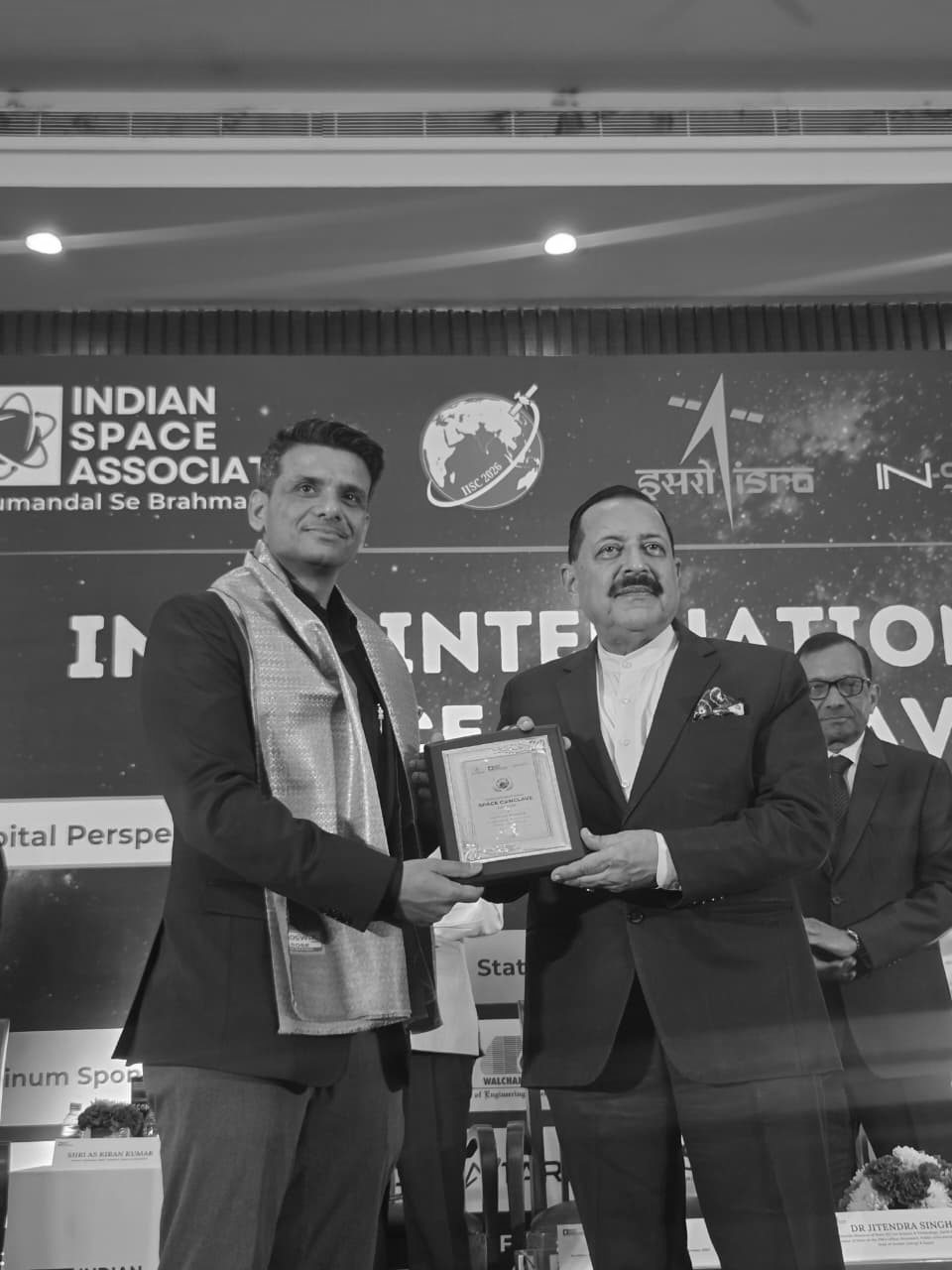
India's space economy, currently valued at nearly $9 billion, is projected to grow to $40–45 billion in less than a decade, with expanding private-sector participation, increased investments, indigenous manufacturing and international partnerships driving the transformation. The country's space ecosystem, which had only a handful of startups a few years ago, has expanded to nearly 400–500 companies, Union Science and Technology Minister Dr Jitendra Singh said on Tuesday at the fifth India International Space Conclave 2026 in New Delhi.
Organised by the Indian Space Association (ISpA) in collaboration with ISRO and IN-SPACe, the two-day conclave brought together policymakers, industry leaders, investors and representatives from nine countries under the theme "Orbital Perspectives 2026: Building a Globally Competitive and Sustainable Space Economy".
Dr Singh said the establishment of NewSpace India Limited (NSIL), creation of IN-SPACe and opening of the sector to private participation had transformed India's space industry. Government figures show around 440 registered space startups by August 2026, while private investment reached $618.5 million by March 31, 2026, nearly six times the 2021–22 level.
The Minister urged domestic companies to increase investments, attract overseas capital and direct more CSR funding towards scientific research. He highlighted applications of space technology under the PM Gati Shakti National Master Plan, including infrastructure planning, agriculture, communications, healthcare, railways and defence.
A major initiative discussed was the ₹1,200-crore Earth observation satellite constellation, involving PixxelSpace India, Dhruva Space, PierSight Space and SatSure Analytics India. The 12-satellite constellation, comprising optical, multispectral, hyperspectral and radar satellites, is targeted for operationalisation by 2029.
ISpA Director General Lt Gen A K Bhatt stressed that patient, informed capital was essential for Indian startups to become globally competitive. The conclave also witnessed MoUs involving ISpA, Switzerland's Space Systems Innovation Platform, IIT Tirupati, Chandigarh University, Pixxel, IIT Kanpur, CS Tech and Centum Electronics.
ISRO Chairman Dr V Narayanan announced that five PSLV missions had been assigned to the L&T-HAL consortium, with the first industry-built rocket targeted for the first quarter of 2027. He also said the Gaganyaan mission had entered its final preparation phase, with the rocket and major components ready and work continuing on the orbital module.
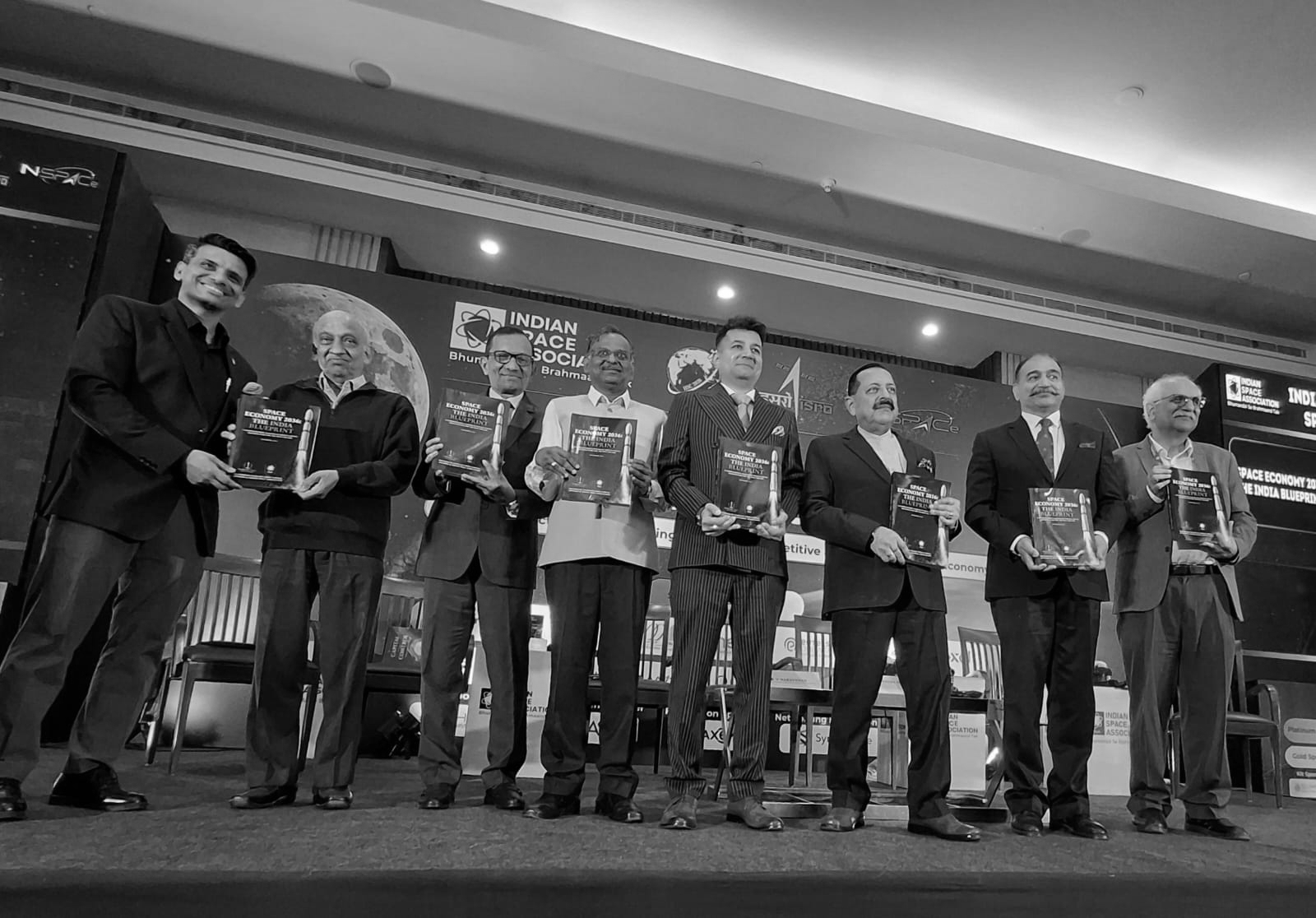
The conclave addressed satellite connectivity, spectrum management, Earth observation, space financing, regulatory reforms, orbital sustainability and international partnerships. Its 12 sessions covered six thematic pillars, while the release of Space Economy 2036: The India Blueprint reinforced India's ambition to build a $44-billion space economy by 2033, including $11 billion in exports, under IN-SPACe's decadal vision.