
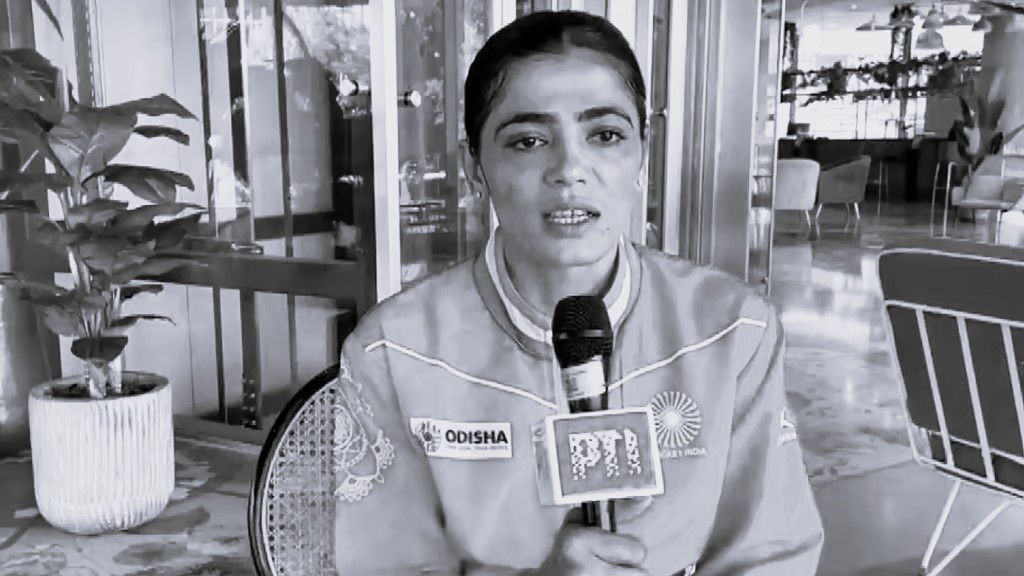
India Women’s Hockey Team Targets Asian Games Gold After Landmark World Cup Run
India’s women’s hockey team will enter the 2026 Asian Games in Japan with renewed confidence after a landmark World Cup campaign, but coach Sjoerd Marijne knows that stronger defence alone will not be enough to deliver the medal the team wants. India’s focus is now on converting its defensive solidity into more attacking opportunities and, crucially, finishing those chances in decisive stages of matches.
India won bronze at the 2022 Asian Games and will now target a brighter medal in Japan. The team’s preparations have received a major boost from its recent World Cup fifth-place finish, which ended a 52-year wait for India to finish among the tournament’s top five. India sealed that result with a 3-1 victory over Germany, after also holding higher-ranked China, England and Australia to draws during the campaign.
For Marijne, the World Cup was more than a result. It gave his players valuable experience against the world’s best and showed them that they can compete at the highest level. He now wants that confidence converted into consistency, with defensive discipline and attacking efficiency forming the foundation of India’s Asian Games preparations.
Marijne has stressed that defending must be a collective responsibility, requiring every player to remain disciplined and involved. At the same time, India needs to create more chances and improve its finishing. Small technical details, including positioning and defensive execution, could make a significant difference in tight matches.
Captain Salima Tete believes the team’s mentality has also changed. She says players now approach every match with the mindset of winning, while greater emphasis on body language and team culture has strengthened their approach. Tete accepts the pressure of leadership but intends to use it positively.
Veteran goalkeeper Savita Punia has similarly highlighted India’s defensive improvement and work on penalty corners. She pointed to the 3-1 win over Germany as evidence that the team can also break down well-organised defences. India’s disappointment after drawing with Australia, she suggested, became motivation rather than discouragement.
Forwards Lalremsiami and Navneet Kaur have identified the World Cup’s lessons, particularly the need to avoid small mistakes and become more effective in the end phase of matches.
After a demanding World Cup, India initially focused on recovery before travelling to Japan. The final preparation phase will emphasise intensity and high-intensity training.
With a blend of experience, youthful energy, stronger defence and growing belief, India will look to turn its World Cup progress into a podium finish—and potentially upgrade its 2022 bronze to gold.