



Indian Cargo Ship Sunk In Red Sea In The Widening US-Iran Conflict, All Onboard Rescued
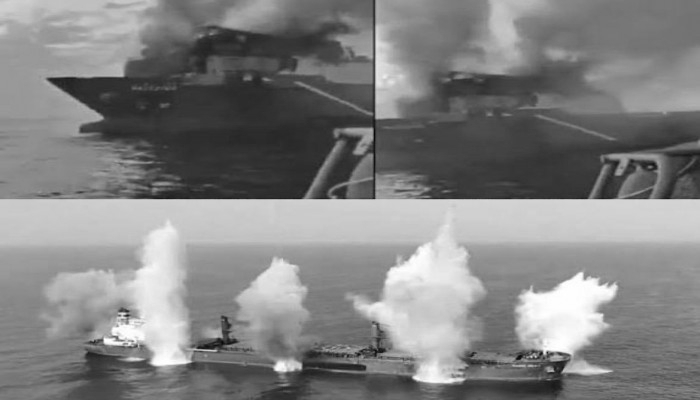
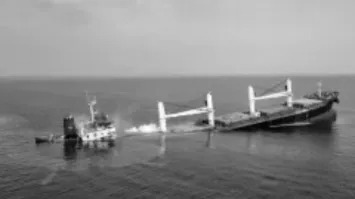
An Indian cargo ship, MSV Faize Noore Oliya, was sunk in the Red Sea after coming under attack amid the widening US-Iran conflict, with the vessel completely overturned before going down. The civilian ship had no military connection, and while all 13 Indian seafarers onboard were rescued safely, the incident has exposed the growing dangers faced by merchant sailors caught in conflicts they are not part of. The bigger question now is this: How many more Indian seafarers will have to sail through war zones before the world acts?
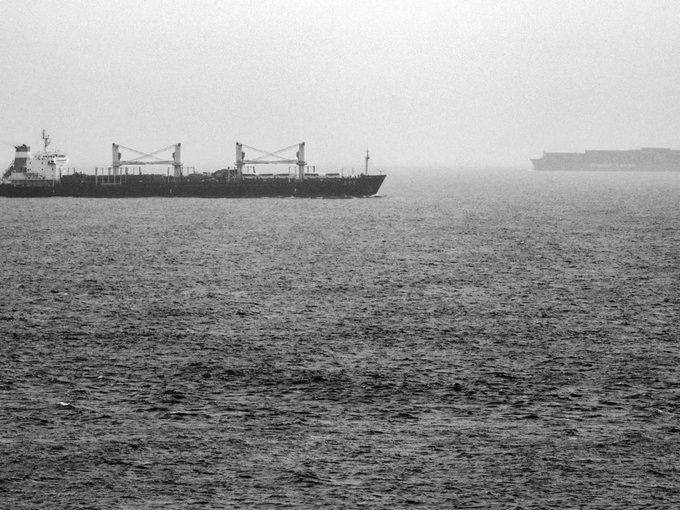
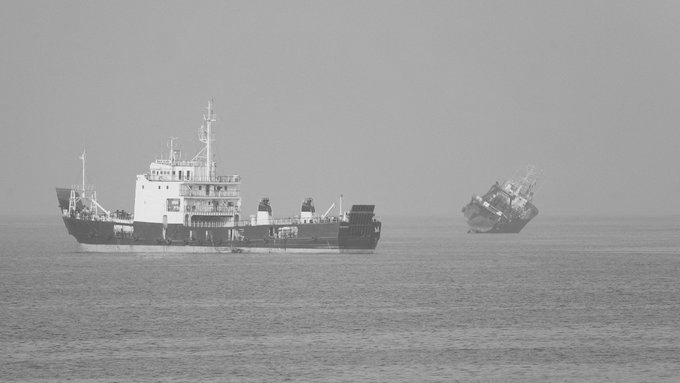
The MSV Faize Noore Oliya was attacked around 13 nautical miles south of Al Hudaydah, Yemen, reportedly by an explosive-laden boat. The vessel capsized and later sank. On board were 14 crew members, including 13 Indians and one Yemeni. All of them were rescued after a swift rescue operation involving a passing merchant vessel, with the Indian Navy closely monitoring the situation. The crew survived, but luck cannot become India's maritime security policy.
India reacted sharply. The Ministry of External Affairs (MEA) described it as "a blatant attack targeting a commercial vessel" carrying hazardous cargo that "had no connection to any military activity." It said "targeting a commercial vessel is an attack on humanity and on the freedom of navigation," urged all parties to immediately ensure the safety and security of Indian seafarers and stressed that merchant shipping must remain secure in accordance with international law.
The attack came barely a day after another incident reportedly claimed the life of an Indian seafarer. Two attacks in two days have exposed a painful truth: Indian merchant sailors are becoming the silent victims of a conflict they neither started nor controlled.
Merchant ships are not warships. Their crews are not soldiers. They are engineers, officers, electricians, cooks and deckhands earning a livelihood while keeping global trade moving. Yet every voyage through the Red Sea and nearby waters now carries the risk of missiles, drones or explosive boats. These men did not sign up for war, but they are paying its price.
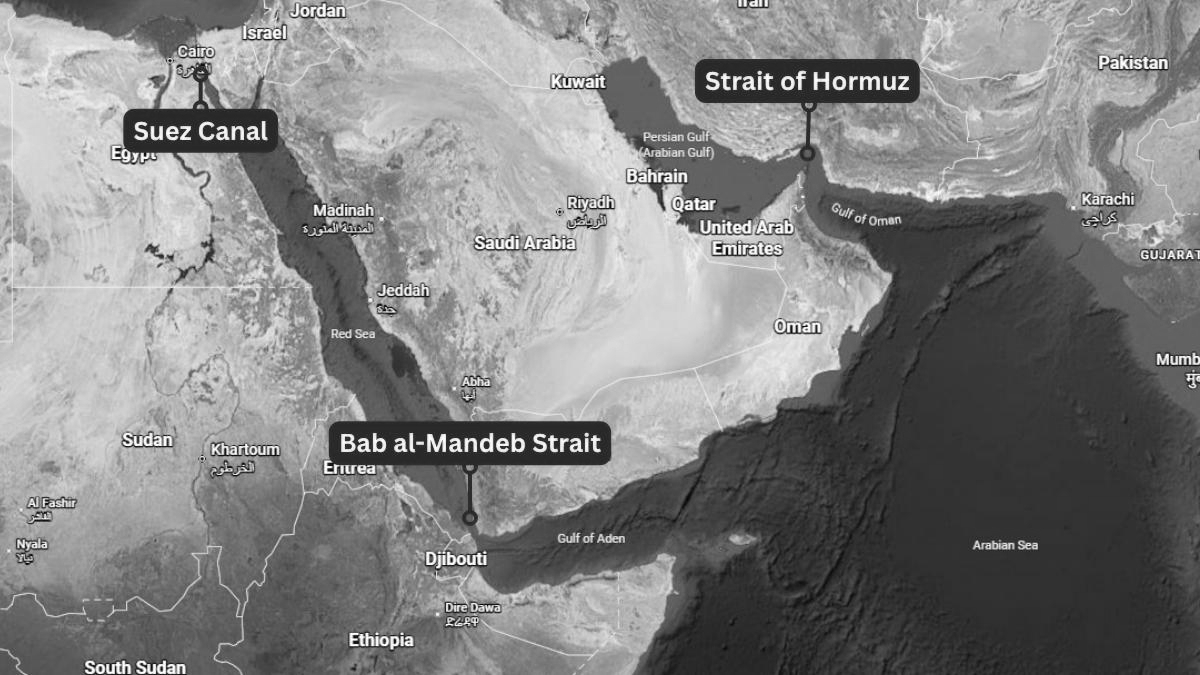
The centre of the crisis is the Bab el Mandeb Strait, the narrow gateway linking the Red Sea with the Gulf of Aden and the Indian Ocean. Often called one of the world's most important maritime choke points, it is the only sea route connecting the Red Sea to the Indian Ocean. Nearly every vessel using the Suez Canal must pass through it. The Iran-backed Houthis, who control much of northern Yemen and parts of the Red Sea coastline, have repeatedly targeted merchant ships, oil tankers and energy infrastructure, turning one of the world's busiest shipping lanes into a combat zone.
The consequences go far beyond a single attack. Shipping companies are increasingly avoiding the Red Sea, choosing the much longer route around the Cape of Good Hope. That means longer voyages, higher fuel costs, rising insurance premiums, delayed deliveries and ultimately higher prices for consumers worldwide. The world worries about supply chains. India must worry about the people keeping those supply chains alive.
India is the world's second-largest supplier of merchant seafarers. According to the International Chamber of Shipping, more than 311,000 Indians work aboard merchant vessels, accounting for over 12 per cent of the global maritime workforce. Every escalation around the Red Sea, the Gulf of Aden and the Strait of Hormuz now places Indian lives directly in danger.
The irony is difficult to ignore. When oil prices rise, governments respond quickly. When freight costs increase, markets react immediately. But when merchant sailors come under attack, concern often ends with a statement. Cargo appears to receive more protection than the people transporting it.