
India’s Folk Arts Face Extinction Threat: How Guru-Shishya and Kala-Diksha Can Keep Traditions Alive
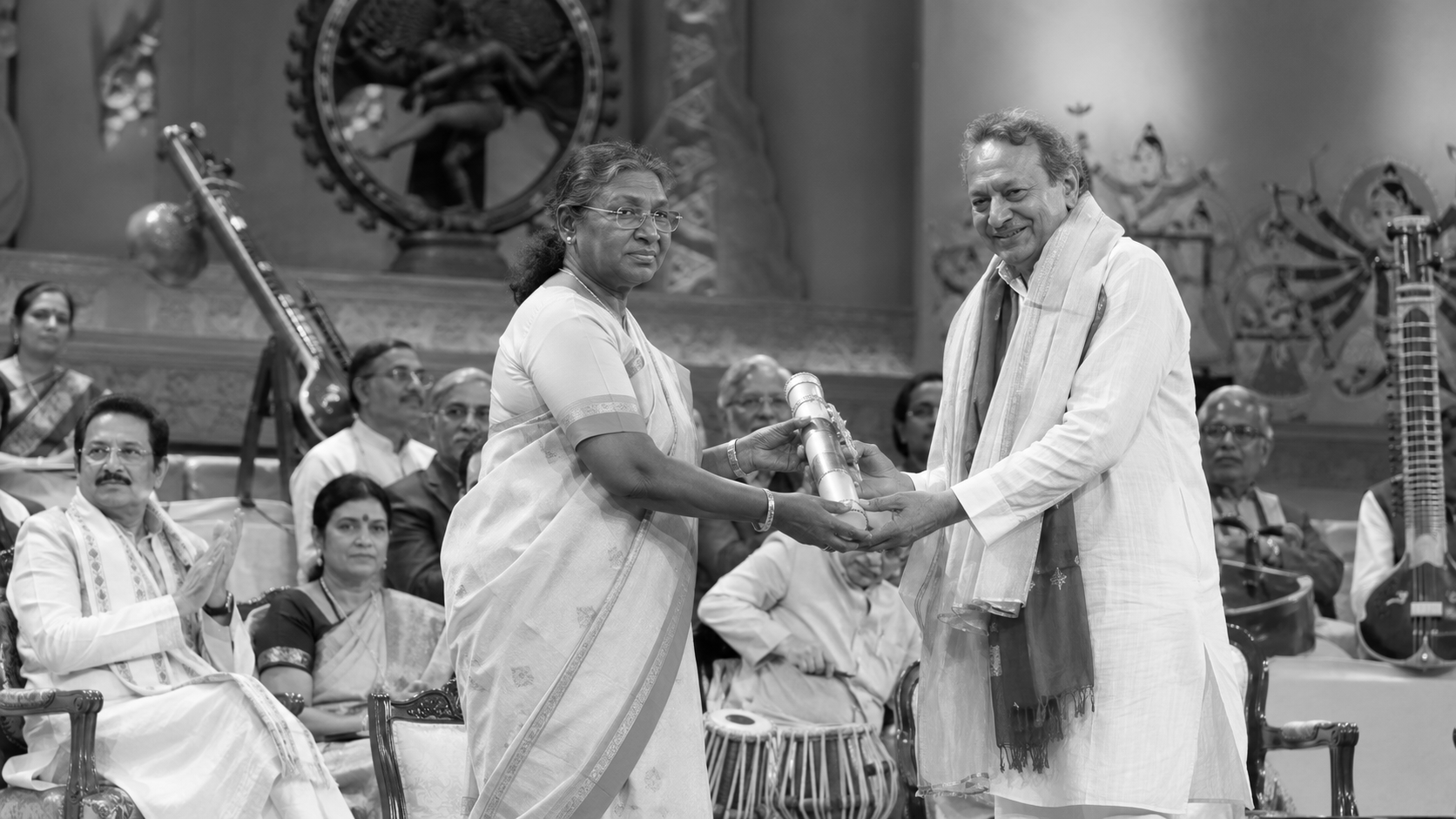
Traditional and folk arts are facing a quiet crisis as changing lifestyles, shrinking audiences and weakening intergenerational transmission threaten the survival of several cultural traditions. President Droupadi Murmu recently underlined this concern while presenting the Sangeet Natak Akademi Fellowships and Awards for 2024 and 2025.
Many art forms depend on practitioners passing knowledge orally and through sustained practice. When younger generations choose different livelihoods, the Guru-Shishya chain can weaken. Economic insecurity can further discourage families from pursuing traditional arts. Modern entertainment and changing audience preferences also reduce opportunities for lesser-known regional forms.
Folk and tribal arts are closely linked to local languages, festivals, rituals, communities and landscapes. As these social contexts change, an art form can lose part of its original meaning. Some traditions also remain poorly documented, leaving valuable knowledge vulnerable when senior practitioners are no longer able to teach.
The Guru-Shishya tradition offers one of the strongest safeguards. Learning directly from an experienced guru enables students to absorb technique, repertoire, discipline, aesthetics, improvisation and cultural context—knowledge that cannot always be captured in books or recordings. Murmu described the guru as the most important “book” for India’s arts and urged senior artists to systematically groom the next generation.
The Sangeet Natak Akademi’s ‘Kala-Diksha’ programme can strengthen this transmission by creating structured opportunities for traditional knowledge holders and younger learners to connect.
However, preservation requires a broader ecosystem. Documentation, financial support, performance opportunities, institutional recognition and greater engagement with young audiences can complement traditional mentorship. Digital platforms can also help expand visibility without replacing the community-based character of these arts.
The goal should not be to freeze traditions in the past. It is to preserve their core knowledge, identity and cultural context while giving new generations the freedom and skills to practise, adapt and carry them forward.
Murmu’s message ultimately places artists at the centre of cultural continuity: folk and tribal arts preserve community memory and collective consciousness, making their survival vital to India’s diverse cultural identity for future generations.