
India's Growing Water Crisis: Cities Expand as Rivers and Groundwater Disappear
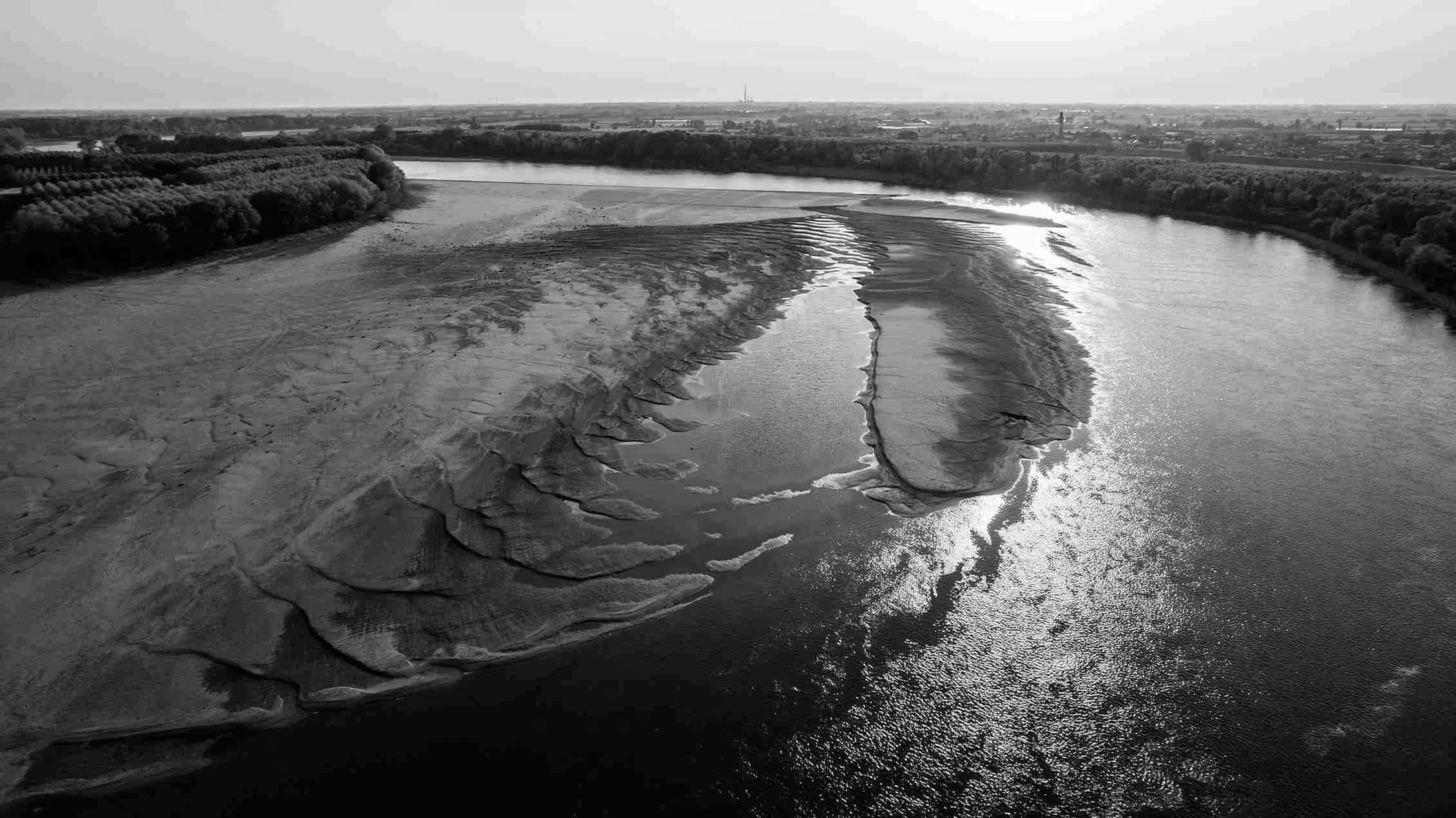
India's cities are expanding rapidly, with glittering skyscrapers, expressways, industrial corridors and modern infrastructure symbolising the country's economic ambitions. Yet, beneath this picture of development lies a growing environmental crisis. Rivers are becoming increasingly polluted, groundwater reserves are declining, lakes are disappearing and millions of people continue to struggle for access to safe drinking water. As India moves towards becoming a major global economic power, its growing inability to protect and manage water resources raises serious questions about the sustainability of its development.
The water crisis is no longer limited to drought-prone villages or regions with inadequate rainfall. It has reached major cities, industrial centres and agricultural communities across the country. According to the Central Pollution Control Board (CPCB), its 2025 assessment identified 296 polluted river stretches across 271 rivers in India, based on water-quality data from 2022 and 2023. Although the number declined from 351 polluted stretches in 2018, the remaining pollution highlights the scale of the challenge. The assessment also recorded improvements in several stretches, demonstrating that restoration efforts can produce results when supported by sustained action.
Andhra Pradesh and Telangana offer a striking picture of this growing water insecurity. Despite having major river systems such as the Godavari, Krishna, Penna and Vamsadhara, several districts in the two states face groundwater depletion, pollution and unequal access to drinking water. The challenges differ across regions, but the underlying problem remains the same: water resources are being consumed and contaminated faster than they can be sustainably managed.
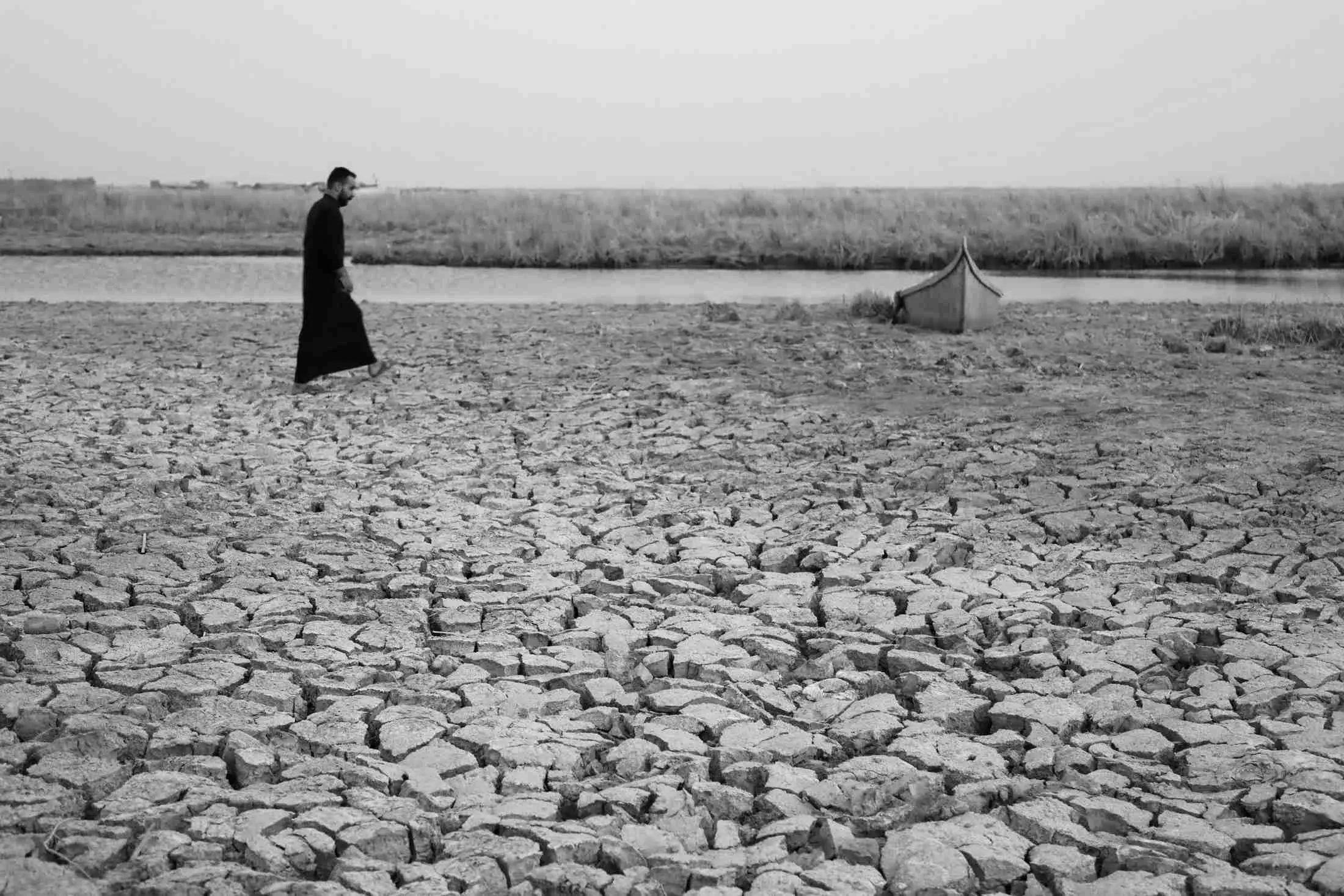
In Andhra Pradesh, groundwater depletion has become a major concern, particularly in Rayalaseema. According to a report published on September 21, 2026, the state's average groundwater level declined by 10.43 feet in one year, reaching 36.55 feet below ground level on September 20. The situation was particularly severe in Rayalaseema, where the average groundwater depth increased from 9.15 metres to 14.48 metres. Sri Sathya Sai district recorded a decline of 10.71 metres, while Annamayya and Anantapur also experienced substantial depletion. Several farmers increasingly depend on borewells to protect their crops when rainfall and surface-water supplies are inadequate. In some areas, repeated borewell drilling has failed to provide reliable water sources, forcing agricultural families to reconsider cultivation and livelihoods.
The problem is not restricted to Rayalaseema. Coastal Andhra Pradesh is also experiencing groundwater stress. Kakinada, East Godavari, Eluru and surrounding districts face concerns involving declining groundwater levels, salinity and contamination. In coastal areas, excessive groundwater extraction can encourage seawater intrusion into freshwater aquifers, affecting both drinking-water quality and agricultural productivity. The combination of irregular rainfall, growing domestic demand and agricultural dependence on groundwater makes these districts increasingly vulnerable.
River pollution presents another serious challenge. While national discussions frequently focus on the Ganga and Yamuna, several rivers in Andhra Pradesh also require urgent attention. The Vasishta, Gostani and Upputeru rivers have been identified among polluted stretches in the state's river systems. Untreated sewage, industrial discharge, agricultural runoff and improper waste disposal contribute to the deterioration of water quality. Such pollution affects not only aquatic ecosystems but also fishing communities, farmers and households that depend on these water bodies. Protecting rivers must therefore extend beyond cleaning their visible surfaces to controlling pollution at its source.
Telangana faces a different but equally worrying combination of water-related problems. Hyderabad, one of India's fastest-growing urban centres, illustrates how rapid development can place enormous pressure on natural water systems. The Musi River, which flows through the city, has become a symbol of urban pollution. Untreated sewage, industrial effluents, waste dumping and encroachment have damaged significant stretches of the river. A 2025 scientific study examining four locations found a sharp deterioration in water quality downstream from Osman Sagar. Its water-quality index increased from 38 at Osman Sagar to 175 at Bapughat, 197 at Musarambagh and 179 at Nagole. The findings underline the impact of urban wastewater on the river as it passes through densely populated areas.
The problem extends to Hyderabad's lakes. Hussain Sagar, Durgam Cheruvu, Saroornagar Lake and several other water bodies face pressure from sewage inflows, encroachment and solid-waste disposal. A particularly concerning development emerged in September 2026, when the Telangana government informed the National Green Tribunal (NGT) that several sewage treatment plants discharging into Hussain Sagar, the Musi and other city lakes had recorded violations of prescribed pollution standards during monitoring in 2025. The reported exceedances involved parameters such as biochemical oxygen demand, chemical oxygen demand, suspended solids and total coliform. Although the historical test results do not establish that the plants are currently violating standards, they raise questions about the effectiveness of sewage treatment and monitoring systems.
The crisis is also visible in the groundwater beneath Telangana. A June 2026 assessment based on more than 2,200 groundwater samples found contamination from fluoride, nitrate and salinity across several districts. Fluoride concentrations reached 13.9 mg per litre in Mancherial, against the World Health Organization's guideline of 1.5 mg per litre. Nitrate levels reached 697 mg per litre in Nizamabad and 683 mg per litre in Kamareddy, compared with the guideline of 50 mg per litre. The assessment also identified nitrate contamination across almost the entire state.
These findings reveal an important distinction between water availability and water safety. Even when groundwater levels improve following good rainfall, the water may remain unsuitable for drinking because of chemical contamination. Fluoride contamination is partly associated with the geological composition of the region, while excessive fertiliser use, agricultural runoff, sewage seepage and wastewater infiltration contribute to nitrate pollution. A September 2026 scientific study focusing on Greater Hyderabad also identified elevated fluoride and nitrate levels in several groundwater samples, highlighting potential health risks, particularly for children.
The problem extends beyond the Musi to the Godavari and Krishna river systems, which are crucial to the livelihoods and water security of both Telangana and Andhra Pradesh. Central Water Commission data reported in June 2026 indicated elevated bacterial contamination in several stretches of the Krishna and Godavari rivers in Telangana. At some monitored locations in Nalgonda, Suryapet and Khammam, total coliform levels were substantially higher than the prescribed standard. Such contamination raises concerns about the safety of water used by communities and the health of river ecosystems. The condition of these river systems is particularly important because pollution does not remain confined to administrative boundaries; it can affect downstream communities and connected water bodies.
Industrialisation adds another dimension to India's water crisis. Chemical, pharmaceutical, textile, dyeing, leather and manufacturing industries require substantial quantities of water and generate wastewater that can contain hazardous substances. Industrial clusters in Gujarat's Vapi and Ankleshwar, Punjab's Ludhiana, Uttar Pradesh's Kanpur and Hyderabad's pharmaceutical corridor have faced pollution concerns over the years. The cement industry also places considerable pressure on local water resources because manufacturing, cooling and associated operations require significant water consumption. Major companies, including UltraTech Cement, Ambuja Cements, ACC, Dalmia Bharat and Shree Cement, have introduced various water-conservation and recycling initiatives. However, the wider sector requires transparent water audits, consistent monitoring and stronger safeguards, particularly in water-stressed regions. Company-specific violations should be established through documented regulatory findings rather than assumptions about the industry as a whole.
Urban expansion further aggravates the situation by destroying natural water-recharge systems. Lakes, wetlands, tanks and open spaces that once absorbed rainwater are increasingly being replaced by buildings, roads and commercial developments. When natural drainage channels are blocked or encroached upon, rainwater flows away instead of replenishing groundwater. Hyderabad's disappearing water bodies demonstrate the consequences of unplanned urbanisation. Similar pressures are visible in rapidly expanding cities across Andhra Pradesh, including Vijayawada, Visakhapatnam and Tirupati. Restoring traditional tanks and protecting wetlands must become essential components of urban development rather than occasional environmental projects.
Government initiatives have attempted to address some of these challenges. The Jal Jeevan Mission has expanded rural household tap-water connections, while river-cleaning programmes, groundwater-recharge projects and sewage-treatment infrastructure aim to improve water management. However, access to a tap does not automatically guarantee regular supply or safe drinking water. Governments must assess whether connections are functional, whether sufficient water reaches households and whether the supplied water meets quality standards. The same accountability is necessary for sewage treatment plants, industrial discharge regulations and groundwater-extraction permissions.
International experiences offer valuable lessons. Singapore has invested in wastewater recycling, desalination and careful urban water planning, turning treated wastewater into drinking-grade NEWater. Israel has developed extensive wastewater-recycling systems and efficient drip-irrigation techniques to reduce pressure on freshwater resources. These examples demonstrate that water scarcity can be managed through technology, effective regulation, long-term planning and public participation. India need not replicate these systems entirely but can adapt suitable practices to its geographical and economic conditions.
Addressing the crisis requires a coordinated approach. Industrial units must treat wastewater before discharge, while highly polluting sectors should face strict compliance requirements and meaningful penalties for violations. Groundwater extraction must be monitored through reliable digital systems, particularly in vulnerable districts. Cities need stronger sewage-treatment networks, compulsory rainwater harvesting, greywater reuse and protection of natural drainage channels. Investments in lake restoration and groundwater recharge should be supported by regular scientific assessments rather than limited to short-term projects.
Agriculture also requires a transition towards sustainable water use. Farmers should receive support to adopt drip and sprinkler irrigation, improve soil-moisture management and choose crops suited to local water availability. Community participation is equally important. Residents can reduce domestic wastage, maintain rainwater-harvesting structures, avoid dumping waste into drains and participate in lake-restoration initiatives. Schools, colleges and local organisations can play a significant role in building awareness about water conservation.
Ultimately, India's water crisis is not simply about a shortage of rainfall or the absence of rivers. It is about the unequal distribution of resources, contamination of available supplies, excessive extraction and inadequate management. Andhra Pradesh's struggling borewells, Telangana's polluted Musi, contaminated groundwater and deteriorating river systems show how the crisis is already affecting everyday life.
The country's development cannot be measured only through skyscrapers, highways, industrial investments and digital connectivity. It must also be measured by the quality of water flowing through household taps, the health of its rivers and the ability of farmers and communities to access safe and reliable supplies. Every litre wasted or polluted today increases the burden on future generations.
Water is not an unlimited resource, and economic progress cannot come at the cost of the natural systems that sustain life. India must act before its rivers become lifeless channels and its cities face increasingly severe shortages. The choice is clear: protect water resources today or risk a future in which development shines above ground while the country struggles to find water beneath it.