
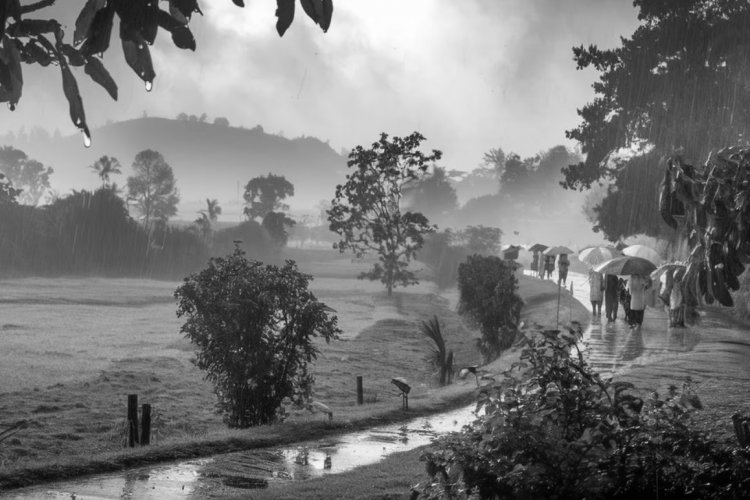
India’s Monsoon Deficit Nears 14% As Uneven Rains Put Kharif Crops Under Pressure
India’s southwest monsoon is entering its final phase with little room for a dramatic recovery, as uneven rainfall across the country has pushed the cumulative deficit to nearly 14%. While some regions have received good showers, large parts of the country continue to remain significantly drier than normal, highlighting the uneven nature of this year’s monsoon.
The deficit, which stood at around 13% at the end of July, widened in August despite improved rainfall in some areas. Bihar, Andhra Pradesh, Punjab and parts of the Northeast are among the regions facing substantial shortfalls. Peninsular India has been particularly affected, with Andhra Pradesh, Karnataka and Kerala among the states that have experienced deficient rainfall.
The rainfall gap is already being reflected in agriculture. Overall kharif sowing remains below last year’s level, while paddy acreage has fallen by more than 3% and maize sowing by over 4%. The impact on final production, however, will depend heavily on rainfall during the remaining weeks of the season and the yields obtained from the area already planted.
The maize shortfall carries implications beyond agriculture. The crop is an important feedstock for ethanol production, as well as poultry and animal feed. If production weakens further, pressure could increase on alternative feedstocks such as rice and sugar-based sources. Any greater diversion of food crops towards ethanol would also have to be balanced against food availability and prices.
The India Meteorological Department has forecast further heavy to very heavy rainfall in parts of eastern India, including Gangetic West Bengal, Jharkhand and Odisha. At the same time, rainfall activity is expected to remain subdued over peninsular India in the near term.
September therefore remains crucial. Sustained and widespread rainfall could narrow the national deficit and improve soil moisture, while another weak spell could deepen pressure on crops and rural incomes. India’s challenge is not simply how much rain the monsoon delivers, but where, when and how consistently that rain falls. That uneven distribution will ultimately determine how much of the season’s damage can still be reversed.