

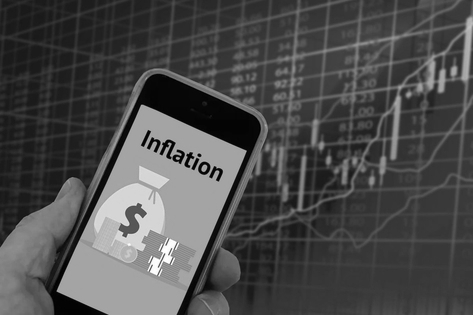
Inflation Edges Up to 3.93 pc in May Driven by Rising Food and Fuel Costs
Retail inflation in India rose to 3.93 per cent in May , up from 3.48 per cent in April , primarily driven by a rise in food prices , according to official data released on Friday by the National Statistical Office.
The Consumer Price Index (CPI) food basket inflation also moved higher, touching 4.78 per cent in May compared to 4.2 per cent in April , reflecting sustained pressure in essential commodities . Rising prices of select food items and household essentials contributed significantly to the overall uptick in inflation during the month.
Among the major items that recorded the highest inflation were precious metal jewellery , tomato , ginger , raisins , and monacca , indicating a broad based increase in prices across both food and non food categories . On the other hand, items such as potato , peas , motor car and jeep , cumin , and two wheelers including motorcycles and scooters recorded comparatively lower inflation levels at the all India combined level.
The inflation data carries importance as it feeds directly into monetary policy decisions of the Reserve Bank of India, which targets headline inflation at 4 per cent within a tolerance band of ±2 per cent . The central bank closely monitors movements in the CPI while deciding interest rate policy and liquidity measures.
Recently, the Reserve Bank of India revised its inflation projection for the current financial year upward to 5.1 per cent from 4.6 per cent , citing concerns over rising input costs and the pass-through impact of higher global energy prices on domestic fuel rates.
Fuel prices have also seen a notable increase since May, with petrol prices rising 7.4 per cent and diesel by 8.4 per cent . The central bank has noted that these increases are expected to add pressure on headline inflation, with an estimated direct impact of about 36 basis points , along with further second order effects likely to be reflected in the coming months.
Overall, the latest data suggests a mild but steady upward shift in inflation trends, largely influenced by food and energy price movements.