
Inflation Is Back On The RBI’s Radar: Hold Rates At 5.25% Or Raise Them?
India's inflation story is changing. After spending much of the past year at unusually low levels, retail inflation has climbed to 4.45% in July 2026, up from 4.38% in June. Food inflation is running even hotter, making the recent rise more important than the headline number alone suggests.
For now, the Reserve Bank of India is not rushing to raise interest rates. The Monetary Policy Committee kept the repo rate at 5.25% in August and retained its neutral stance. But the latest minutes reveal that policymakers are becoming increasingly alert to the possibility that inflation could require a change in course.
The RBI's own forecast provides the clearest picture of what lies ahead. It expects inflation to rise to 4.7% in the July-September quarter and peak at 5.9% in October-December, before easing to 5.5% in the final quarter of FY27. For the full financial year, however, the projection has been lowered slightly to 5%.
The immediate pressure is coming largely from food and fuel, rather than a broad-based surge in consumer demand. But crude oil is the bigger wildcard. India's heavy dependence on imported oil means a prolonged global oil shock can raise fuel, transport and production costs, while also putting pressure on the rupee.
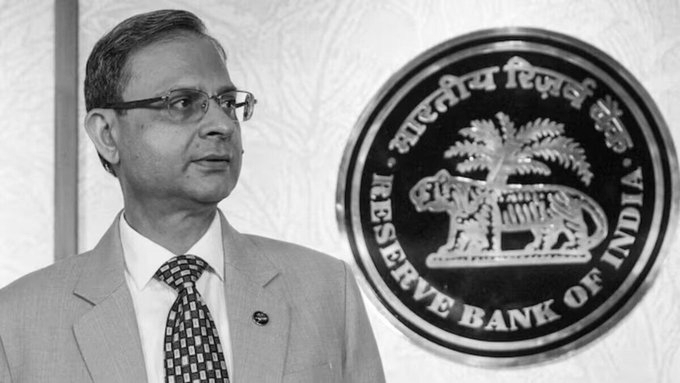
That is why Governor Sanjay Malhotra has drawn a line between a temporary price shock and persistent inflation. If higher food, fuel and input costs begin spreading across the economy and inflation expectations become unanchored, the case for monetary tightening strengthens. Deputy Governor Poonam Gupta has gone further, saying there appears to be little scope for further easing and that a rate hike could emerge if inflation intensifies.
For ordinary Indians, that distinction matters. A rate hike could eventually mean higher EMIs on floating-rate home, vehicle and other loans, although savers could benefit from better deposit returns. The RBI would be deliberately making borrowing more expensive to cool demand and prevent today's food and fuel shock from becoming tomorrow's broader inflation problem.
The central bank, therefore, faces a delicate balancing act. India's economy remains resilient, with the RBI raising its FY27 growth forecast to 6.7%, but inflation is moving in the wrong direction.