
INS Mahendragiri Joins Navy’s Fleet, India’s Indigenous Stealth Frigate Power Gets A Major Boost
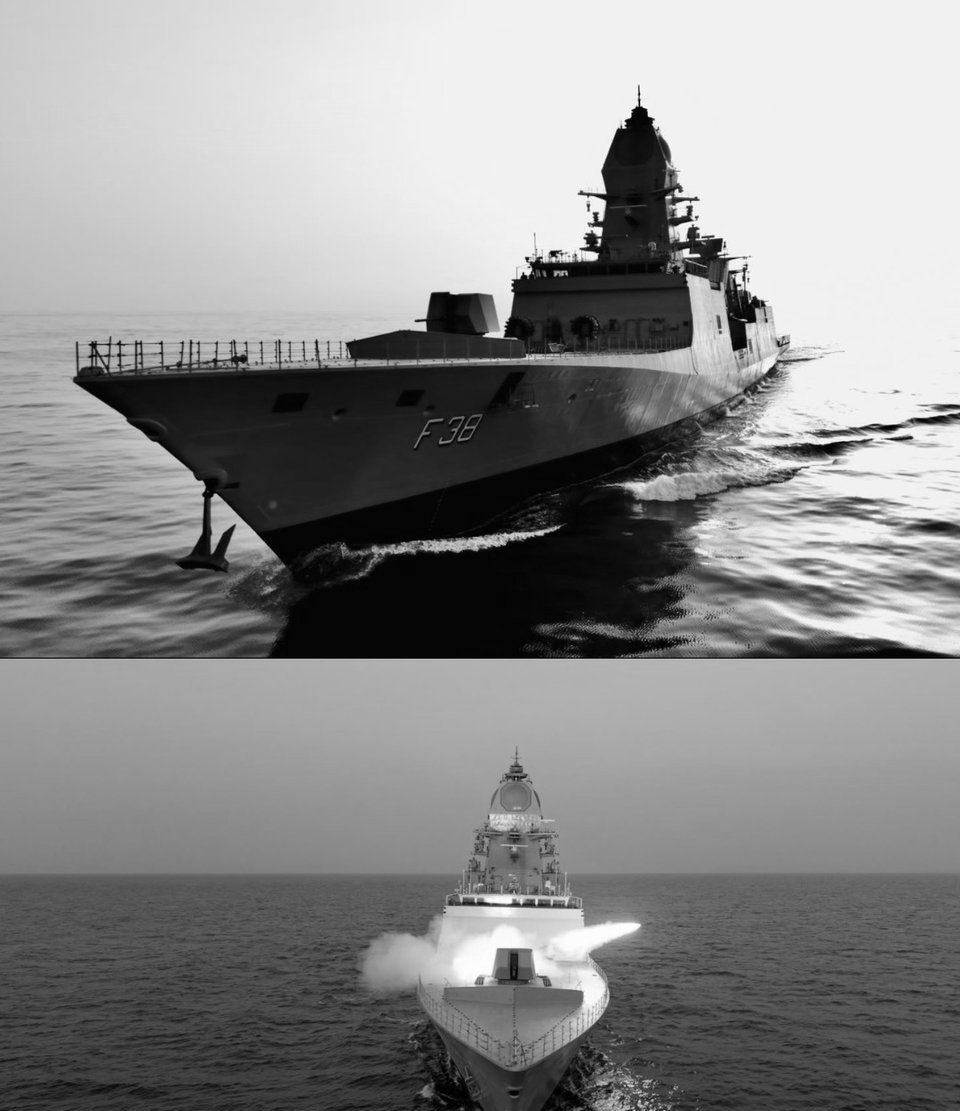
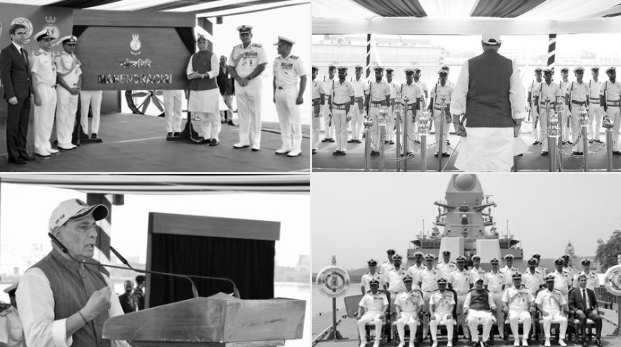
The Indian Navy on Saturday inducted its sixth indigenously built Project 17A stealth frigate, INS Mahendragiri , into the Eastern Fleet at a ceremony in Visakhapatnam presided over by Defence Minister Rajnath Singh .
Named after the Mahendragiri mountain range in the Eastern Ghats , the warship is the first Indian naval vessel to carry the name. It joins the Nilgiri-class series, which began with INS Nilgiri in January 2025, followed by INS Udaygiri, INS Himgiri, INS Taragiri and INS Dunagiri , completing the class in around one and a half years.
Designed by the Navy’s Warship Design Bureau and built by Mazagon Dock Shipbuilders Limited (MDL), Mumbai , INS Mahendragiri features over 75 per cent indigenous content . The 6,670-tonne frigate can achieve speeds of up to 28 knots and is equipped with advanced weapon systems, including BrahMos-capable supersonic missiles, medium-range surface-to-air missiles, torpedo launchers, an indigenous rocket launcher, an Integrated Anti-Submarine Defence System, Electronic Warfare suite and Close-In Weapon System. It also carries a multi-role helicopter to enhance operational capabilities.
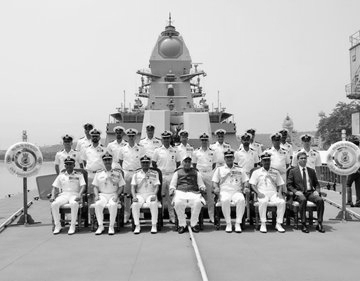
Rajnath Singh received the Guard of Honour during the commissioning ceremony, which was attended by Chief of Naval Staff Admiral Krishna Swaminathan and other senior officials.
Addressing the gathering, Singh described INS Mahendragiri as a blue-water naval platform capable of protecting India’s coastal and deep-ocean interests for extended periods. He highlighted the Navy’s role in safeguarding merchant vessels during the West Asia conflict under Operation Urja Suraksha, stating that the force serves both as a combat arm and a protector of India’s economic interests.
The Defence Minister also highlighted Andhra Pradesh’s growing role as a defence and aerospace manufacturing hub, referring to the foundation stone laid for the AMCA flight-testing centre in Puttaparthi and a new Bharat Dynamics facility in Anakapalli district that will manufacture autonomous underwater vehicles and torpedoes.
Admiral Krishna Swaminathan said the Navy and MDL achieved major efficiency improvements in the project, reducing the launch-to-delivery timeline by nearly half, from 63 months to 31 months . He added that all technical trials were completed in a single sea trial, compared to the usual five to seven trials.