
International Malala Day: A Global Tribute to Courage, Education and the Fight for Equality
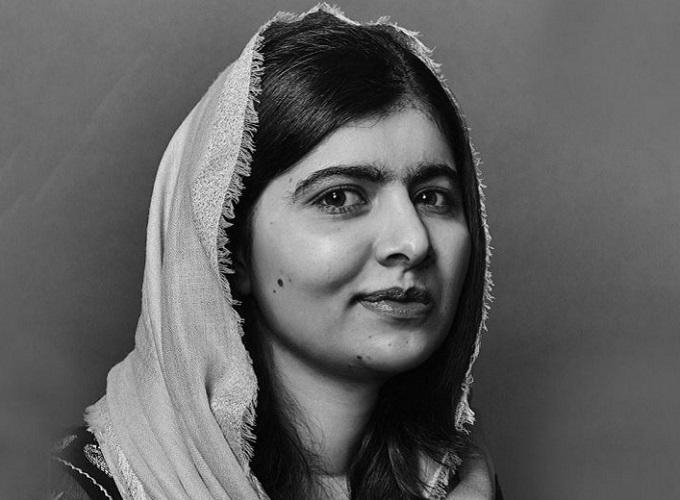
July 12 is observed worldwide as International Malala Day , a day dedicated to celebrating the life, courage and achievements of Malala Yousafzai , while also drawing attention to the ongoing global struggle to ensure that every child, particularly every girl, has access to quality education. Recognized by the United Nations in 2013, the day has become a powerful symbol of resilience, empowerment and the belief that education can transform lives and societies.
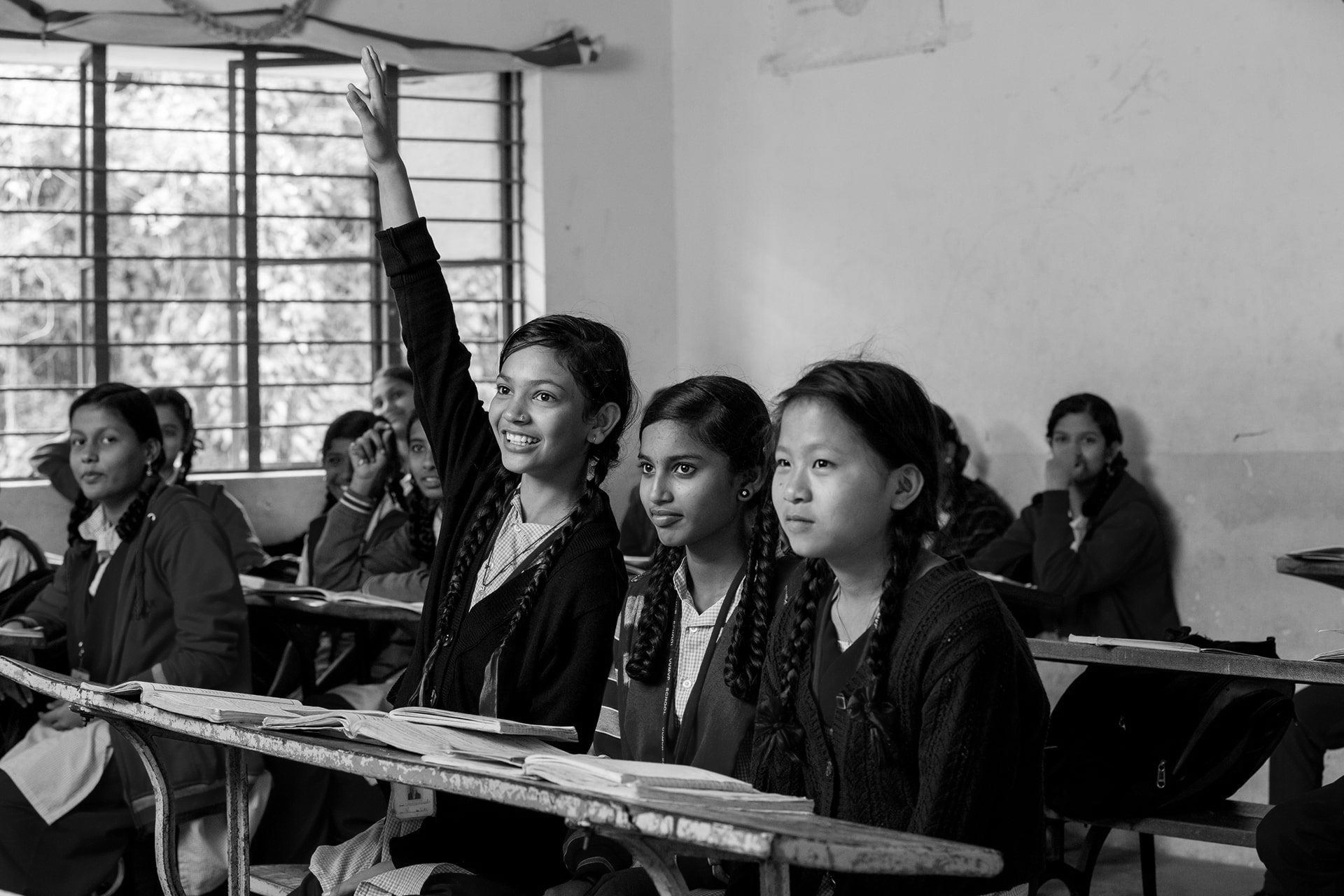
International Malala Day is not merely a celebration of one individual. It is a reminder of the millions of children around the world who are still denied their fundamental right to education because of poverty, conflict, discrimination, child marriage, displacement and social barriers. The day encourages governments, educational institutions, civil society organizations and communities to work together to create a future in which every child has the opportunity to learn and thrive.
Born on July 12, 1997 , in Mingora , located in Pakistan’s scenic Swat Valley , Malala grew up in a family that valued education. Her father, Ziauddin Yousafzai , was an educator and passionate advocate for learning. From an early age, Malala developed a deep appreciation for education and began speaking publicly about the importance of ensuring that girls had the same opportunities as boys.
Her activism began at a remarkably young age. In 2009, when she was just 11 years old, Malala started writing an anonymous blog for the BBC. Through her writings, she described life under Taliban rule in the Swat Valley and documented the difficulties faced by girls after restrictions were imposed on their access to education. Her accounts offered the world a rare insight into the challenges faced by young girls living in areas affected by extremism and conflict.
As her advocacy gained attention, Malala became an increasingly prominent voice for girls’ education. She appeared in interviews, participated in public discussions and continued to speak out against efforts to deny children access to schooling. Her courage earned admiration from many people around the world, but it also made her a target for extremists who opposed her message.
A defining moment in Malala’s life occurred on October 9, 2012 , when she was attacked by Taliban gunmen while travelling home from school on a bus. The attack shocked the international community and generated widespread condemnation. Malala suffered serious injuries and was initially treated in Pakistan before being transferred to the United Kingdom for specialized medical care.
The incident sparked a global outpouring of support. Political leaders, educators, human rights activists and ordinary citizens across the world rallied behind her cause. What was intended to silence her voice instead amplified it. Following months of treatment and rehabilitation, Malala recovered and returned to public life with even greater determination to advocate for education and equality.
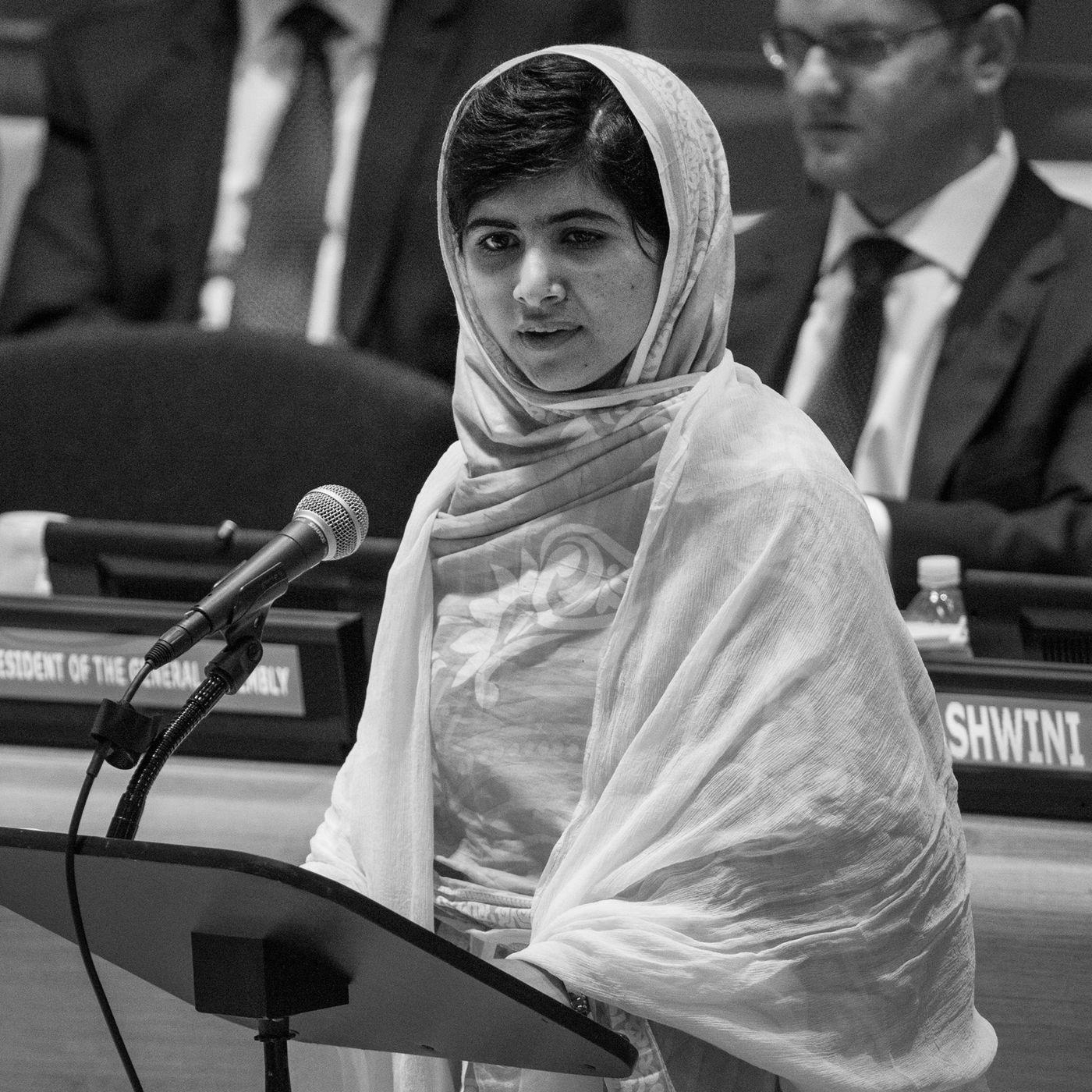
The following year marked another historic milestone. On July 12, 2013 , her sixteenth birthday, Malala addressed the United Nations Youth Assembly in New York. The speech, delivered at the United Nations headquarters, became one of the most memorable addresses ever given by a young activist.
In her speech, Malala emphasized that education is a basic human right and called upon world leaders to ensure that every child has access to learning opportunities. She argued that books, teachers and knowledge are powerful tools for combating poverty, ignorance and extremism. One of her most widely quoted statements from that address was:
"One child, one teacher, one book, and one pen can change the world."
The speech resonated across continents and inspired millions of people. Because it was delivered on her birthday, July 12 came to be widely recognized as Malala Day , and the United Nations subsequently adopted the observance to honor her efforts and the broader movement for universal education.
Malala’s influence continued to grow in the years that followed. In 2014, at the age of 17, she became the youngest-ever recipient of the Nobel Peace Prize . She shared the award with Kailash Satyarthi , an Indian child rights activist known for his work against child labor and for children's welfare.
The Nobel Committee recognized their efforts to promote the rights of children and young people and to support access to education. The award highlighted the importance of cross-border cooperation in addressing global challenges affecting children and reaffirmed education as a powerful instrument for peace and development.
Beyond awards and recognition, Malala has continued her advocacy through the Malala Fund , which she co-founded with her father. The organization works to ensure that girls around the world can complete 12 years of free, safe and quality education .
The Malala Fund supports local educators, activists and community leaders in multiple countries. It also advocates for policy reforms, increased investment in education and stronger protections for girls facing barriers to schooling. Through research, campaigns and partnerships, the organization seeks to address systemic challenges that prevent millions of girls from achieving their educational potential.
In 2017, Malala received another major recognition when she was appointed a United Nations Messenger of Peace , becoming the youngest person ever to receive that designation. The role further expanded her ability to engage with governments, institutions and communities on issues related to education, gender equality and youth empowerment.
International Malala Day serves as an opportunity to examine the progress that has been made in expanding educational access while also acknowledging the challenges that remain. Despite significant improvements in school enrollment rates across many parts of the world, millions of children continue to face obstacles that prevent them from attending school regularly.
According to international education and development organizations, barriers such as poverty , armed conflict , forced displacement , gender discrimination , child marriage , inadequate infrastructure and limited access to educational resources continue to affect millions of girls. In some regions, families struggling with economic hardship are unable to afford school-related expenses. In others, cultural norms and safety concerns discourage girls from pursuing education beyond primary levels.
Conflict and humanitarian crises have also disrupted education for countless children. Schools are often damaged, closed or repurposed during conflicts, leaving students without stable learning environments. Refugee and displaced children frequently face additional difficulties accessing education due to language barriers, legal constraints and shortages of educational facilities.
International Malala Day encourages policymakers and stakeholders to address these challenges through sustained investment in education systems, teacher training, school infrastructure and inclusive policies. Advocates argue that educating girls yields benefits that extend far beyond individual achievement. Studies have consistently shown that educated girls are more likely to enjoy better health outcomes, participate in the workforce, contribute to economic growth and support the education of future generations.
Across the world, International Malala Day is marked through a variety of activities. Schools organize discussions on education and human rights. Universities host seminars and public lectures examining issues related to gender equality and access to learning. Community groups conduct awareness campaigns, while governments and international organizations use the occasion to reaffirm their commitment to educational development.
Youth-led initiatives are also a prominent feature of the observance. Students participate in debates, essay competitions, social campaigns and volunteer activities aimed at promoting literacy and educational opportunities. Many organizations use the day to highlight success stories of young girls who have overcome significant obstacles to pursue their education.
The observance has become especially relevant in an era when technology is transforming the educational landscape. Digital learning platforms, online resources and innovative teaching methods have created new opportunities for expanding access to education. At the same time, disparities in internet connectivity and technological resources have exposed new forms of inequality. International Malala Day provides a platform for discussing how technology can be leveraged to ensure that educational opportunities reach all children, regardless of their background or location.
Malala’s journey from a young student in the Swat Valley to a globally recognized advocate demonstrates the profound impact that one voice can have in inspiring change. Her story continues to resonate because it reflects broader themes of courage, perseverance and the transformative power of education.
More than a decade after the attack that brought global attention to her cause, Malala remains one of the most influential advocates for educational rights. Her message continues to inspire governments, educators, activists and young people to work toward a world where education is accessible to everyone.
As the world observes International Malala Day , the focus extends beyond celebrating an individual achievement. The day serves as a call to action for governments, institutions and communities to ensure that every child has the opportunity to learn, grow and fulfill their potential. It underscores the belief that education is a fundamental human right , a foundation for equality and a powerful force for social progress.
The enduring significance of International Malala Day lies in its message that knowledge can overcome barriers, empower individuals and create more peaceful and prosperous societies. Through her advocacy and example, Malala Yousafzai has helped turn that message into a global movement—one that continues to inspire millions around the world and reaffirm the importance of education as a pathway to opportunity, dignity and hope for future generations.