

Iran and Israel Exchange Strikes, Then Pause - Tehran Warns Next Attack Will Follow If Lebanon Is Hit Again
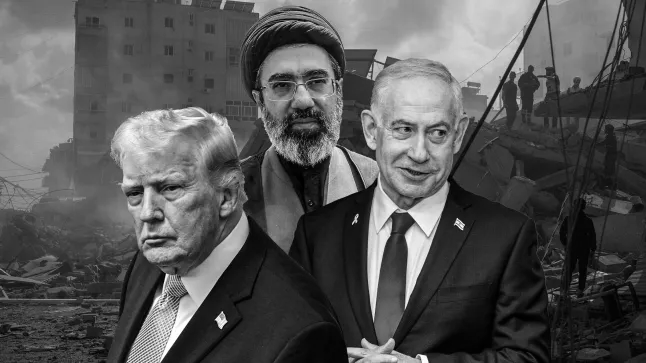
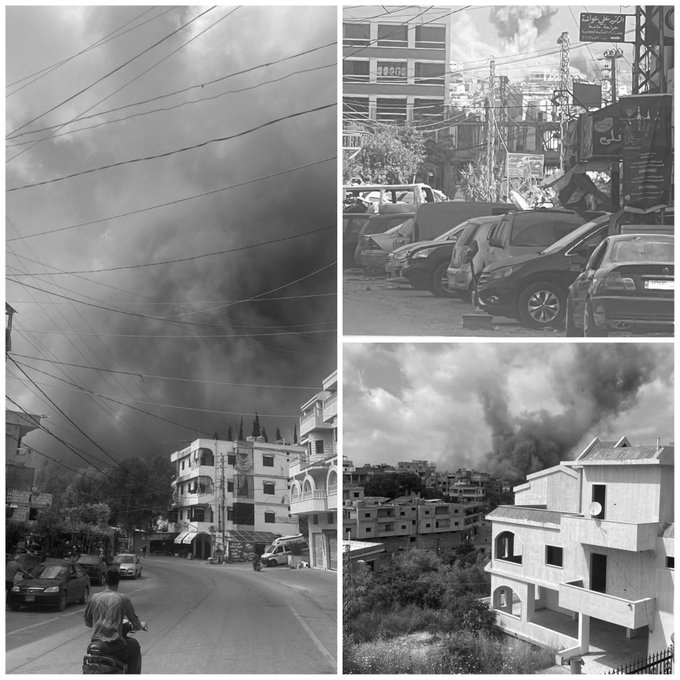
This war just hit its 100th day , and the fragile ceasefire holding since early April came within hours of complete collapse. What began as Israeli airstrikes on Beirut's southern suburbs on Sunday, targeting Hezbollah, set off a chain reaction that pulled Iran and Israel into their most serious direct military confrontation since April and exposed, in the starkest possible terms, just how little control Donald Trump actually has over his closest ally in this war.
Pakistan's Interior Minister Naqvi had met Iranian Foreign Minister Araghchi on Sunday morning itself. Hours later, bombs were falling. The diplomatic irony could not be more brutal. Lebanon's army chief Rodolphe Haykal had also flown to Pakistan to meet Field Marshal Asim Munir , with sources telling AFP the visit was directly linked to the Pakistani mediation effort, describing Lebanon as "a critical part of the negotiations." Israel chose to strike Beirut anyway.
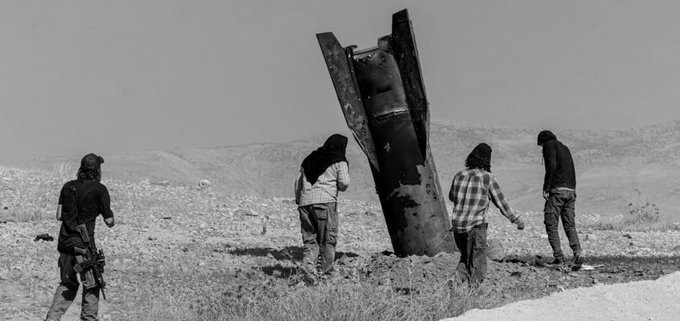
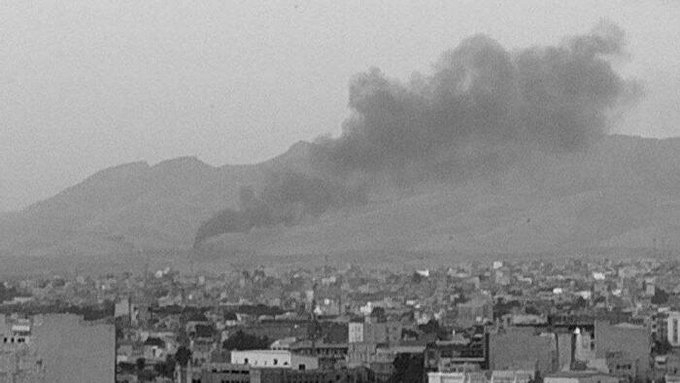
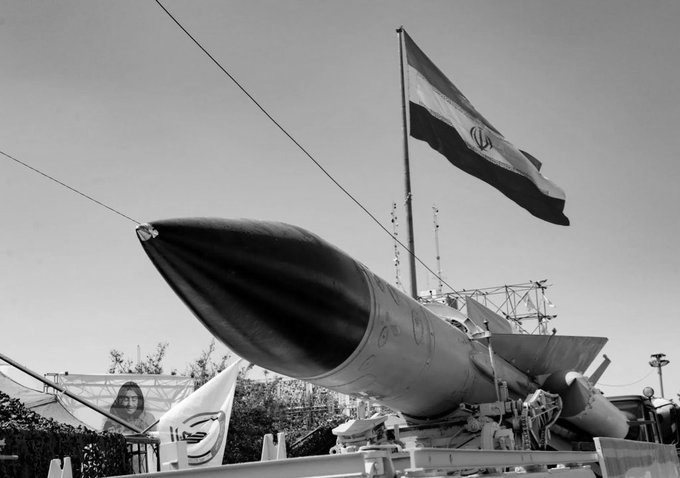
Tehran retaliated. Dozens of Israeli warplanes then launched a Monday operation targeting Iranian air defenses being restored after earlier fighting, with explosions reported by Iranian citizens in Tehran, Isfahan and Tabriz, and airports across the country shut down. Israel also struck several targets at a massive petrochemical complex in Mahshahr in southwestern Iran, with workers evacuated according to Iranian media. Iran responded by claiming it had hit two Israeli air bases. The Iran-backed Houthis in Yemen compounded the pressure by announcing a ban on Israeli shipping through the Red Sea.
Now here is where the Trump problem becomes impossible to ignore. Just days ago Trump told the Financial Times that Netanyahu would have no choice but to accept any deal the US struck with Iran, insisting " I call the shots . I call all the shots. He doesn't call the shots." Israel launched its strikes anyway, hours after Trump had reportedly called Netanyahu personally urging him not to retaliate against Tehran's missiles. Netanyahu, in his now-signature style, did not listen.
The diplomatic wreckage is significant. Hezbollah has outright rejected the US-brokered Lebanon ceasefire deal and instead endorsed Iran's demand that ending the war in Lebanon be made part of the broader US-Iran negotiations, the very demand Israel refuses to accept. Iran has said it repeatedly: no deal with Washington can be separated from what Israel is doing in Beirut. So while Pakistan is flying army chiefs across borders and hosting foreign ministers, Israel is rendering each diplomatic meeting obsolete before the ink dries.
The Gulf is being dragged in too . Kuwait reported debris from missile interceptions falling on its territory and starting minor fires, prompting the Gulf Cooperation Council to issue a united statement backing all measures Bahrain and Kuwait take to protect their security and territorial integrity. And in a detail particularly relevant for India, US forces disabled an oil tanker in the Gulf of Oman after it attempted to approach an Iranian port in violation of the ongoing blockade, with the Forward Seamen's Union of India reporting 24 Indian seafarers on board were in distress.
By Monday afternoon the guns fell temporarily silent, but the statements from Washington and Tel Aviv told two completely different stories. Trump posted on social media that both countries were seeking an immediate ceasefire and that final peace negotiations are moving forward. Netanyahu simultaneously said Israel had halted attacks on Iran but pointedly refused to use the word ceasefire. Two leaders, one moment, two contradictory realities and that gap between them is exactly where this war lives.
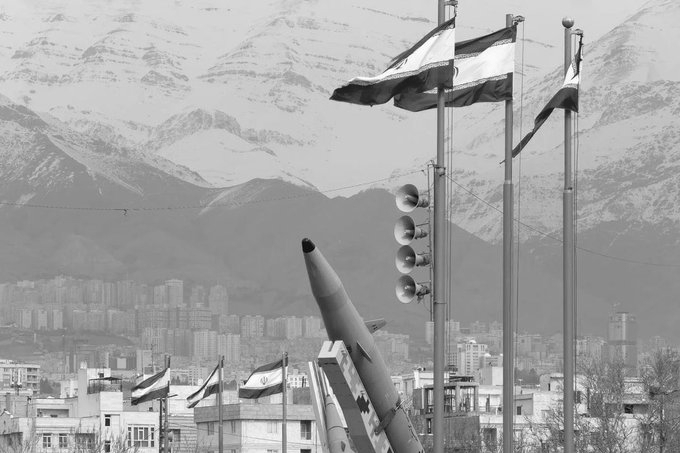
Iran warned it would resume attacks and they would be harsher if Israel continued striking Lebanon. Israel has no intention of stopping in Lebanon. Trump wants to be the dealmaker. Netanyahu wants to keep fighting on his own terms.