
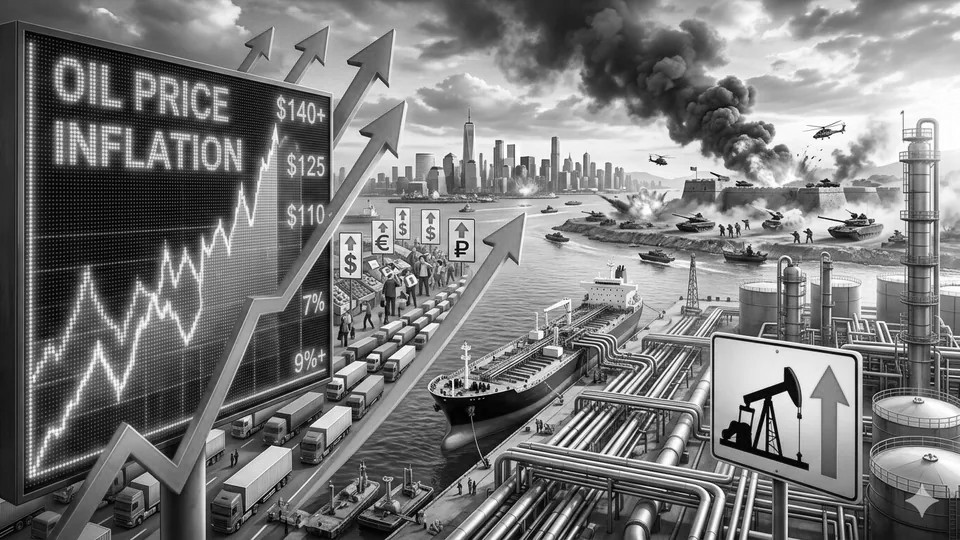
Iran Conflict, US Inflation Keep Oil and Currency Markets on Edge
Oil prices, currencies and global markets remained highly sensitive to geopolitical and economic signals on August 27, as shifting expectations over the Iran conflict, US inflation and growth shaped trading.
Brent crude initially weakened as investors saw potential progress in diplomatic efforts involving Iran and the possibility of reopening the Strait of Hormuz, a vital route for global oil shipments. However, the decline reversed later. Brent settled 2.1% higher at $89.70 a barrel, while US West Texas Intermediate gained 1.6% to $83.53. The rebound followed reports that Washington was not seeking a return to terms of a June Iran ceasefire, reducing hopes for a rapid restoration of oil flows. Oil therefore continues to carry a significant geopolitical risk premium.
The conflict has disrupted Gulf production and shipping, keeping energy prices above pre-conflict levels. A diplomatic breakthrough could reduce that premium and push crude lower. Global growth is another influence: stronger activity supports fuel demand, while weakness can pressure prices.
In currency markets, the US dollar edged higher to 159.41 yen from 159.31 yen, reflecting its relative strength amid geopolitical uncertainty and changing Federal Reserve expectations. The euro slipped to $1.1646 from $1.1651 as the dollar benefited from investor caution.
US data added another layer of complexity. The economy grew at a modest 1.5% annualised rate in the April-June quarter, while the Federal Reserve’s preferred PCE inflation measure remained elevated at 3.7% in July, well above its 2% target. The data increased expectations that US rates could remain higher for longer, supporting the dollar but potentially weighing on global demand and risk assets.
For investors, the interaction between Iran-related supply risks, inflation, interest rates and global growth remains crucial. A prolonged conflict could keep energy prices elevated and reinforce inflation, while de-escalation could ease oil costs. Meanwhile, stronger-than-expected US inflation could delay rate cuts, whereas weaker growth could eventually revive expectations for monetary easing.
Markets are therefore balancing geopolitical risk against economic resilience, with oil and currencies likely to remain sensitive to headlines.