
Iran Rains Fire On US Bases In Bahrain, Targets Military Radars In Third Attack In 5 Days
Iran has stepped up attacks on US military installations in Bahrain, targeting radar systems and claiming to have intercepted American drones as tensions in West Asia escalate. With three US aircraft carriers deployed in the region, allegations of an Iranian dirty bomb plot targeting American officials and mounting military losses have raised fears of a return to full-scale war.
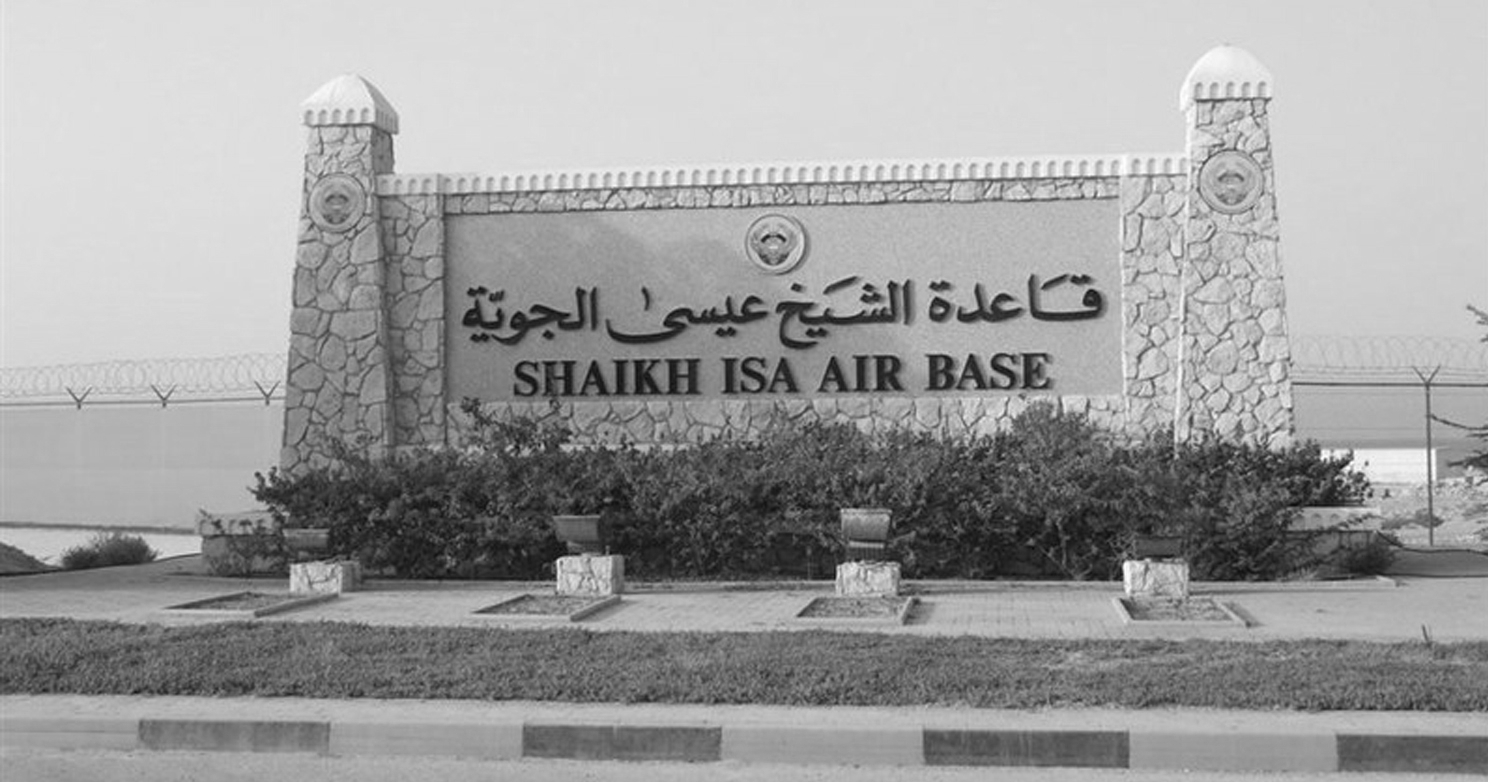
Over the past five days, Iran's Islamic Revolutionary Guard Corps (IRGC) has launched multiple drone attacks against Bahrain. On Tuesday, several drones were directed towards the Isa Air Base in southern Bahrain, which hosts Royal Bahraini Air Force squadrons and a US-operated military radar installation. The IRGC said the radar was its target and released footage purportedly showing drones being launched towards the Gulf kingdom. It described the strikes as retaliation for repeated violations of Iranian airspace by US military drones.
The attacks followed two earlier operations. On Friday, the IRGC launched at least two drones at a Bahraini military installation, targeting an early-warning radar in retaliation for a US strike on a telecom tower in southern Iran. US Central Command said both drones were intercepted without injuries or damage. On Sunday, Iran launched at least six more drones at the Alifa helicopter base, again targeting radar systems.
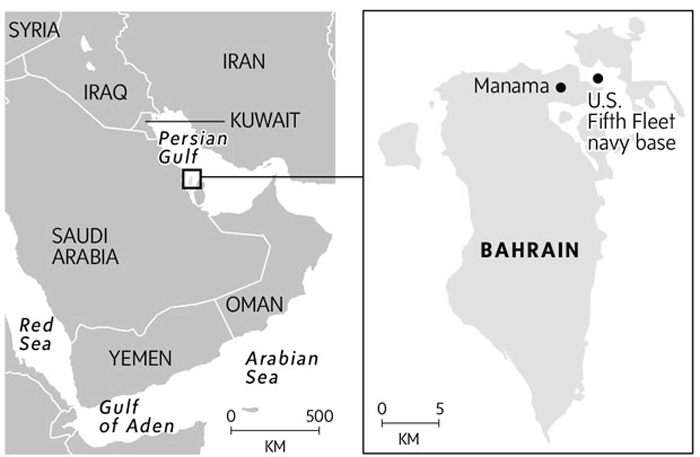
Bahrain's strategic importance makes the attacks significant. The Gulf kingdom reportedly hosts eight permanent US military bases and four smaller outposts, including the US Fifth Fleet headquarters near Manama. Iran argues that Gulf countries hosting American forces facilitate attacks on its territory and therefore considers US-operated military installations legitimate targets. Bahrain has condemned the strikes, saying nothing can justify violations of its sovereignty.
The escalation comes as Washington expands its military presence in West Asia. The arrival of the USS Theodore Roosevelt aircraft carrier strike group brings the number of US aircraft carriers operating around Iran to three. Tehran appears increasingly concerned about the buildup and may be attempting to weaken American surveillance and air-defence capabilities by targeting radars that provide early warnings of aerial threats.
Domestic tensions have added another dimension. On Monday, a Bahraini criminal court sentenced 64 people to life imprisonment in a terrorism case, most of them reportedly Shia Muslim clerics. Bahraini authorities alleged links between the defendants and the IRGC. Iran condemned the verdict, accusing Bahrain's ruling establishment of illegitimacy. The latest attacks followed within hours.
Meanwhile, a CNN report has alleged that Iran is planning to use dirty bombs and chemical weapons against senior Trump administration officials, potentially targeting Washington DC. US intelligence officials reportedly believe radioactive and chemical materials may already have been stored inside the country for decades. However, the alleged plot remains at the planning stage, with no indication of an imminent attack.
A dirty bomb combines conventional explosives with radioactive material. Unlike a nuclear weapon, it does not trigger a nuclear explosion but spreads radioactive substances across the blast area, potentially causing radiation exposure and making locations unsafe.
US President Donald Trump warned that Iran would face unprecedented consequences if it attacked Washington, while reiterating that Tehran must not acquire nuclear weapons. Iran rejected the allegations, accusing American media of trying to manufacture public support for restarting the war. The claims have also revived comparisons with the 2003 Iraq invasion, which was justified partly through allegations of weapons of mass destruction that were never found.
Iran is also publicising its claimed successes against American aircraft. The IRGC says it captured another US MQM-170 drone south of Qeshm Island after taking control of it through electronic warfare and landing it intact. Tehran claims to have captured nine such drones. However, the MQM-170 is primarily an aerial target used in military exercises and weapons testing, not a high-end surveillance aircraft. Iran has also claimed to intercept or destroy MQ-9 Reapers, MQ-1 drones and LUCAS attack drones.
An October US report estimated that 81 American military aircraft had been destroyed or damaged during the conflict, including more than half identified as MQ-9 Reapers. The losses also reportedly included an F-35A fighter jet and an E-3 Sentry surveillance aircraft.
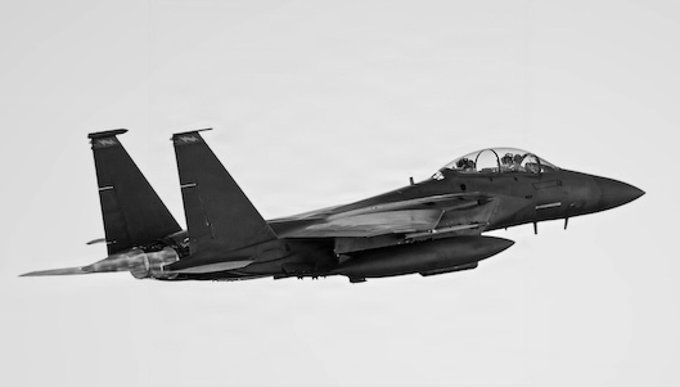
Iran has released previously unseen thermal-camera footage allegedly showing an American F-15E Strike Eagle being shot down on April 3. The US said a shoulder-fired missile brought down the aircraft, reportedly Chinese-made, while Iran claimed its domestically developed air-defence system was responsible. Both crew members were eventually rescued following an extensive search operation.