
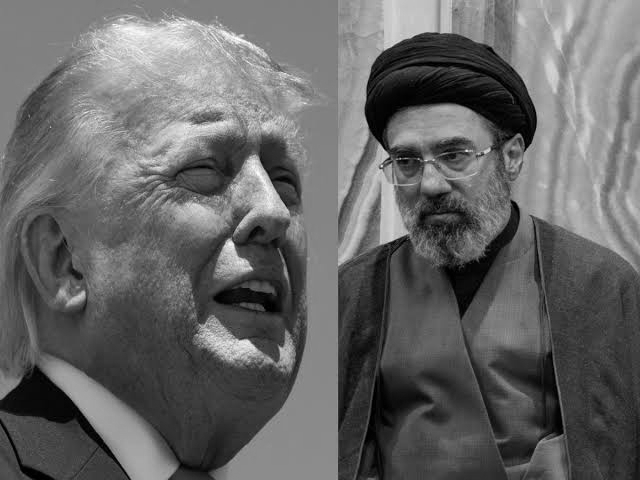
Iran Receives US Response After Trump Calls War ‘One Of The Most Important’ Things He Did
Iran has received the US response to Tehran’s proposal to end the seven-month West Asia war, days after President Donald Trump publicly rejected the plan while saying the conflict would end “very, very soon.” Iranian Foreign Minister Abbas Araghchi presented Washington’s response to President Masoud Pezeshkian during a Cabinet meeting on Wednesday, but Tehran has not disclosed its contents. Qatar has been mediating indirect contacts between Washington and Tehran.
Trump has repeatedly said the US will prevail and that the war will end soon. On Tuesday, he said the Iran war would be remembered as “one of the most important things” his administration had done, while again insisting that Iran would not be allowed to obtain a nuclear weapon. He also said oil prices would fall once the conflict ends.
Trump has also said Iran is “failing very badly” and questioned whether Tehran would “give up yet”, adding that “they’ll give up”. Tehran has rejected the suggestion that it will surrender. Pezeshkian told the UN General Assembly that Iran would not submit to US pressure, while Iranian parliamentary security committee chief Ebrahim Azizi said the US would ultimately leave the region and that Iran and its neighbours would remain.
Iran has continued threatening or targeting vessels attempting to cross Hormuz, while the US has maintained military pressure and expanded sanctions. Washington recently sanctioned individuals and entities accused of supporting Iran’s military supply chain, while earlier measures targeted Iranian airlines and foreign intermediaries accused of helping Tehran move weapons, personnel and cargo.
US Vice President JD Vance blamed Iranian leaders for the collapse of the earlier understanding, saying they had “screwed up” by resuming attacks on commercial ships. He also said Iranian officials who opposed the move were unable to control hardliners.
The wider regional threat has also grown. Yemen’s Iran-backed Houthis have continued missile and drone attacks, including strikes targeting Saudi Arabia, while Saudi-led forces have intercepted ballistic missiles launched toward areas including Yanbu.