
Iran Rejects Qatar Peace Plan As US Weighs Fresh Strikes
Iran has rejected Qatar's latest ideas to end its war with the United States and Israel, refusing to compromise on its nuclear programme as Washington weighs renewed military action, oil supplies face disruption and Tehran deepens strategic cooperation with Russia.
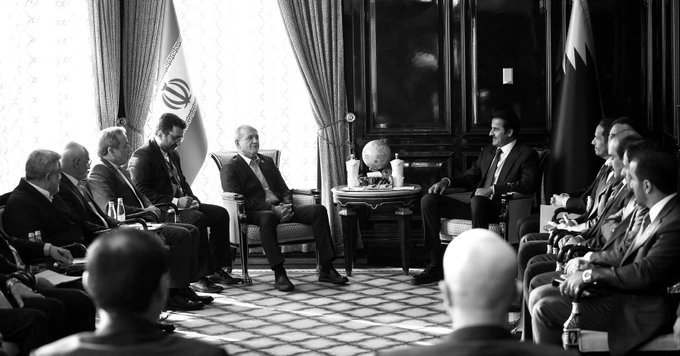
A senior Iranian official said on Wednesday that Qatar had presented “unacceptable ideas” rather than a formal peace offer. This contradicted an account from an official briefed on negotiations, who said a new draft proposal was submitted on Sunday. The plan reportedly outlines seven days of confidence-building measures, with several countries acting as guarantors. Qatar and Pakistan are leading mediation efforts, while Saudi Arabia and Turkey have also joined diplomatic initiatives.
Washington wants Iran's nuclear programme addressed from the outset, potentially including renewed UN inspections of damaged nuclear sites. Tehran insists sanctions relief and an end to the US naval blockade must come first. Iran has proposed reopening the Strait of Hormuz under conditions linked to the negotiations.
US President Donald Trump is considering further strikes. Reported preparations include replenishing munitions, reinforcing air defences, repositioning personnel and preparing additional aircraft and naval forces. A Wall Street Journal report said Gulf countries had been warned about a possible intense campaign after the November 3 US midterm elections. Trump has not confirmed a decision to attack. Iranian security officials have separately told Reuters that Tehran has drawn up plans to target undersea cables in the Gulf if US and Israeli attacks resume.
The conflict is also threatening regional energy security. Brent crude rose above $115 per barrel on Wednesday amid reports of an attack on Saudi Arabia's Ras Tanura refinery by Yemen's Iran-aligned Houthi group. OilPrice reported that at least 50 Iranian oil tankers were stranded near the country's coastline amid the US blockade. Iran is reportedly considering oil at $130 per barrel as a budget-planning scenario for the year beginning in March 2027. Restricted exports could prevent Tehran from benefiting fully from higher prices.
Iranian President Masoud Pezeshkian told Russian President Vladimir Putin on October 27 that Middle Eastern countries could resolve their own problems without Washington. Their wider cooperation adds a strategic dimension to the conflict, but claims of a newly concluded nuclear pact require confirmation.