
Iran Shows US Its Hit-and-Run Won't Fly: Iran Retaliates on US Bases, Kuwait Airport After Tanker Strike
The United States fired first. That is the part Washington would rather not lead with. CENTCOM disabled an empty oil tanker heading toward an Iranian port , firing a Hellfire missile into the ship's engine after the crew ignored directions, and then called it self-defence with a straight face. Tehran, predictably, called it a ceasefire violation and then proceeded to demonstrate that two can play the self-defence game, with considerably less precision.
Iran then attempted to strike vessels in the Gulf , the US shot down those drones and followed up with strikes on a military ground control station on Qeshm Island , near the Strait of Hormuz . The IRGC, never short of a warning, announced that "disrupting the security of the Strait of Hormuz will carry a heavy price for the US military." Whether Washington filed that warning under "taken seriously" or "ignored" is not difficult to guess.
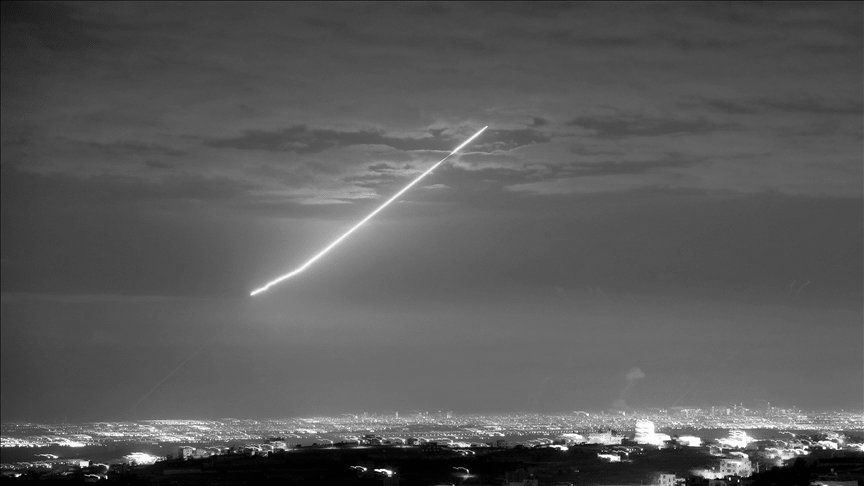
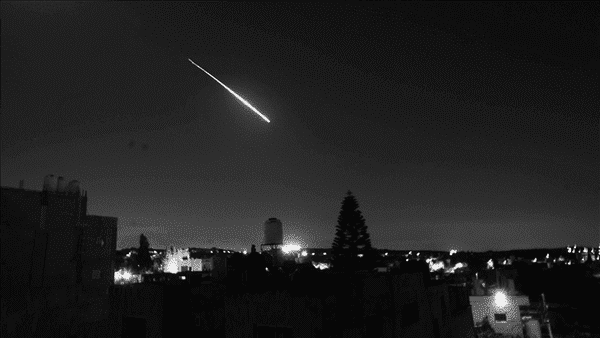
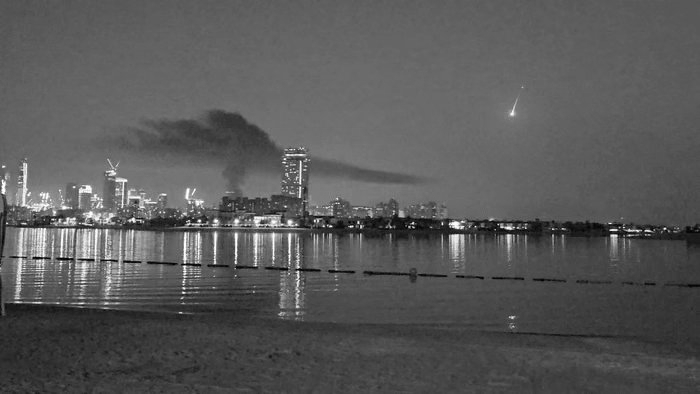
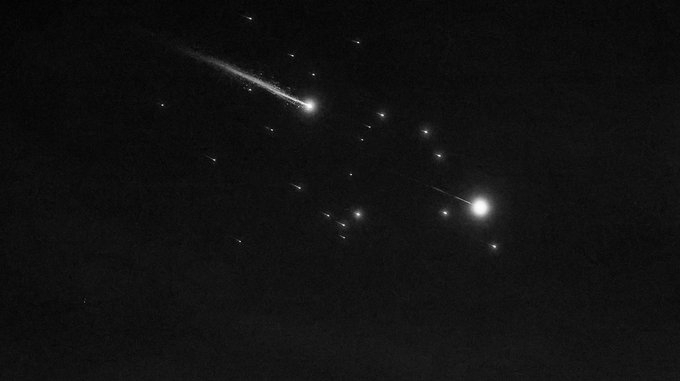
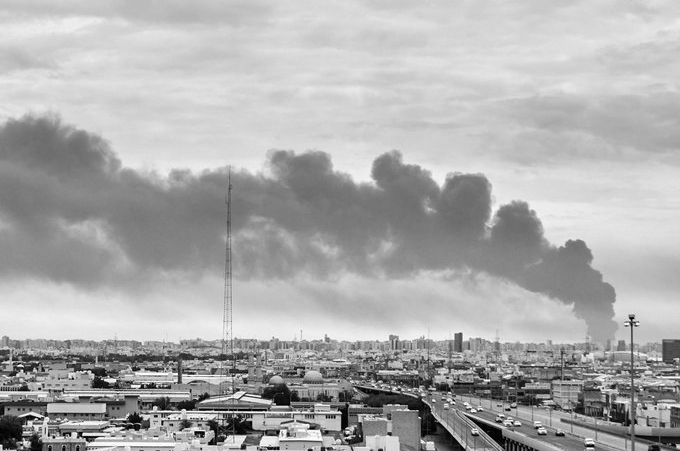
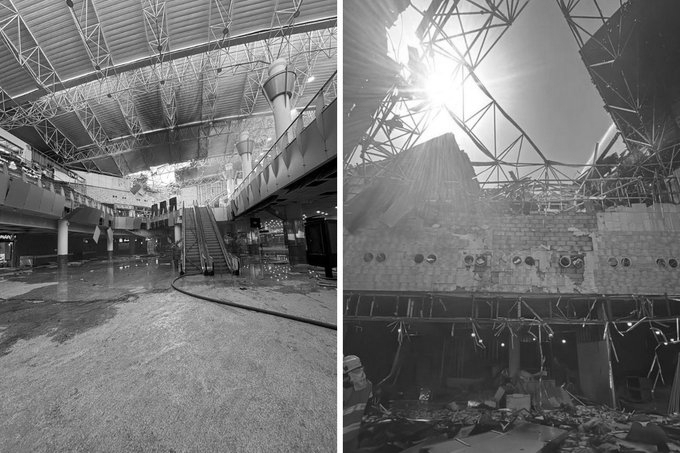
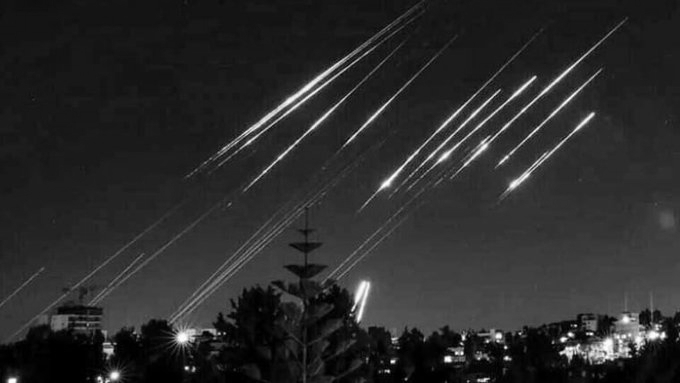
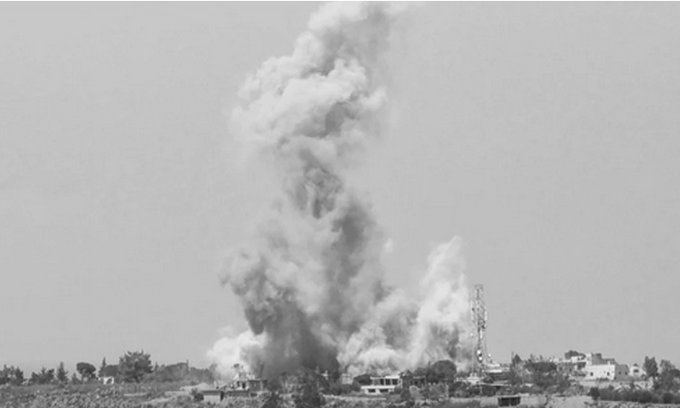
Iran's retaliation then fanned out across the Gulf with the kind of indiscriminate sweep that has become its signature. The IRGC claimed it struck US military bases in Kuwait , describing the operation as "precise and concentrated missile strikes" resulting in "the destruction of targets and the ignition of fires." What it actually ignited, at least in part, was Kuwait International Airport . Iranian drones and missiles hit Terminal 1 , causing structural damage and forcing the suspension of all commercial flights, with arriving aircraft diverted to other airports. 63 people were wounded, head injuries, cerebral hemorrhages, amputations, blast trauma and one person was killed. That person was an Indian national .
The Embassy of India in Kuwait confirmed the death, expressed condolences, and said it was coordinating with Kuwaiti authorities to assist the bereaved family and those injured. The embassy also urged the Indian community in Kuwait to remain vigilant and follow local safety advisories. A civilian worker, almost certainly in Kuwait for reasons entirely unrelated to the geopolitics of the Strait of Hormuz , became a casualty of a war he had no hand in starting.
Iran did not limit its attention to Kuwait. Bahrain's air defences intercepted three missiles and several drones, with the Bahrain Defence Force condemning what it called Iran's "systematic aggression" targeting civilian infrastructure. The IRGC claimed it targeted the US Navy's Fifth Fleet headquarters in Bahrain and described the wave of attacks as only an "initial response," with stronger retaliation potentially to follow. The US said all Iranian strikes on American forces failed. Both sides are, of course, always right according to themselves.
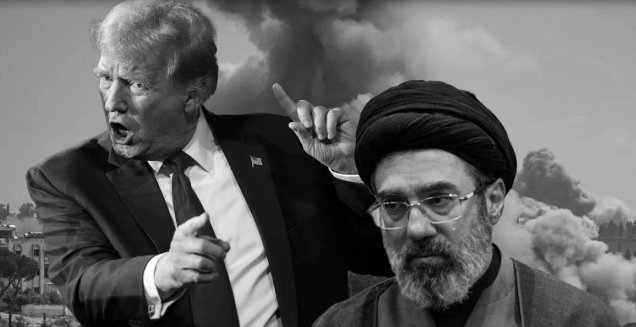
Underpinning all of this is a diplomatic process that is, generously speaking, fictional. Mojtaba Khamenei has not approved a drafted 60-day memorandum of understanding with Washington, which is why Trump has also not agreed to a deal. Negotiators may be exchanging pleasantries but Iranian President Pezeshkian has made clear no major decision will be taken without Khamenei's approval. The man holding the pen has not shown up to sign anything.
Iran also stopped communicating with mediators about extending the ceasefire, with Tehran insisting that fighting in Lebanon must stop before it returns to the table. Trump responded by posting on social media that talks were proceeding at a "rapid pace." Meanwhile, the US Treasury sanctioned four Iranian digital asset exchanges, including Nobitex , which processed over 50% of all Iranian digital asset inflows , framing it as pressure to prevent Iran from acquiring a nuclear weapon.