
Iran Turns Hormuz Into A Weapon As Qasem Missiles Threaten US Warships
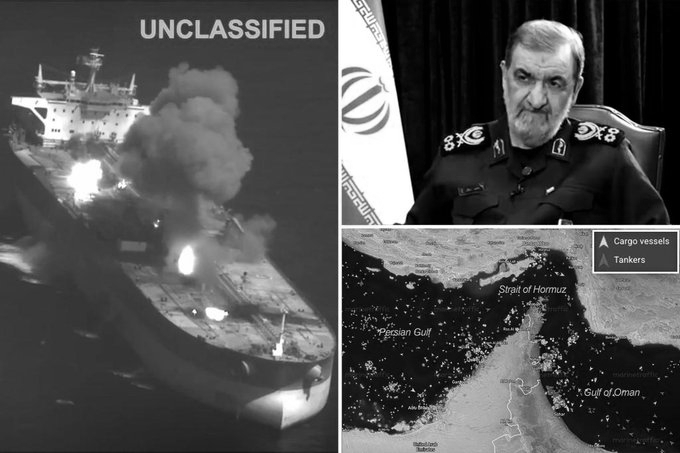
The US and Iran have exchanged a fresh wave of strikes around the Strait of Hormuz, bringing the months-long conflict into an increasingly dangerous maritime phase. On September 5, Iran fired ballistic missiles towards a US aircraft carrier and a destroyer, while the United States struck three Iranian oil tankers in retaliation. On September 6, Tehran then targeted tankers and US-linked vessels.
Iran’s Islamic Revolutionary Guard Corps claimed its missiles targeted an American aircraft carrier and destroyer that were involved in a naval blockade. The US Central Command said the warships successfully evaded the attacks and that no American personnel were injured. Iran has also claimed that its missiles struck US naval targets, but Washington has rejected those claims.
On September 6, Washington responded by striking three Iranian oil tankers. US officials described the attacks as a direct response to Iran’s missile launches, with CENTCOM commander Admiral Brad Cooper warning that further Iranian attacks would bring additional economic consequences.
Iran subsequently warned vessels using what it calls unauthorised routes around Hormuz. The result is a dangerous shift in the conflict: commercial shipping is increasingly becoming part of the military confrontation.
That is the backdrop to Tehran’s latest threat. Iran plans to announce a restricted maritime zone around the Strait of Hormuz, with Mohsen Rezaei saying ships entering the area could be warned to stop and potentially placed on an Iranian sanctions list. The proposed zone would extend from the line of the US blockade towards Hormuz and into parts of the Gulf.
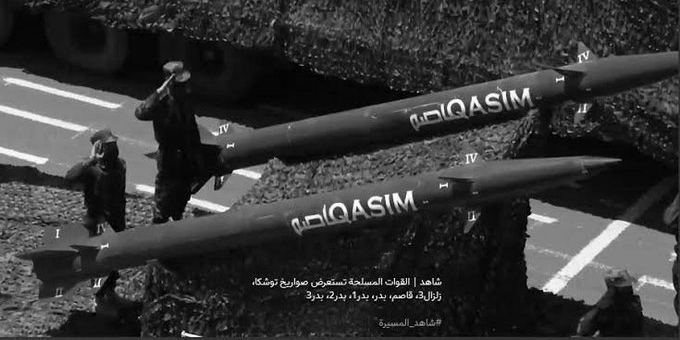
At the centre of Iran’s missile messaging is the Qasem Basir, an advanced ballistic missile unveiled by Tehran in 2025. Iran says the missile has a range of at least 1,200 kilometres and uses terminal guidance technology designed to help it identify and strike targets despite electronic warfare.
Iran’s reported use of the Qasem Basir against US naval assets is significant not only because of the weapon itself, but because of what it represents. The missile is named after Qasem Soleimani, the former commander of the IRGC’s Quds Force who was killed in a US drone strike ordered by Donald Trump in 2020.
The competing claims over whether American warships were actually hit remain unresolved. But the strategic message is clearer: Iran wants Washington to know that its naval forces can be threatened from a considerable distance, while the US wants to demonstrate that it can impose direct economic costs on Tehran.
Iran does not necessarily need to permanently close Hormuz. Making the passage expensive, uncertain and dangerous could be enough to disrupt global energy markets.
The crisis is simultaneously forcing Gulf states to reconsider their dependence on Washington. The UAE is developing alternative export routes and expanding ports and pipelines to reduce its dependence on Hormuz, while Gulf officials increasingly argue that regional countries need stronger independent security capabilities.
Saudi Arabia is also deepening defence ties with Pakistan, while Oman continues maintaining diplomatic channels with Tehran.
The Gulf is not necessarily abandoning America. But the calculation is changing: Washington may provide the military umbrella, yet geography leaves Gulf states living next door to Iran.
That may ultimately be Tehran’s greatest leverage.
Iran does not need to sink an American carrier or completely shut Hormuz to change the strategic equation. It only needs to make America’s partners believe they need a Plan B.