
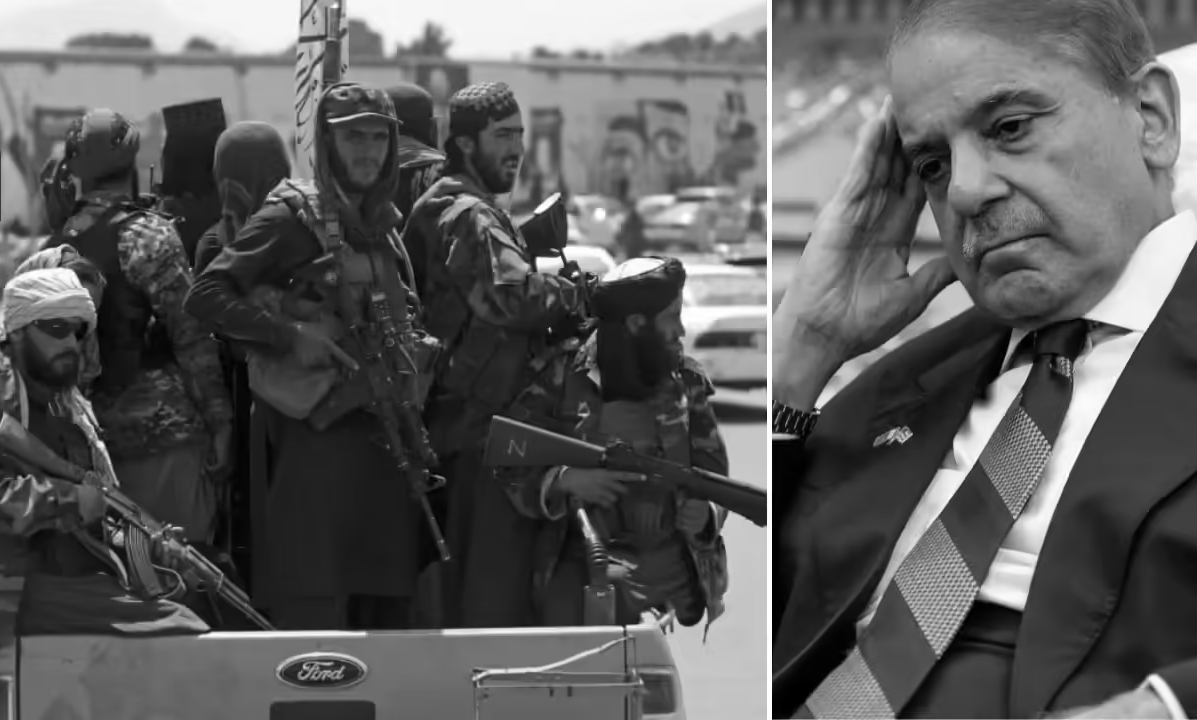
Islamabad defends cross-border strikes as Kabul denies militant safe havens
Pakistan’s military offensive, Operation Ghazab lil Haq , has entered its fifth day, marking one of the most serious escalations in recent years between Islamabad and the Afghan Taliban government . The operation was launched after what Pakistan describes as repeated failures by Kabul to act against the Tehreek-e-Taliban Pakistan (TTP) , accused of carrying out attacks from Afghan territory.
Foreign Minister Ishaq Dar said Pakistan had exhausted diplomatic channels, including humanitarian assistance and refugee support, before initiating action. He maintained that Islamabad’s only demand was credible action against militants targeting Pakistani soil. According to Pakistani officials, the campaign is intelligence-led air and ground strikes aimed at militant infrastructure while avoiding civilian harm.
However, the humanitarian toll is rising. The United Nations Assistance Mission in Afghanistan reported at least 42 civilian deaths and over 100 injuries , with thousands displaced in eastern Afghanistan. Aid agencies have urged both sides to respect international humanitarian law and allow relief access.
Both countries claim heavy losses inflicted on the other, though independent verification remains limited. Afghan authorities deny harbouring militants and have called for dialogue, while Pakistan insists it is acting in self-defence under international law . President Asif Ali Zardari defended the campaign, stating Pakistan will make no compromise on national sovereignty .
International actors, including regional powers, have called for restraint and mediation. With neither side signalling de-escalation, analysts warn that continued hostilities could deepen instability and worsen an already fragile humanitarian situation along the border.