
ISRO and Private Firms to Work Side by Side: The Big Change Coming to India’s Space Sector
India is moving towards a space model in which ISRO and private industry work alongside each other, rather than one replacing the other. But as more mature technologies move into industrial production, questions are growing over how much manufacturing capability and manpower will remain within the national space agency.
The government has made clear that private participation is part of its post-2020 space reforms. In a parliamentary reply in August, it said 118 technology-transfer agreements covering 83 ISRO and Department of Space technologies had been signed with Indian industry. It also said IN-SPACe was pursuing the planned transfer of PSLV and LVM3 technologies to expand private participation in launch-vehicle manufacturing and operations.
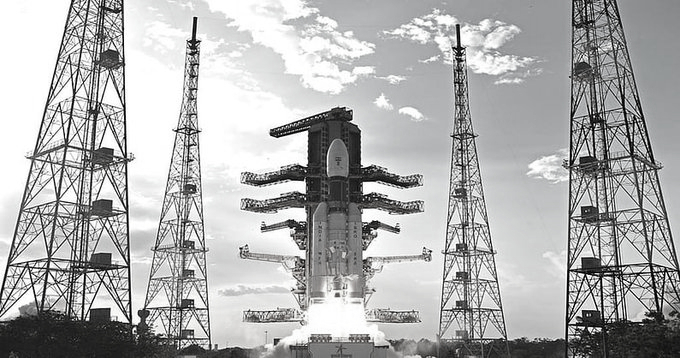
The transition is already visible. NSIL, ISRO’s commercial arm, has initiated production of five PSLV-XL rockets through the HAL-L&T consortium, with technical support from ISRO. SSLV technology has also been transferred to HAL, while LVM3 is moving towards greater industry participation.
At the same time, ISRO is not being dismantled. The agency has said it will remain responsible for advanced research and technology development, national and strategic missions, space science, exploration and critical frontier capabilities. It has stressed that transferring a mature technology to industry does not mean ISRO is withdrawing from that field.
The emerging model therefore looks less like privatisation and more like a division of roles: ISRO develops the next generation of technologies and undertakes complex national missions, while industry increasingly manufactures and commercialises mature systems.
Private companies are also developing their own capabilities. Skyroot, for instance, represents a different model from PSLV production, building its own launch vehicle rather than manufacturing an ISRO rocket.
The government's push is backed by substantial financial support, including a ₹500-crore Technology Adoption Fund and a ₹1,000-crore venture capital fund for the space sector. Private participation has also expanded sharply, with hundreds of space startups now operating in India.
Yet the biggest unanswered question remains where ISRO's manufacturing boundary will ultimately lie. The government has not publicly provided a detailed function-by-function roadmap showing which production, integration, testing and operational capabilities will permanently remain with ISRO.
That uncertainty is at the heart of concerns raised by employee associations, particularly as India seeks to expand private industry while retaining the specialised talent and strategic capabilities that built the country's space programme.